
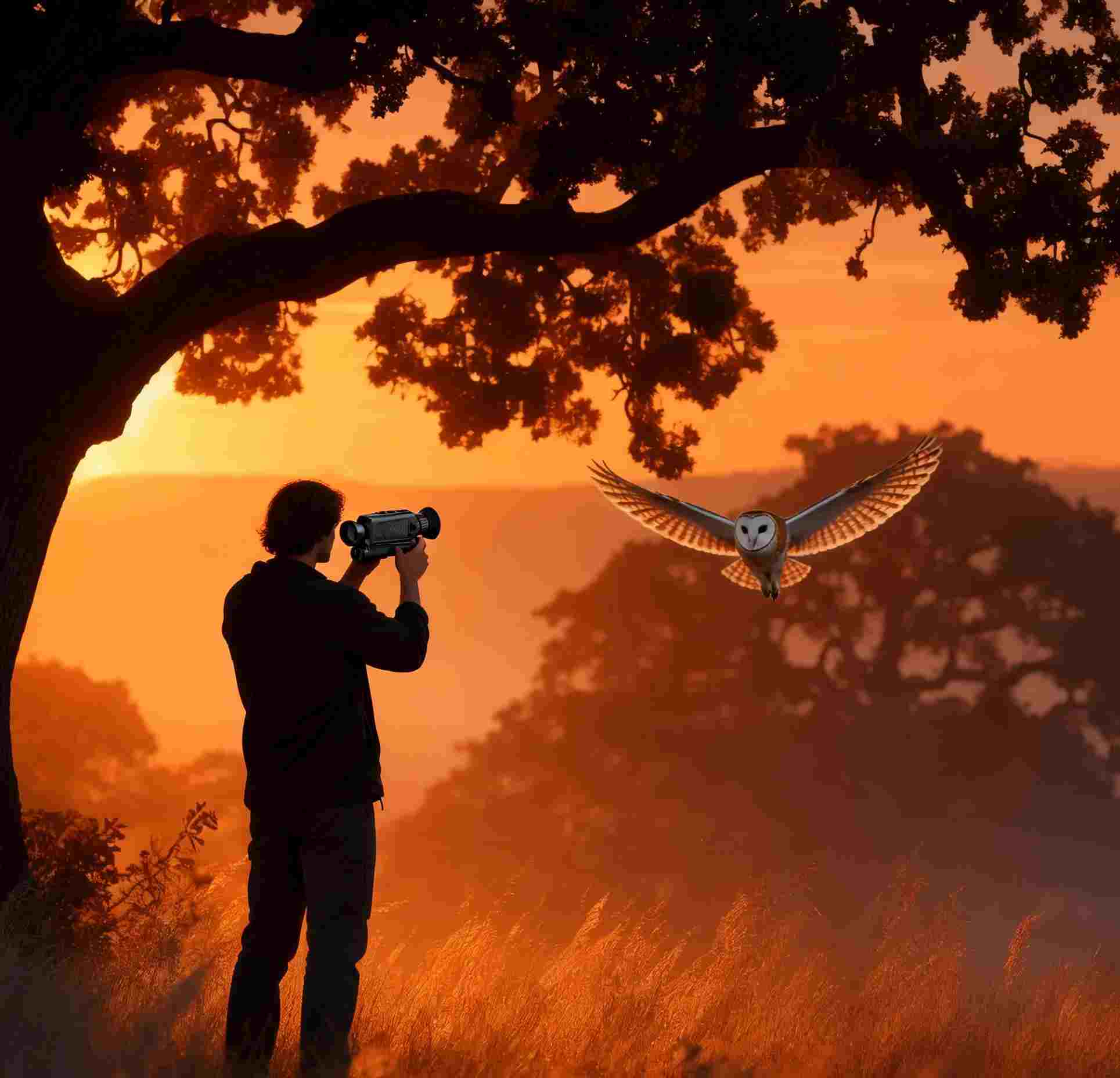
If you want to watch wildlife in the UK, try the Verytek MV Series Infrared Thermal Monocular. This device is better than other popular models. Some examples are Pulsar Axion XQ35 Pro and HikMicro Condor LRF. It has advanced features and is easy to use. Thermal imaging helps you see animals in low light. It also works in fog or rain, which often happens in British weather. Pick the right thermal monocular for your needs and budget. It is important to compare models and features before you buy.
Key Takeaways
Thermal monoculars, such as the Verytek MV Series, work well in low light. They also perform in bad weather. This makes them great for watching wildlife in the UK.
These devices let you watch animals without bothering them. You can see wildlife and not change how they act.
When picking a thermal monocular, look at things like how far it can see. Check how long the battery lasts. Make sure it is tough enough for your needs.
Always obey local laws when using thermal imaging. Follow rules to keep wildlife safe and protected.
Use tips for setting up and adjusting your device. This will help you see animals better and enjoy your experience more.
Why Choose Thermal Imaging for Wildlife Observation
Benefits Over Traditional Optics
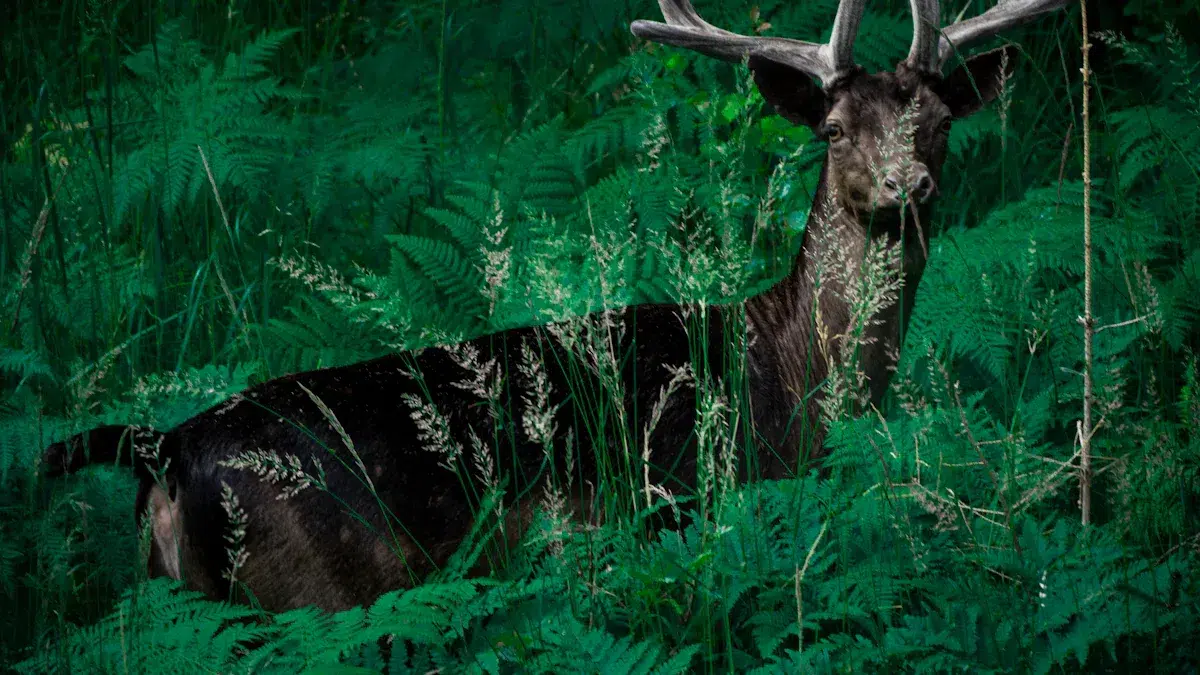
Thermal imaging helps you see animals in the UK. You can find them at dusk or night. Many animals are active when it is dark. Normal optics do not work well in low light. They also struggle in fog or cloudy weather. Thermal monoculars work better in these conditions. You get a clear view even when it is rainy. You can spot birds and mammals by their body heat. This makes it easier to tell different species apart in thick bushes. Thermal imaging lets you see through things that block normal cameras.
Tip: Use a thermal monocular to find shy animals in thick plants. You will see movement and heat that normal optics cannot show.
Non-Intrusive Observation
You can watch wildlife without bothering them with thermal cameras. These devices do not make light or noise. Animals do not know you are there. You can use the camera from far away. This stops you from stressing animals that are sensitive. Thermal imaging is great for watching animals at night. You can learn about their habits without getting in the way.
Thermal imaging works in low light, unlike normal optics.
You can see through thick plants that block normal views.
This technology helps you learn about animals at night without disturbing them.
Thermal cameras let you watch animals without getting too close.
You can spot hidden or camouflaged animals more easily.
Watching wildlife is kinder and easier with thermal imaging. You give animals space and do not change what they do. Many experts, like those at the British Ecological Society, say it is best to use gentle ways to study wildlife. You can collect good information and still be careful and respectful.
Best Thermal Monoculars for Wildlife

Picking the best thermal monocular in the UK depends on your needs. Think about your experience, how much you want to spend, and where you will use it. You need a device that works well in British weather. It should be easy to use and follow local rules. Below is a comparison of top models. There are choices for beginners, experts, and people who want good value.
Top Picks for Beginners
If you are just starting, you want a simple device. Beginner models are easy to use and start up quickly. The table below shows two popular beginner models in the UK:
Feature | AGM Global Vision Thermal Monocular | |
|---|---|---|
Thermal Detection Range | Close to mid-range | Crisp imaging in challenging conditions |
Display Type | AMOLED | Not specified |
Start-up Time | 2 seconds | Not specified |
NETD Sensor | Sub-20mK | 35 mK |
Ideal Users | Beginners, farmers, outdoor users | Hunters, outdoor enthusiasts |
Image Processing | AI-powered Image Pro 3.0 | Not specified |
You can use these devices with one hand. They are light and easy to carry. The HIKMicro Lynx 3.0 LE10 starts up fast and has smart image features. People like how it works in fog, which is common in the UK. The AGM Global Vision model gives clear images. It is good for people who want to spot animals in different places.
Note: The British Trust for Ornithology says beginner-friendly thermal imagers are best for new users. They help you avoid scaring animals and make it easier to tell them apart.
Advanced Models
People with more experience often want extra features. These include better sensors, longer range, and strong build. The Verytek MV Series Infrared Thermal Monocular is a top choice here. It is made for wildlife watching. You get a laser rangefinder, Wi-Fi, and a comfortable grip. The battery lasts a long time, so you do not worry about it running out. It is easy to use and follows the law, so anyone can use it.
Feature | Advanced Models | |
|---|---|---|
Sensor Resolution | 160×120 | 640×480 |
Thermal Sensitivity | Higher values | Lower values |
Magnification | Low | High |
Detection Range | Few hundred metres | Over two kilometres |
Display Technology | LCOS | OLED |
Durability | Basic | Robust, IP66/IP67 |
Additional Features | Limited | Wi-Fi, recording |
The Verytek MV Series is light and not too expensive for what it offers. You can use it to spot animals in woods or mist. The laser rangefinder helps you measure up to 1000 metres. This is important for watching animals from far away. Experts from the Mammal Society say it is good to watch animals without bothering them. The MV Series is quiet and does not shine any light.
People on BirdForum UK say the MV Series works well in rain and cold. The lens does not fog up because of its special camera. The Wi-Fi lets you share pictures and videos right away. This is helpful for research or keeping records.
Budget Options
Some people want a thermal monocular that is not too expensive. Budget models give you the basics for wildlife watching. They are good for people who want to try thermal imaging before buying a top model.
HIKMicro Pocket Series: Small, cheap, and good for short distances.
Guide Sensmart TrackIR: Simple thermal cameras for beginners.
Pulsar Axion XM30F: Works well and costs less than some others.
Budget thermal imagers usually cost between £400 and £900. These models help you see animals at night or in thick plants. The Guide Sensmart TrackIR is liked for being easy to use and light to carry.
Tip: Always check the law and follow the rules before using any camera for wildlife. The Royal Society for the Protection of Birds says to respect privacy and not disturb animals’ homes.
When you look at different models, think about what matters most to you. This could be how far you can see, battery life, how easy it is to use, and how tough it is. The Verytek MV Series is a good mix of all these things. It is a top pick for both new and experienced wildlife watchers in the UK.
Key Features of a Thermal Monocular
When you pick a thermal monocular for wildlife watching in the UK, it is important to know what each feature does. The right features help you see animals at night, follow their movement, and get clear pictures even when the weather is bad. The Verytek MV Series is special because it uses smart technology and is easy to use. This makes it a good choice for both new users and experts.
Detection Range
Detection range tells you how far you can see animals with thermal imaging. If you have a longer range, you can watch wildlife from far away. This is good for animals that get scared easily. The Verytek MV Series has a laser rangefinder that can measure up to 1000 metres. This lets you spot animals without getting close. Many wildlife experts, like the Mammal Society, say it is best to use devices with a long range so you do not bother animals. You can look for deer in fields or foxes in woods without worry.
Sensor Resolution
Sensor resolution changes how clear the pictures look in your thermal camera. If the resolution is higher, you see more details. This helps you know what animal you are looking at, even in thick bushes or at night. The table below shows how different resolutions change the picture quality:
Sensor Resolution | Impact on Image Clarity |
|---|---|
256 × 192 | Basic detail |
384 × 288 | Sharper images |
640 × 512 | Best detail at distance |
You should also think about NETD values. If the NETD is lower, like sub-25mK, you get clearer pictures and better sensitivity, even in fog or rain. The Verytek MV Series uses good sensors to give you sharp thermal images, even when the weather is not nice. Wildlife Trusts say high-resolution thermal imagers are best for research and watching animals, as they help you tell species apart.
Field of View
Field of view means how much of the area you can see at one time. A wide field of view makes it easier to find moving animals, like badgers or rabbits. You can follow animals across open land or through thick woods. The lens size and focal length change this feature. The Verytek MV Series gives you a balanced field of view, so you can look at things close up or far away. If the refresh rate is high, you can follow fast animals without missing them.
Tip: Use a wide field of view to follow groups of animals or spot birds flying. This helps you see more and gives you a better chance to find rare animals.
Battery Life
Battery life is important if you want to watch wildlife for a long time. You do not want your thermal camera to stop working in the middle of watching. The Verytek MV Series has a battery that lasts a long time, so you can stay outside longer. The table below shows how long some popular models last:
Monocular Model | Battery Life |
|---|---|
Pulsar Wildlife Alaris XG30 | Up to 7 hours |
Pixfra Mile 2 Thermal Imaging Monocular | Up to 9.5 hours |
The MV Series lasts as long or longer than these, so you can trust it for night surveys or early morning trips. People on BirdForum UK like the MV Series because the battery lasts a long time, which is good for using it far from home.
Durability
Durability means your thermal monocular can handle wet, cold, or rough British weather. You need a device that does not break in rain, mud, or when it gets cold or hot. The Verytek MV Series is strong and keeps working from -25°C to +40°C, so you can use it all year. The IP67 rating means it can handle heavy rain and drops. Wildlife workers like these features because they stop the device from breaking during work.
The MV Series is easy to hold, even when it is wet.
Its case keeps it safe from bumps and water.
You can trust it in the changing British weather.
Ergonomics
Ergonomics is about how comfortable and simple the monocular is to use. You want a light and small device for long walks and quick looks. The Verytek MV Series is made to fit in your hand and is easy to use with one hand. The buttons are easy to reach, and the menu is simple, even when it is dark. Wildlife watchers in the UK, like Stefan Orman and Henrik, like pocket-size thermal cameras because they are easy to carry.
You can use it with one hand, so you react fast.
The controls are easy to use, so you do not get confused.
The MV Series fits in your pocket or bag.
Note: The MV Series also has Wi-Fi, so you can share pictures and videos right away. This helps with research, keeping records, and working with other wildlife fans.
When you choose a thermal monocular, think about which features are most useful for you. The Verytek MV Series mixes smart thermal imaging, long battery life, strong build, and easy design. These things make it a good tool for watching wildlife in the UK.
Wildlife Observation Tips
Setup and Calibration
Get your thermal camera ready before you go outside. This helps you see animals better. Here are some easy steps for setup and calibration:
Look at the animal you want to watch. Change the base magnification to make details clearer.
Use higher magnification or picture-in-picture mode for more accuracy. Animals move fast, so be ready to adjust focus again.
Change the device settings by turning off the smoothing filter. Check for a wave icon in the status bar to see if it is on. This makes images sharper and heat easier to spot.
Experts from the British Ecological Society say you should calibrate your camera often. This helps you track animals correctly. Good setup lets you collect data that is useful for research.
Maximising Detection
You can spot animals better by using smart techniques. The table below shows ways to improve your experience with thermal imaging and thermal cameras:
Technique | Benefit |
|---|---|
Aerial View | Count groups of animals from above. This makes counting more accurate. |
Thermal Imaging | Find warm-blooded animals even if they hide. You can see them in thick plants. |
Terrain Accessibility | Reach hard places without much effort. This keeps researchers safe. |
Real-time Data Transmission | See animal behaviour and numbers right away. This helps you make quick choices. |
Reduced Disturbance | Watch animals from far away. This means less stress for them and better results. |
Precision | High-resolution data helps you know each animal and follow their movements. |
Wildlife Trusts and people on BirdForum UK say these methods help you do better in wildlife watching and monitoring.
Field Safety and Etiquette
Keep yourself and animals safe by following simple rules:
Watch animals from far away. This stops you from disturbing them.
Use thermal imaging when it is dark or the weather is bad. This helps you avoid bothering animals.
Collect information quietly. This keeps animals calm.
Use heat signatures to track animals. You do not need to go into their homes.
The Royal Society for the Protection of Birds says do not go near nests or dens. Always follow local rules and think about animal welfare when you watch or study wildlife.
Tip: Share what you learn with local conservation groups. Your data helps protect wildlife.
Guide to Choosing for UK Wildlife
Matching to British Habitats
You need a thermal monocular that fits where you go. British animals live in woods, fields, wetlands, and by the sea. Each place has its own problems. In thick woods, a wide field of view helps you see animals moving in bushes. In open fields, you need a long detection range to spot deer or foxes far away. Wetlands and riverbanks often have mist or fog, so you need a camera that works well when you cannot see clearly.
Tip: Pick models that groups like the Mammal Society or Birdwatching Magazine suggest. Mike Weedon, who reviews cameras, says the Falcon thermal monocular is “the best for wildlife observation” in British weather.
Weather and Terrain Considerations
British weather can change fast. Rain, fog, and cold can make things hard. You want a thermal monocular that works well in any weather. The Vista series and HIKMICRO’s Falcon give clear pictures in fog, smog, and rain. These cameras can see through branches and thick plants, so they are good for birdwatching and wildlife surveys. Choose a model that is strong and waterproof for rough places.
Great picture quality in bad weather
Works well when the weather is tough
Can see through things in the way
Wildlife Trusts say you should check how tough the camera is before you buy it. A strong case and waterproof design keep your camera safe when you are outside.
Balancing Features and Budget
You need to think about what features you want and how much you can spend. Make a list of the most important things for watching wildlife. Compare different models using tables or online reviews from places like BirdForum UK. Look for reviews from real users so you get honest advice. Your buying guide should include detection range, battery life, sensor resolution, and extras like Wi-Fi or a laser rangefinder.
Feature | Entry-Level | Advanced | Premium |
|---|---|---|---|
Detection Range | 300m | 1000m | 1800m |
Battery Life | 5 hours | 8 hours | 10 hours |
Durability | Basic | IP66 | IP67 |
Price Range | £400-£900 | £900-£1800 | £1800+ |
Read reviews from people who have used the cameras and ask conservation groups for help. You will make a better choice if you compare models and listen to real users.
Note: Always use thermal imaging the right way and follow local rules. This keeps wildlife safe and protects their homes.
UK Legal and Ethical Guide
Key Regulations
You need to follow the law when using a thermal monocular in the UK. These rules help keep animals safe and support conservation. Here are three main rules you should remember:
You can use thermal spotters for wildlife watching anywhere in Britain. This is legal and lets you see animals without breaking any rules.
If you use thermal riflescopes for pest control, only target animals like foxes, rabbits, rats, and grey squirrels. Always check local rules before you do anything.
There are strict rules for deer hunting. In England and Wales, you can shoot some deer at night if you have special permission. In Scotland, you cannot shoot deer at night at all. Check the Wildlife & Countryside Act and ask your local Firearms Licensing office for more information.
Note: The British Ecological Society and the Mammal Society say you should always check for new wildlife laws before you go out. Rules can change, so staying up to date helps you avoid problems.
Responsible Use
You help protect wildlife when you use a thermal monocular the right way. Always be kind and careful. Do not bother animals or damage their homes. Stay far enough away and never chase or trap animals. Share what you see with local groups to help protect wildlife.
Use your device quietly and do not shine lights or make loud noises.
Do not go into private land or restricted areas without asking first.
Tell the authorities if you see anyone breaking the law.
Tip: Many people on BirdForum UK say being responsible helps you see more animals and supports nature.
You keep nature safe when you follow the rules and act kindly. Watching wildlife in the right way is good for both animals and people.
Thermal monoculars let you watch wildlife in a new way in the UK. You can see animals when it is dark, foggy, or rainy. Some devices, like the Verytek MV Series, are tough and last a long time. They have features like Wi-Fi and a laser rangefinder.
Feature | Benefit |
|---|---|
Spots small temperature changes | |
Works well in bad weather | |
Additional Features | Lets you record and share videos |
Pick a model that matches what you need and how much you want to spend. Always use your device carefully and follow the law in the UK. Share your stories or questions below to help others enjoy watching wildlife too.
FAQ
What makes thermal imaging technology better than night vision technology for wildlife monitoring?
Thermal imaging technology finds heat from animals. You can see them in darkness or fog. Night vision needs some light to work. Experts at the Mammal Society say thermal imaging is best for spotting animals in tough British weather.
Can I use a thermal monocular for non-invasive observation of nocturnal wildlife?
You can use a thermal monocular to watch animals at night. This device lets you see animals without bothering them. Wildlife fans like thermal monoculars because they do not make light or noise.
Are thermal monoculars suitable for different applications beyond wildlife watching?
Thermal monoculars are useful for many things. You can use them for search and rescue, security, and checking machines. The British Ecological Society says thermal monoculars help both workers and hobbyists in many areas.
How do wildlife enthusiasts rate the Verytek MV Series for non-invasive wildlife monitoring?
Wildlife fans on BirdForum UK like the Verytek MV Series. They say it gives clear pictures and the battery lasts long. Reviews also mention it is comfortable and works well for watching animals in British weather.
Is it legal to use thermal monoculars for wildlife monitoring in the UK?
It is legal to use thermal monoculars for wildlife watching in the UK. The Royal Society for the Protection of Birds says you should follow local rules and respect animal homes.
See Also
Utilising Vanadium Oxide Thermal Cameras for Effective Rescues
Guidelines for Employing Thermal Cameras in Rescue Operations 2025
The Importance of Thermal Imaging Cameras in 2025
Best Wireless CarPlay Adapters for VW Golf Owners in Switzerland
Essential Tips for Using Apple CarPlay Adapters with Jaguars