

If you want the best thermal monocular for hunting, you need a device that fits your style and the game you track. Some hunters want long detection range or top image quality, while others look for a compact or budget-friendly option. Thermal monoculars now help you spot animals in darkness, fog, or thick brush. Hunters like you often care most about resolution, detection range, battery life, and weight. The market keeps growing, with global sales expected to hit $250 million by 2028. Think about what matters most for your hunts before you choose.
Key Takeaways
Pick a thermal monocular that fits how and where you hunt. Think about how far it can see and if it is easy to carry.
Find one with high resolution and clear pictures. Good images make it simple to spot animals in the wild. You can tell different animals apart with clear pictures.
Make sure the battery lasts a long time and the device is strong. A good battery and tough body help your monocular work in all kinds of weather.
Try out the monocular before you buy it. See if it feels good in your hand and if the pictures are clear. This helps you choose the right one for you.
Learn about the hunting laws in your area for thermal monoculars. Knowing the rules helps you hunt the right way and be responsible.
Best Thermal Monoculars for Hunting
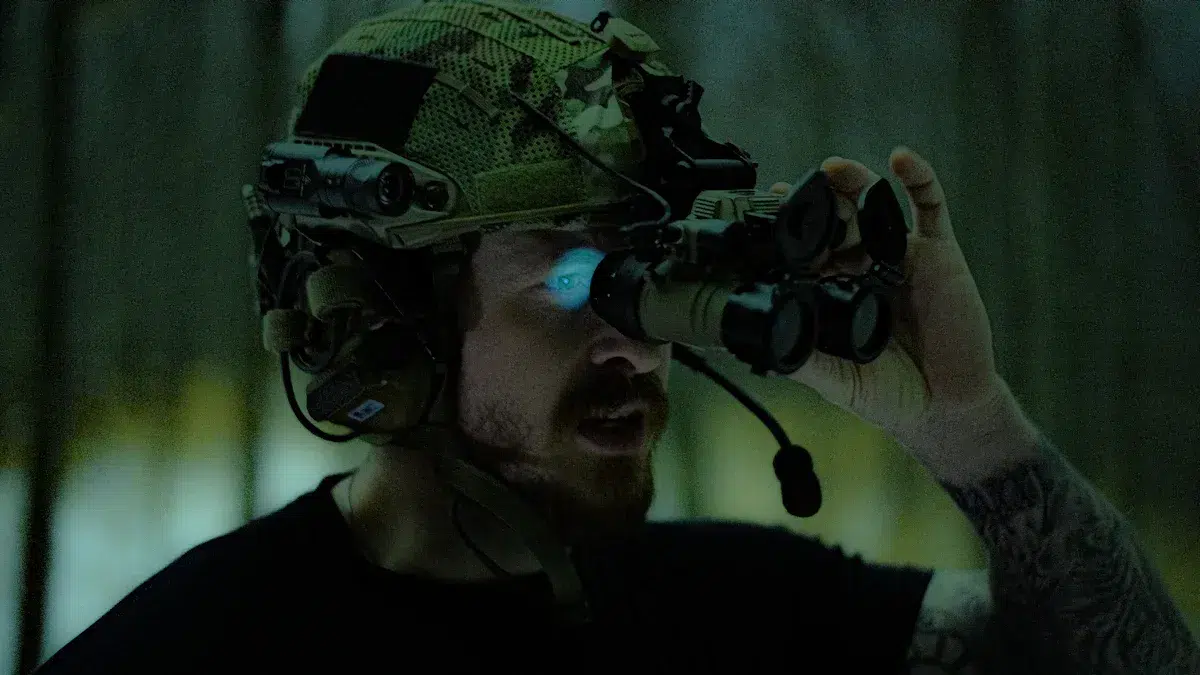
When you look for the best thermal monocular, you want one that fits you. Some hunters need to see far. Others want something light to carry. Let’s check out the top choices and find what works for you.
Best Overall Thermal Monocular
The Pulsar Telos LRF XP50 is a strong pick. It has a sensor with 1024×768 pixels. You can see animals up to 1,800 meters away. You can record your hunts with the video recorder. The tough case works in bad weather. You can use it almost anywhere. Many hunters think it is worth the price for clear images and long battery life.
Tip: The Telos LRF XP50 works well in open fields. It helps you track big animals from far away and record your hunt.
Best Thermal Monocular for Deer Hunting
Deer hunters need to see clear shapes and details. The Pulsar Axion 2 XG35 does this job. Its 384×288 sensor finds heat up to 1,400 yards. You get 8x magnification to spot deer in thick brush or at field edges. It is small and easy to carry. The fast refresh rate keeps moving deer sharp.
Here are the most important things for deer hunting:
Feature | Description |
|---|---|
Sensor resolution & image clarity | Clear pictures help you see deer and their size. |
Lens aperture & optics | Good lenses help you see farther and clearer. |
Field of View (FOV) | Wide FOV helps you scan, narrow FOV helps you spot deer far away. |
Refresh rate & display quality | Fast refresh keeps moving deer easy to follow. |
Battery life & portability | Long battery life and light weight help you hunt longer. |
Stealth & ergonomics | Quiet and easy to hold keeps you hidden and comfy. |
Durability & water resistance | Strong build stands up to rough weather and ground. |
Extra features | Video recording and rangefinders are nice but not needed. |
For deer hunting, pick high resolution, good lenses, and a comfy design.
Best Value Thermal Monocular
You do not need to spend a lot for a good thermal monocular. The AGM Asp-Micro TM160 is a great choice for value. It costs about $495 and works well. You get clear pictures and easy controls. Many hunters start with this model to learn thermal imaging. The FLIR Scout TK is another cheap option, but the AGM model works better for less money.
The AGM Asp-Micro TM160 is cheap and simple.
Models under $500 help you try thermal monoculars.
You can see animals at night and save money.
Best Compact Model
If you want something light, try the Pulsar Axion 2 XG35. You can put it in your pocket or bag. Its small size lets you scan fast and move quickly. It works in fog, dark woods, and other places.
Advantages | Limitations |
|---|---|
Small and flexible design | Battery may run out fast; bring extras. |
Light and easy to carry | Fancy models cost more. |
Quick to use and fast to spot animals | May not have the best image features. |
Works in many conditions | Harder to learn advanced settings. |
You can spot animals fast and handle it easily. If you move a lot or want to stay light, a compact thermal monocular is a smart pick.
Best New Technology: Verytek MV Series
The Verytek MV Series Infrared Thermal Monocular has new features. It has a laser rangefinder that measures up to 1,000 meters. This helps you know how far animals are. The Wi-Fi lets you share pictures and videos right away. The shape feels good in your hand for long hunts. You can use it for night animal watching, home safety, and rescue work.
Hunters want a thermal monocular that works in dark, fog, and bad weather. The MV Series gives clear thermal pictures in tough spots. You can see animals, follow movement, and stay alert. It is small and easy to carry. The cool features help hunters who want high performance and many uses.
Note: The Verytek MV Series is great if you want new technology and a strong tool for hunting, animal watching, or safety.
Here is a quick look at some top models for different hunting needs:
Model | Resolution | Detection Range | Magnification | Battery Life | Pros | Cons |
|---|---|---|---|---|---|---|
Pulsar Axion 2 XG35 | 384×288 | Up to 1,400 yards | 8x | N/A | Tough, records video, long battery life | Costs more than basic models |
Burris Thermal Handheld | 206×156 | Up to 700 yards | 2x – 8x | Up to 5 hours | Great range, easy to hold, records video | Lower refresh rate (30 Hz) |
Pulsar Telos LRF XP50 | 1024×768 | Up to 1,800 meters | 2.5-10x | 8.5 hours | Records video, clear display, tough | Expensive |
ATN BlazeTrek 325 | 800×600 | Up to 1,000 meters | 2-16x | 8 hours | Small, advanced sensor, takes video/photos | Less memory (16GB) |
You can pick a thermal monocular that fits your hunting style. If you want to see far, stay light, or try new tech, there is a device for you.
In-Depth Reviews and Field Results
Who Each Monocular Is For
You might wonder which thermal monocular fits your hunting style. If you want the best overall performance, you should look at high-end models like the Nocpix Vista H50R. This device helps you see animal details at night, even from a quarter mile away. If you are just starting out, entry-level options like the GTGuard N1 Series give you solid results without breaking the bank. Hunters who want new technology and extra features often choose the Verytek MV Series. It works well for night hunts, wildlife watching, and even rescue work.
Key Specs and Features
Here’s a quick look at what matters most in a thermal imaging device:
Specification | Low-End Range | High-End Range | Impact on Your Hunt |
|---|---|---|---|
Sensor Resolution | 384×288 pixels | 640×480 pixels (or higher) | Clearer images help you spot and identify animals at a distance. |
NETD | >40 mK | <25 mK | Lower NETD means sharper images in fog or rain. |
Refresh Rate | 30Hz | 50Hz / 60Hz | Higher rates give you smooth tracking of moving game. |
Field of View (FOV) | Narrow (e.g., 8°) | Wide (e.g., 12.5°) | Wide FOV is great for scanning woods; narrow FOV is best for open fields. |
You want a thermal monocular for hunting that matches your needs. High resolution and fast refresh rates make a big difference in the field.
Strengths and Limitations
Thermal imaging has some clear strengths:
You can spot animals in total darkness.
It works through fog, smoke, and light brush.
You get early detection at long distances.
It is safe for your eyes and does not spook wildlife.
But there are some things to keep in mind:
You cannot see through glass.
Image detail is lower than with optical scopes.
High-end models cost more.
Some units feel heavier than regular binoculars.
Hunters often say, “Clear enough to distinguish deer from coyotes at 500 yards.” Many also like how easy these devices are to use, even for beginners.
Field Performance
You want to know how these devices work in real hunts. Field tests show big differences. High-end models like the RIX T6 can spot elk at nearly 2,000 yards, even in total darkness or fog. Entry-level units, such as the GTGuard N1 Series, detect game at 800-1,000 meters and last about six hours on a charge. The Verytek MV Series stands out for its laser rangefinder and Wi-Fi sharing, making it a top pick for hunters who want advanced thermal imaging. You can trust these devices to help you find and track animals in tough conditions.
Comparison Table
Picking the right thermal monocular can be hard. You want to know how each one compares before you buy. The table below shows the top models side by side. You can see how far they spot animals, how clear the images are, how heavy they feel, how long the battery lasts, what they cost, and what makes them special.
Model | Detection Range | Image Quality (Sensor) | Weight | Battery Life | Price Range | Unique Features |
|---|---|---|---|---|---|---|
Pulsar Telos LRF XP50 | 1,800 meters | 1024×768 | 1.1 lbs | 8.5 hours | $$$$ | Laser rangefinder, video recording |
Pulsar Axion 2 XG35 | 1,400 yards | 384×288 | 0.6 lbs | 7 hours | $$$ | Compact, fast refresh, video recording |
AGM Asp-Micro TM160 | 250 yards | 160×120 | 0.6 lbs | 10 hours | $ | Budget-friendly, simple controls |
Verytek MV Series | 1,000 meters | Advanced thermal sensor | 0.8 lbs | 8 hours | $$$ | Laser rangefinder, Wi-Fi sharing |
FLIR Scout TK | 100 yards | 160×120 | 0.4 lbs | 5 hours | $ | Super compact, easy to use |
ATN BlazeTrek 325 | 1,000 meters | 800×600 | 1.0 lbs | 8 hours | $$$ | High-res sensor, photo/video |
Tip: Always look at how far you can see and how long the battery lasts. You do not want your device to stop working during a hunt!
Here are some things to remember:
Lighter models are easier to carry all day.
Higher resolution means you see animals more clearly.
Some models let you share pictures or videos with friends.
This table makes it easy to find the best thermal monocular for you. You can pick the one that matches your hunting needs.
Key Features for Hunting
Detection Range
You want to spot animals before they spot you. Detection range tells you how far your thermal monocular can see a heat signature. In most hunting areas, a good thermal imaging device gives you about three to four times the range of regular night vision. This means you can see game at longer distances, even in fog or rain. If you hunt in open fields, pick a model with a long detection range. For thick woods, a shorter range works fine.
Image Quality
Clear images help you tell a deer from a coyote. You should look for high resolution and good target details. The table below shows what affects image quality:
Factor | What It Means |
|---|---|
Resolution | Higher numbers give you sharper, clearer images. |
Target Details | Lets you see animal shapes and features. |
Target Edge | Smooth, sharp edges make animals stand out. |
Noise | Less noise means fewer fuzzy spots on your screen. |
Background Details | Helps you see the area around your target. |
A good refresh rate, like 50 Hz, keeps moving animals smooth and easy to track.
Portability and Ergonomics
You will carry your monocular for hours. Lightweight models feel better in your hand and do not tire you out. Look for a design that fits your grip and lets you use controls with one hand. Some models have a tapered body for comfort, even in wet weather. Easy-to-reach buttons help you adjust focus or zoom without missing a shot.
Battery Life and Durability
Long hunts need long battery life. Some devices last up to 6 hours, and extra batteries can double that time. You want a monocular that works in rain, snow, or heat. Water resistance and tough materials keep your gear safe in the wild.
Price and Value
Thermal monoculars come in many price ranges. You can find solid models under $500, while top-tier options cost over $2,000. Balance what you need with what you can spend. Sometimes, a mid-range device gives you the best value for your money.
Tip: Make a list of your must-have features before you buy. This helps you get the right tool for your hunts.
Thermal vs Night Vision for Hunting
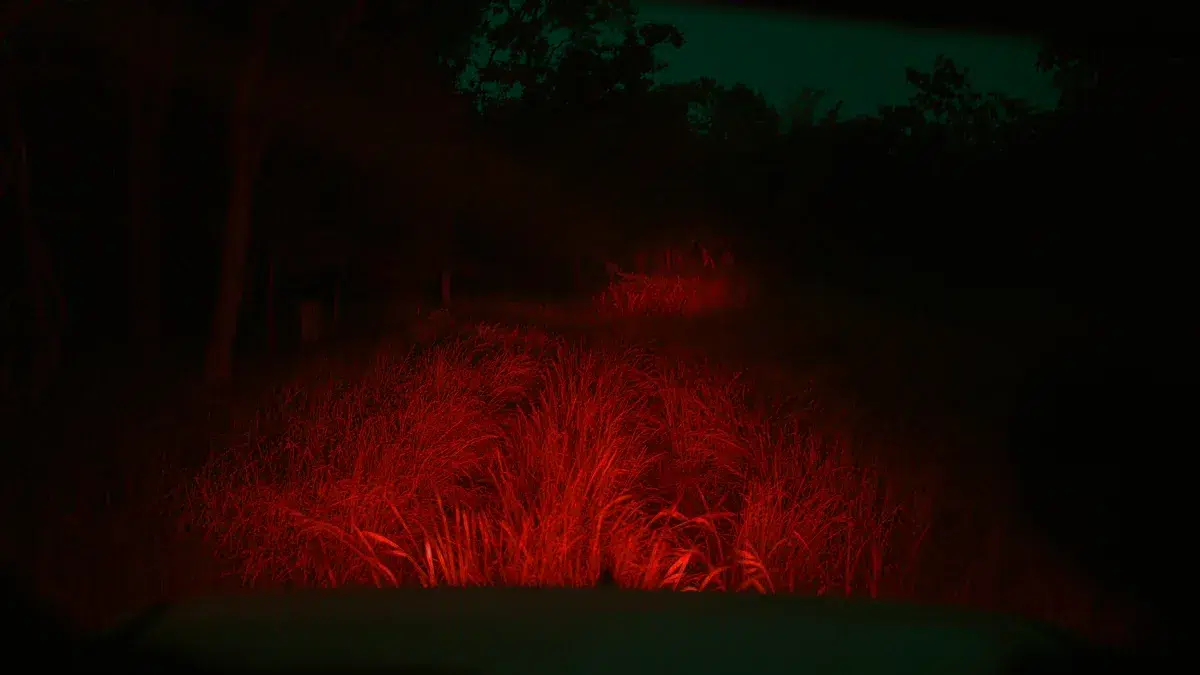
You might wonder if thermal imaging or night vision works better for hunting. Both tools help you see in the dark, but they do different things. If you hunt at night or in thick woods, you need to know which device fits your style.
Thermal imaging lets you spot animals by their heat. You can see deer, coyotes, or hogs even if they hide behind bushes or move in fog. This helps a lot during nighttime deer hunting, especially when animals blend into the background. Thermal monoculars work in total darkness and bad weather. You can use them to find living targets, even if they wear camouflage.
Night vision shows you a more natural picture. You see shapes, details, and even read signs or text. If you want to identify animals or spot antlers, night vision gives you better clarity. It works best when there is some light, like moonlight or starlight. Night vision devices cost less, so you can start hunting without spending a lot.
Here’s a quick look at how they compare:
Feature | Thermal Imaging | Night Vision |
|---|---|---|
Detection Range | 500-2000+ yards depending on target size | 200-800 yards in optimal conditions |
Image Clarity | Less detailed, identifies heat signatures | More realistic, detailed images |
Cost | Generally higher initial investment | More budget-friendly options available |
Advantages of Each Technology:
Thermal Imaging:
Spots animals in complete darkness.
Works in fog, rain, and smoke.
Finds heat, so you can track wounded game.
Night Vision:
Shows clear details and natural images.
Helps you identify animals and read signs.
Costs less and is easier to use for beginners.
If you focus on nighttime deer hunting in thick cover, thermal imaging gives you a big edge. If you want to see details or hunt in open fields, night vision might be your best bet. Think about your hunting style and what matters most before you choose.
Choosing the Right Thermal Monocular
Match to Hunting Style
You want a thermal monocular that fits your hunting style. Start by thinking about where you hunt most. If you spend time in open country, you need a wide field of view and strong magnification. Dense woods call for a device with a broader field of view so you can scan quickly. Match the monocular’s identification range to your usual shooting distance. If most of your shots happen within 200 yards, you don’t need the longest range. Decide which features matter most for you, like onboard recording, battery life, or wireless sharing.
Define your hunting environment—open fields or thick woods.
Match the monocular’s range to your typical shooting distance.
Prioritize must-have features for your hunts.
Features to Evaluate
Before you buy, check the features that make a difference in the field. The table below shows what to look for:
Feature | Description |
|---|---|
Sensor and Display Resolution | Higher resolutions give you clearer thermal images, which help you spot animals far away. |
Detection Range | Tells you how far the monocular can pick up heat signatures—important for spotting game. |
Refresh Rate | A higher refresh rate keeps moving animals smooth and easy to track. |
Magnification and FOV | Balancing magnification and field of view helps you scan and zoom in on targets. |
Durability and Weather Resistance | Tough build and water resistance keep your gear safe outdoors. |
Battery Life | Long battery life means you can hunt longer without stopping. |
Bonus Features | Extras like recording and Wi-Fi make your hunts more fun and useful. |
Tip: Always check battery life and durability before you decide. You want a device that lasts through your longest hunts.
Testing Before Buying
Try out a thermal monocular before you buy if you can. Here’s how you can test it:
Check battery life and see if you can swap batteries in the field.
Hold the monocular with gloves to test comfort and grip.
Look at the sensor quality and make sure it gives clear images.
Test the calibration—automatic correction saves you time.
Make sure it’s weatherproof, like with an IP67 rating.
If you use it with a weapon, check that it keeps zero after recoil.
Review the warranty and ask about repair options.
You want a thermal monocular that feels right in your hand and works well in your hunting spots. Testing helps you find the best fit for your needs.
Real-World Hunting Scenarios
Spotting Game in Dense Cover
You know how tough it can be to spot deer in thick brush or tangled woods. With a thermal monocular for deer hunting at night, you get a real advantage. The device picks up heat signatures, so you can see animals hiding behind leaves or branches. Hunters report a 35% increase in game sightings in dense cover when using thermal monoculars compared to old-school methods. You don’t need moonlight or a flashlight. You just scan the area, and animals pop out on your screen—even if they’re standing still. This tool helps you find deer that would otherwise slip by unnoticed.
Tip: Try scanning slowly from side to side. You’ll notice movement and heat shapes that your eyes might miss.
Tracking Wounded Animals
Sometimes, you make a shot, but the animal runs off. Tracking a wounded deer at night can be stressful. A thermal monocular for deer hunting at night lets you follow the heat trail left behind. The body heat stays visible for up to two hours after the shot. You can spot the trail through grass, brush, or even fog. Hunters say this method is much faster than searching with a flashlight. You recover animals quickly, which means less waste and more ethical hunting. If you hunt in thick vegetation, this tool becomes even more valuable.
See the heat trail hours after the shot.
Recover game faster and reduce waste.
Track through dense cover and bad weather.
Navigating at Night
Walking through the woods after dark feels risky. You might trip over logs or miss a hidden animal. Thermal monoculars help you see obstacles and animals by detecting heat. You get better situational awareness and avoid accidents. This technology also helps you identify targets, so you don’t make mistakes. Hunters use thermal imaging to check terrain and spot hazards before moving. You stay safe and hunt responsibly.
Benefit | How It Helps You |
|---|---|
See in total darkness | Avoid obstacles and spot game |
Identify targets | Hunt ethically and safely |
Scan terrain quickly | Reduce risk of injury |
Note: Using a thermal monocular keeps you alert and safe, especially during nighttime hunts.
Legal and Ethical Considerations
If you use a thermal monocular for hunting, you must know the rules. Laws are different in each place. Some countries let hunters use thermal devices to find animals. Other places have strict rules about them. You do not want to break the law or lose your hunting license.
Here is a simple table showing how regions treat thermal monoculars:
Region | Thermal Detection | Thermal Aiming (Bow) | Primary Applications |
|---|---|---|---|
Spain (Central) | Permitted | Restricted | Wild boar management |
Portugal | Permitted | Permitted for invasive species | Agricultural protection |
France | Permitted | Restricted | Population assessment, recovery |
Germany | Varies by state | Generally restricted | Varies by state regulation |
Eastern Europe | Generally permitted | Varies by country | Agricultural protection |
Scandinavia | Limited permission | Highly restricted | Research, management only |
Always check your local hunting laws before you go out. Some places let you use thermal monoculars to spot animals. But you may not be allowed to aim or shoot with them. Rules can change quickly, so ask your wildlife office if you are unsure.
Ethical hunting is important too. Using a thermal monocular helps you hunt in a better way. Here are some reasons why:
You find animals faster, so you can make sure you know your target.
You lower the chance of hurting animals by mistake, since you see them clearly before shooting.
You bother wildlife less, because you do not need to get close or use bright lights.
You find wounded animals faster, which makes your hunt kinder.
Tip: Use your thermal monocular to stay safe and show respect for animals. Good hunters follow the rules and care about wildlife.
If you follow the law and hunt with care, you help keep hunting safe for everyone. Stay up to date, hunt wisely, and respect nature.
Picking the best thermal monocular for hunting depends on your needs. You should think about how far it can see and how clear the images look. Check if it feels light and if the battery lasts long. Choose a device that fits how and where you hunt. Look at the table and reviews to help you pick.
Keep in mind, the right monocular makes hunting easier and safer. Always follow the rules and be kind to animals. Good luck hunting!
FAQ
How far can a thermal monocular see at night?
Most thermal monoculars let you spot animals from 100 yards up to 1,800 meters. The exact range depends on the model and weather. Always check the specs before you buy.
Can I use a thermal monocular in the rain or fog?
Yes! Thermal monoculars work well in rain, fog, and even smoke. They detect heat, not light, so you can see animals when regular optics fail.
Is it legal to hunt with a thermal monocular?
Rules change by state and country. Some places allow spotting but not aiming with thermal devices. Always check your local hunting laws before you go out.
Do thermal monoculars need batteries?
You need batteries for every thermal monocular. Most models use rechargeable batteries that last 5 to 10 hours. Bring a spare if you plan a long hunt.
See Also
Using Vanadium Oxide Thermal Cameras for Effective Rescue Operations
The Importance of Thermal Imaging Cameras in 2025
Utilizing Thermal Imaging Cameras for Rescue Missions in 2025
Best Wireless Android Auto Adapters Reviewed for 2025
Evaluating RAV4 CarPlay Adapters for Winter Performance in Canada