
From the oil sands of Alberta to the boreal forests of British Columbia and the permafrost of Nunavut, Canadian industry operates across environments that test every sensor technology to its limits. Pipeline operators, wildfire management agencies, mining companies, and Arctic surveillance teams share a common requirement: reliable thermal imaging that performs at –40 °C, delivers uninterrupted video during critical detection windows, and integrates cleanly into UAV and fixed-installation platforms.
The global forest fire prevention surveillance market is estimated at USD 2 billion in 2025 and projected to reach USD 7 billion by 2033 at a CAGR of 15 %, according to industry analysts. North America, led by the United States and Canada, holds the largest regional share of this demand. Alongside fire detection, thermal imaging for pipeline integrity and mining safety represents a multi-billion-dollar procurement opportunity for Canadian OEM integrators, notes MarketsandMarkets.
Thermal Imaging for Oil Pipeline Leak Detection and Inspection
Canada’s pipeline network stretches over 840,000 kilometres — the longest in the world — and faces ongoing regulatory pressure to reduce methane emissions and prevent hydrocarbon releases. Aerial thermal imaging surveys conducted by fixed-wing UAVs or helicopter-mounted sensor pods can identify heat anomalies at pump stations, detect soil temperature disturbances caused by subsurface leaks, and flag hot insulation failures along buried sections invisible to visual inspection. European detector foundry Lynred (formerly Sofradir and ULIS) supplies the VOx infrared detector arrays that underpin many commercial LWIR modules. According to IEEE Xplore, passive infrared thermography is among the most validated non-destructive evaluation methods for detecting subsurface pipeline anomalies and corrosion under insulation (CUI).
Key Performance Specifications for Pipeline Inspection Modules
| Model | Resolution | Pixel Pitch | NETD | Power (USB, 25 °C) | Weight (w/o lens) | Dimensions (w/o lens) |
|---|---|---|---|---|---|---|
| UVR2 (256) | 256 × 192 | 12 μm | ≤ 40 mK | < 0.35 W | < 7 g | 21 × 21 × 10.3 mm |
| UVR3 (384) | 384 × 288 | 12 μm | ≤ 40 mK | < 0.42 W | < 8.6 g | 21 × 21 × 10.3 mm |
| UVR6 (640) | 640 × 512 | 12 μm | ≤ 40 mK | < 0.7 W | — | 21 × 21 × 10.3 mm |
Why Shutterless NUC Matters for Continuous Pipeline Monitoring
A NETD of ≤ 40 mK resolves the subtle soil temperature gradients — often less than 1 °C above background — that characterise early-stage pipeline leaks in winter ground conditions. The UVR series shutterless NUC algorithm eliminates the periodic image blackout that mechanical-shutter cameras introduce every two to three minutes, ensuring no detection gap during a UAV transect over a high-consequence pipeline segment. The operating temperature range of –40 °C to +80 °C covers every climate zone from the Prairies to the subarctic, and the vibration rating of 6.06 g random, all-axis ensures module integrity in helicopter-borne or fixed-wing sensor payloads.
Wildfire Hotspot Detection with Thermal Imaging UAVs
Canada records some of the world’s largest wildfire seasons by area burned. In 2023 alone, over 18 million hectares burned — a record surpassing all previous years. UAV-mounted thermal imaging sensors provide real-time hotspot mapping, enabling incident commanders to allocate retardant drops, route ground crews, and identify flare-up risks before they overwhelm containment lines. FLIR Systems (Teledyne FLIR) has documented drone-based LWIR thermal imaging as the primary tool for night-time fire perimeter mapping and smouldering hotspot detection under dense smoke, where visible-light cameras are completely ineffective.
UVR Operating Envelope for Wildfire Operations
UVR Series Power Consumption (USB Output, 25 °C) — Key for UAV Flight Endurance
Source: Verytek product specification — USB output @25 °C
For long-endurance wildfire patrol UAVs, every watt saved by the sensor payload extends flight time and area coverage. The UVR3’s < 0.42 W consumption and 384 × 288 resolution offer the best trade-off for wide-area hotspot mapping at medium altitude, while the UVR6’s 640 × 512 pixels provide sufficient resolution for detailed fire-front characterisation at higher altitude. Drone operators and OEM platform builders can consult Mordor Intelligence for detailed projections on the drone-based fire management segment through 2030.
Improving Mining Safety with Thermal Imaging Technology
Canada is one of the world’s top mining nations, producing nickel, potash, gold, uranium, and copper from underground and open-pit operations spanning every province and territory. Thermal imaging provides critical safety and productivity benefits across the mining value chain: detecting overheating conveyor bearings before they seize, identifying electrical panel hot spots in underground switchgear rooms, monitoring tailing pond berm temperatures for early deformation warning, and enabling heat-signature-based occupancy detection in vehicle-restricted zones. InfraTec documents how continuous LWIR monitoring of rotating equipment reduces unplanned downtime and improves maintenance scheduling in heavy industrial environments directly comparable to Canadian mining operations.
Deployment Configurations for Mining Environments
- Fixed-mount switchgear surveillance — DVP/BT656 output connects to existing SCADA video networks; –40 °C to +80 °C operating range covers below-grade and surface installations across Canada’s climate zones.
- Autonomous inspection robots — MIPI CSI-2 output integrates with Raspberry Pi CM and NVIDIA Jetson boards used in underground robot platforms operating in GPS-denied environments.
- Drone-based open-pit surveys — at < 8.6 g (UVR3) and < 0.42 W, the UVR module adds minimal weight and power draw to multi-rotor platforms used for tailing dam and slope thermal mapping.
- Handheld inspection tools — USB 2.0 (UVC) output enables direct laptop connection for spot inspection of high-voltage equipment without requiring custom drivers.
Arctic Surveillance: Thermal Imaging in Extreme Cold Environments
Canada’s Arctic and subarctic territories — covering nearly 40 % of the country’s land area — require persistent surveillance solutions for border security, infrastructure protection, and search-and-rescue operations that function reliably at temperatures well below –30 °C. Defence-grade thermal imaging systems deployed by specialists such as L3Harris Technologies and Raytheon | RTX have proven the effectiveness of compact LWIR modules in extreme-cold airborne payloads; commercial Arctic monitoring platforms increasingly apply the same sensor principles at civilian procurement budgets.
Cold-Weather Reliability of the Verytek UVR Series
The Verytek UVR series is rated to operate continuously from –40 °C to +80 °C and to store safely from –50 °C to +85 °C — verified performance parameters that cover the harshest documented ambient temperatures recorded at any Canadian monitoring station. Unlike uncooled LWIR modules that rely on periodic mechanical-shutter NUC to maintain calibration at extreme temperature swings, the UVR shutterless algorithm adapts to thermal drift in software, delivering stable imagery without any mechanical component subject to cold-weather failure.
- Operating range –40 °C to +80 °C — verified for continuous duty across all Canadian climate zones without additional thermal management hardware.
- Storage range –50 °C to +85 °C — survives transportation and unheated storage between deployments in remote northern locations.
- Vibration rating 6.06 g (random, all-axis) — suitable for helicopter-borne payloads and tracked-vehicle mounting in off-road Arctic terrain.
- Shock rating 80 g, 4 ms — handles mechanical shocks of fixed-wing UAV launches and catapult systems used in remote area deployments.
Thermal Imaging Modules for Canada’s Industrial Needs — Request a Quote
Whether you are building pipeline inspection UAVs, equipping wildfire management drone fleets, deploying mining safety monitoring systems, or integrating Arctic surveillance sensor pods, the Verytek UVR series delivers the cold-weather reliability, image continuity, and SWaP performance your Canadian application demands — with dedicated FAE support throughout integration.
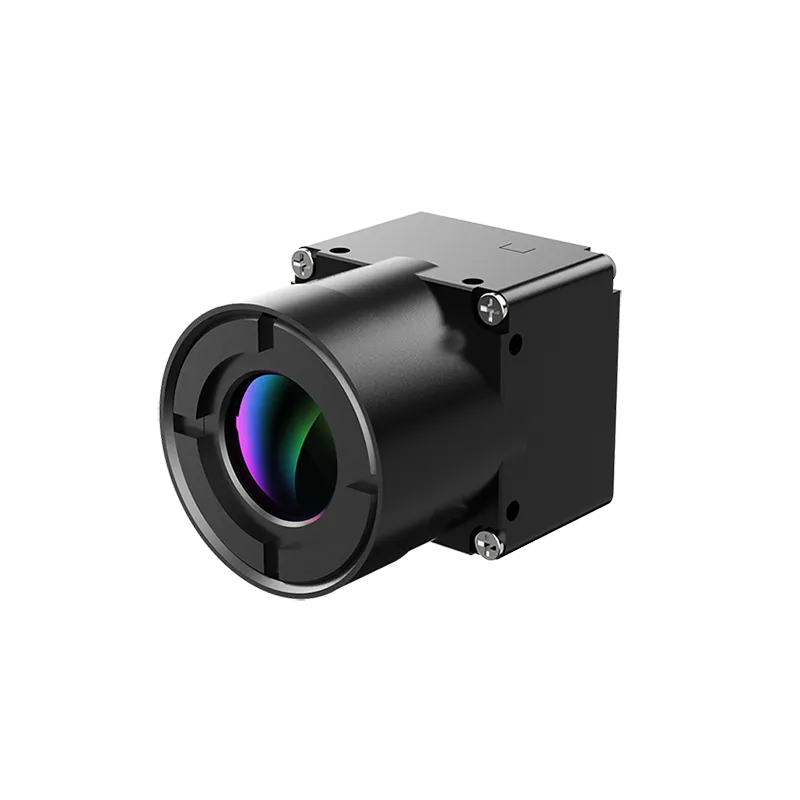
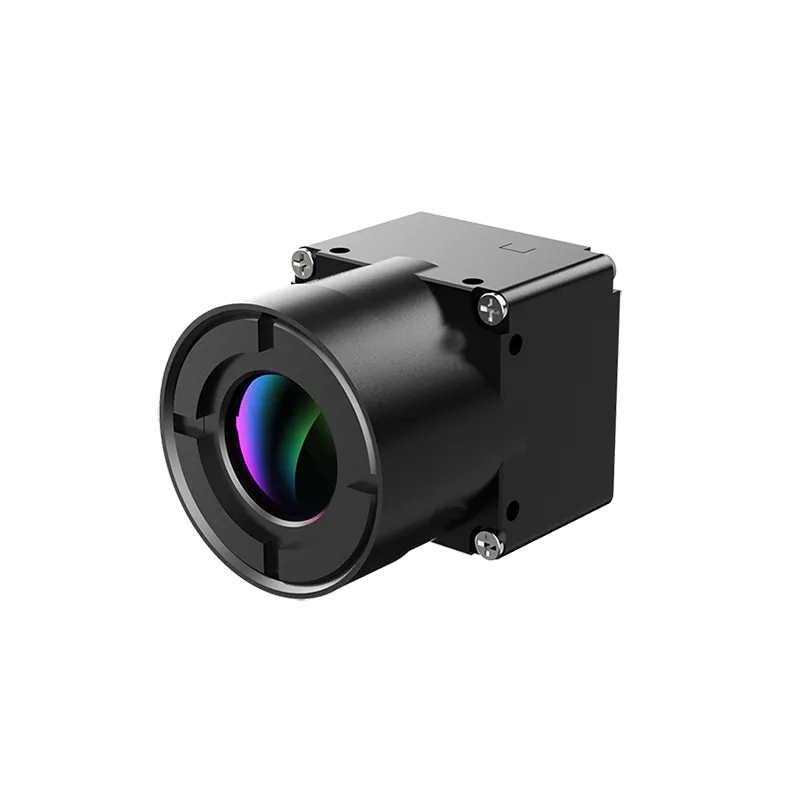
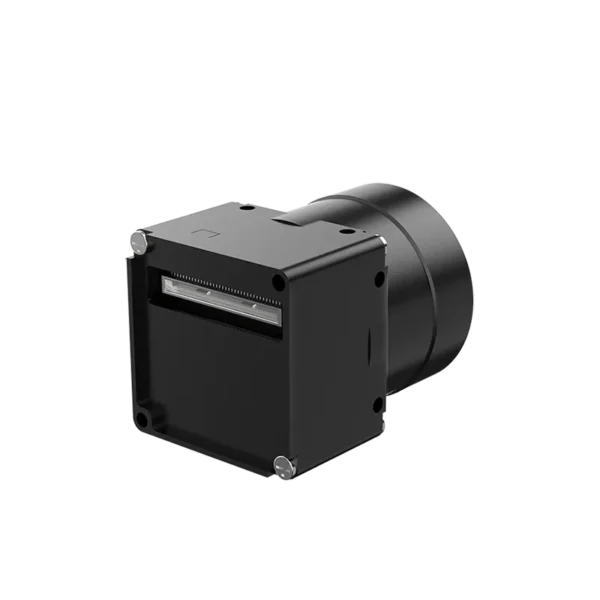
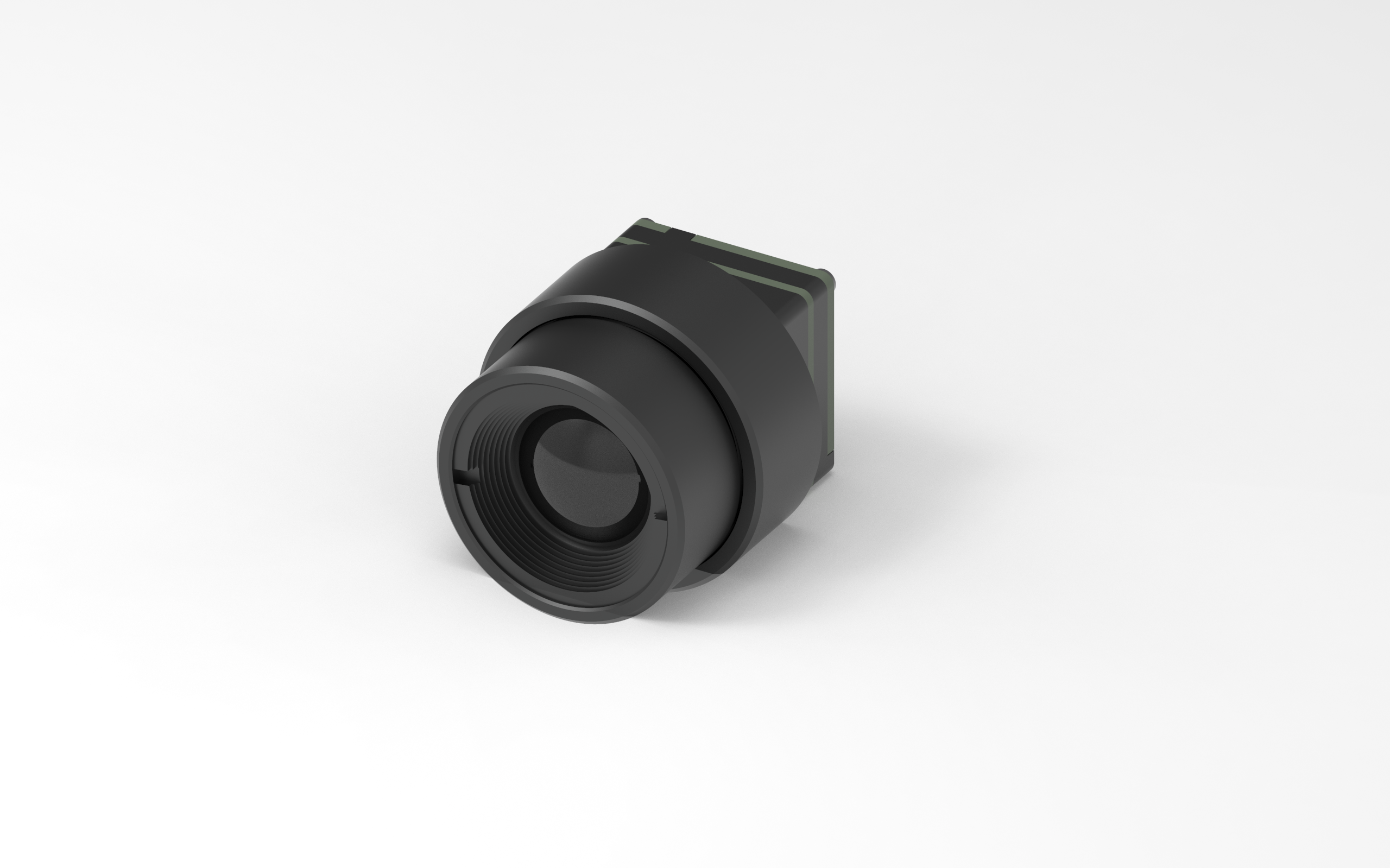
Verytek UVR thermal imaging module — NETD ≤ 40 mK, operating range –40 °C to +80 °C, from < 0.35 W and < 7 g.