
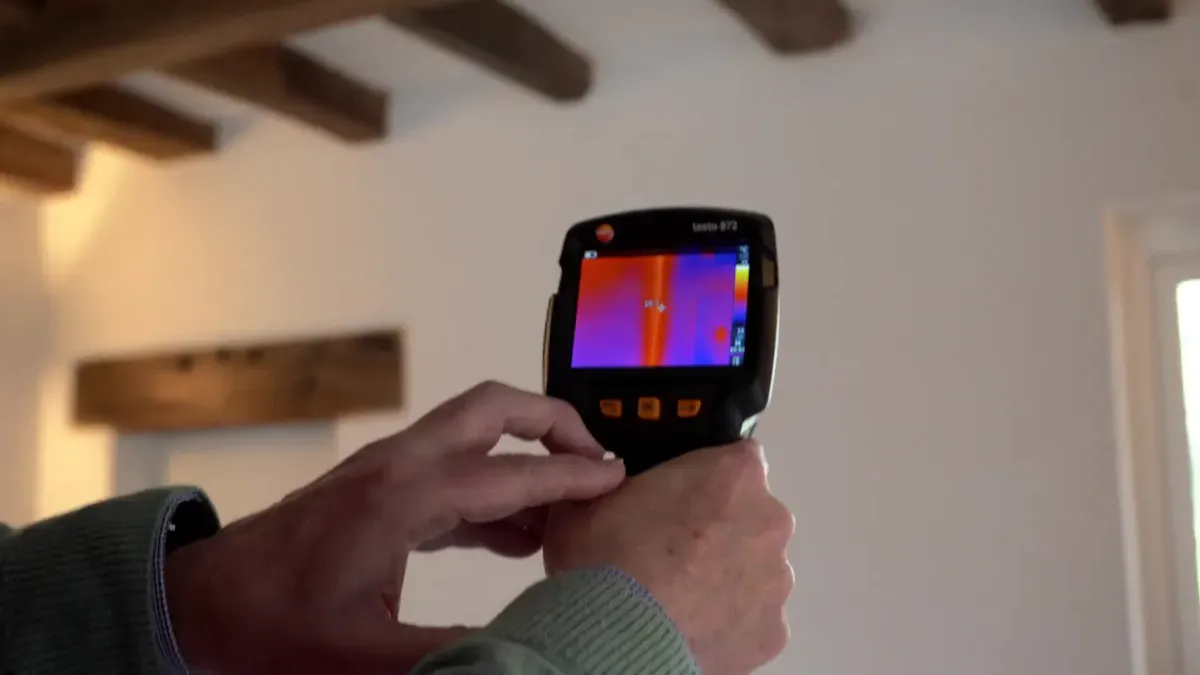
Multi-resolution thermal module technology from Verytek is revolutionizing OEM thermal integration, making the process both seamless and robust. These modules empower engineers to easily incorporate advanced thermal imaging into their systems, reducing development effort. Verytek’s unified SDK and standard interfaces, as seen in the VN2 family design, streamline integration and accelerate project timelines, enabling teams to bring products to market faster. The flexible deployment options and superior imaging performance of Verytek’s multi-resolution thermal modules allow OEMs to create higher-quality products.
OEMs often have strict testing timelines, requiring early collaboration with sensor vendors for new airframes. The key to rapid advancement lies in adopting digital avionic backbones across more aircraft. As these platforms transition from analog to digital data buses, integrating high-resolution sensing becomes much simpler, eliminating the need for complex rewiring.
Verytek’s multi-resolution thermal modules deliver consistent performance in a wide range of real-world OEM thermal integration applications.
Key Takeaways
Multi-resolution thermal modules make it easy for engineers to add thermal imaging. They can do this quickly in their products.
The unified SDK and standard interfaces from Verytek help teams work faster. They spend less time making new products. This also lowers the chance of mistakes.
Flexible resolution options let OEMs pick the right thermal sensors. They can choose what fits their needs best. This helps balance how well it works and how much it costs.
The modules are small and use little power. This makes them great for embedded systems. They help batteries last longer and keep things cooler.
Open APIs and standard interfaces make it simple to connect everything. This helps OEMs and suppliers work together and create new ideas.
Multi-resolution thermal module and thermal imaging sensor basics
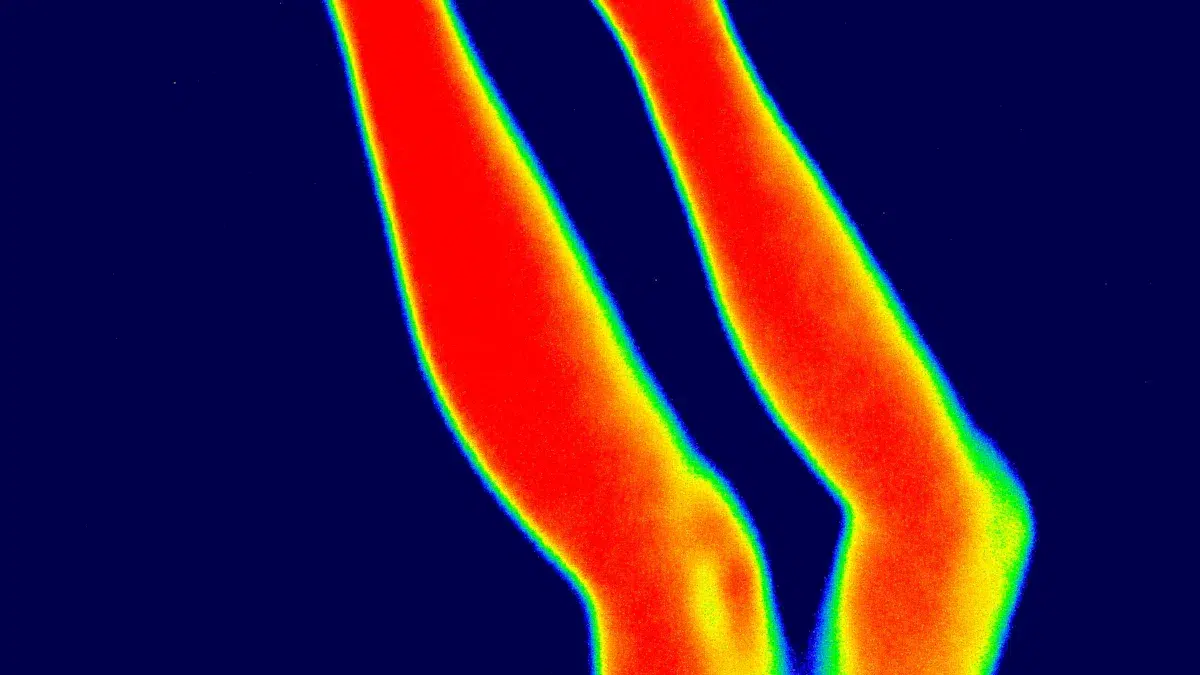
What is a multi-resolution thermal module?
A multi-resolution thermal module lets engineers pick different resolution levels. This helps OEMs choose the best thermal sensors for each job. City safety systems need high-resolution thermal imaging. Home surveillance can use lower resolution. The VN2 family design from Verytek supports this idea. It has a unified SDK and standard interfaces. These tools help engineers save a lot of time. The modules have thermal sensors, infrared optics, and electronics in a small package. They work with many lens types, focus choices, and field of view settings. This makes them good for many infrared imaging modules and smart thermal imaging systems.
Key technical specifications for OEMs include:
Customization options for size, field of view, and image quality.
Configurable thermal camera module with factory calibration and thermal drift compensation.
Flexibility in picking resolution levels, lens types, and focus options.
Multiple interface options, like USB and serial.
Software packages with drivers for different operating systems.
Quality checks with functional and image tests at set temperatures.
These features let OEMs build thermal imaging modules and software tools for many industries.
How thermal imaging sensors work in OEM integration
Thermal imaging sensors find infrared energy from objects. They turn this energy into electronic signals. These signals make images that show temperature differences. In OEM integration, engineers use thermal sensors to add imaging features to products. The process combines hardware and software. This helps with smart operations and imaging. For example, Teledyne FLIR OEM uses artificial intelligence to improve sensor integration in defense and automotive fields.
Verytek’s thermal imaging solutions use uncooled infrared sensors. These sensors work indoors and outdoors. They give accurate temperature readings and real-time monitoring. The modules support Ethernet output and open APIs. This makes integration easy for OEMs. With these tools, engineers can build smart thermal imaging systems that meet strict standards.
Thermal sensors are important in modern surveillance, safety, and industrial monitoring. They help OEMs make reliable, high-performance products quickly.
Key features for oem thermal integration with verytek
Flexible resolutions for diverse applications
Verytek’s UVA Series and VN2 family give OEMs many resolution choices. Engineers can pick the best resolution for each job. City safety needs high resolution to see details in thermal images. Home surveillance uses lower resolution to save money and power. The modules work with different resolution levels. This makes them good for many types of projects. Engineers can match sensors to what their systems need. Picking from several resolution settings helps OEMs meet performance and budget goals. Having more resolution options leads to better project results and supports strong vertical integration.
Compact design and low power for embedded systems
The UVA Series is small and uses little power. These features make it great for embedded systems. Many OEMs must fit sensors into tiny devices. A small size means less space is needed. Low power use means less heat and longer battery life. This matters for portable and outdoor products. The modules can run without fans, so they are quiet. The design lets engineers upgrade or replace parts easily. This lowers design risk and speeds up product launch. These features help vertical integration by making assembly easier and cutting costs.
Good use of space in small systems
Less heat for battery-powered devices
Longer battery life for autonomous products
Easy upgrades for future needs
Open API and unified interfaces for easy integration
Verytek’s VN2 family and UVA Series have open API support and unified interfaces. These features make integration faster and easier for OEMs. Engineers in Europe and America use standard SDKs and hardware interfaces. This saves time and helps teams launch products quickly. The modules use network-centric integration for stable system behavior. Open APIs let engineers make custom software and extra features. Unified interfaces make it simple to connect sensors to different systems.
Feature | Benefit |
|---|---|
Faster integration | |
Standardized hardware interfaces | Lower engineering and setup costs |
Interoperability rules | Quicker onboarding of new systems |
Reduced vendor lock-in | More flexibility and easier buying |
Network-centric integration | Stable and predictable system behavior |
Vertical integration also helps with supply chain and R&D problems. Standard parts and teamwork between OEMs and suppliers lower risks and boost innovation. The modules support a first-principles design approach. This helps optimize cost and performance for thermal imaging projects.
OEM benefits of multi-resolution thermal modules
Faster product development and time-to-market
Multi-resolution thermal module technology helps OEMs make products faster. The VN2 family design from Verytek uses a unified SDK and standard interfaces. These features let engineers skip long custom work. Teams in Europe and America like this because it lowers project risk and speeds up delivery.
The table below shows how vertical integration and agile production help OEMs launch products quickly:
Evidence Aspect | Description |
|---|---|
Vertical Integration | Companies like Teledyne FLIR OEM use vertical integration to scale production fast. |
High-Volume Manufacturing | High-volume output delivers thousands of infrared modules each day, speeding up launches. |
Agile Production Processes | Agile methods cut schedule and delivery risks, improving time-to-market. |
Verytek’s multi-resolution thermal module solutions, like the UVA Series, support high-volume manufacturing. These modules use thermal sensors with different resolution choices. This flexibility lets engineers pick the best resolution for each job. The unified SDK and standard interfaces in the VN2 family design help teams add thermal sensors without delays. OEMs can launch new products faster and respond to market changes quickly.
Enhanced performance and differentiation
Multi-resolution thermal module technology helps OEMs stand out in tough markets. By offering many resolution choices, engineers can match sensors to each system’s needs. High-resolution sensors make images clearer for city safety and defense. Lower resolution options save power and money for home surveillance.
Ways multi-resolution thermal modules help OEMs make unique products:
Meet different market needs with flexible resolution settings.
Add AI analytics and sensor fusion for advanced defense, security, and inspection.
Use advanced sensors like LWIR, MWIR, and SWIR/VIS to spot materials and objects through camouflage or fog.
Enable special alerts and threat detection for defense and quality control.
Follow trends in AI-enhanced, multi-spectral, and small sensors made for size, weight, and power.
Use edge AI analytics, hyperspectral fusion, and 5G for real-time threat detection, tracking, and predictive surveillance.
Verytek’s modules support these features with open APIs and unified interfaces. This lets OEMs add new abilities and keep up with defense and security needs. Picking from many resolution levels and sensors gives each product a special advantage.
Cost efficiency and scalability for OEMs
Multi-resolution thermal module solutions help OEMs save money and grow production. The UVA Series and VN2 family design use standard modules and sensors. This makes the supply chain easier and cuts the need for custom parts. Engineers can pick the right resolution and sensor for each project, balancing performance and cost.
OEMs get these benefits:
Lower development costs by using ready-to-integrate modules.
Easier sourcing and inventory with standard sensors.
Scalable production for small projects and big deployments.
Flexible upgrades by swapping modules or changing resolution.
Less risk of supply chain problems because of standard parts.
Verytek’s focus on integration and modular design supports future product growth. OEMs can add features or upgrade resolution without redesigning everything. This flexibility gives long-term value and supports growth in defense, surveillance, and industrial markets.
Real-world oem thermal integration scenarios
Surveillance and city safety applications
Thermal sensors are important for city safety and surveillance. Engineers use thermal imaging modules to watch public places and transport areas. These modules find heat, even in dark or foggy conditions. Infrared technology helps spot people who should not be there and track their movements. The table below shows where these sensors are used:
Application Area | Description |
|---|---|
Urban Security | Watching public spaces and transport terminals at night. |
Commercial Property Protection | Checking parking lots and building edges after hours to find people who should not be there. |
Data Centers | Watching places with low light and electromagnetic interference. |
Healthcare Facilities | Keeping sensitive areas safe without bothering patients. |
Critical Infrastructure Protection | Watching power plants and substations for people who should not be there. |
Transportation Networks | Keeping airports and seaports safe when it is hard to see. |
Border Security | Watching large areas to find people moving far away. |
Military Base Protection | Secretly watching for threats without showing defense spots. |
Industrial and healthcare use cases
Thermal sensors help in factories and hospitals. Engineers use thermal imaging modules to find strange heat in machines and patients. Infrared sensors give real-time data for early warning. The list below shows main benefits:
Earlier detection of problems for better patient care.
Faster use of the solution by doctors and vets.
Thermal sensors also help check machines and stop breakdowns in factories. Infrared technology keeps things safe in tough places.
Best practices for integrating verytek modules
OEMs can launch products faster by using the VN2 family design. Unified SDK and standard interfaces save a lot of development time. Engineers in Europe and America find integration easy and performance reliable. The table below shows rules and standards:
Compliance Aspect | Description |
|---|---|
Export Controls | Follow ITAR and other export rules. |
EMC Standards | Meet electromagnetic compatibility rules. |
Safety Standards | Follow safety rules for the place where used. |
Certification/Technology | Description |
|---|---|
ISO9001 | Makes sure products are stable and service is reliable by following strict quality rules. |
CE | FCC |
AI Thermal Imaging Fusion | Makes low-resolution thermal images clearer and better. |
High Sensitivity Detection | Gives clear thermal images in cold places with high temperature detail. |
Intelligent Scene Recognition | Changes imaging settings automatically for different environments, making it easier to use. |
Industrial-grade Reliability | Built to last in tough places, so products work well and stay strong. |
Tip: Engineers should use unified SDKs and standard interfaces to save time and follow industry rules.
Multi-resolution thermal modules give OEMs lots of benefits. Engineers use unified SDKs and standard interfaces in the VN2 family design. These tools help them finish projects faster. The UVA Series from Verytek helps teams create new ideas and grow products easily. Some main advantages are:
Non-contact measurement keeps people safe.
Real-time monitoring helps teams make fast choices.
High-precision detection is important for tough jobs.
Multifunctional uses work in many industries.
Cost efficiency helps companies do better work.
In the future, OEM integration will use new packaging methods, smaller sensors, and focus on being green. OEMs can use thermal modules to make strong, high-quality products for tomorrow.
FAQ
What is the VN2 family design?
The VN2 family design uses a unified SDK and standard interfaces. This helps engineers in Europe and America finish projects faster. They can add modules quickly. They do not have to worry about hardware problems. This lets them spend more time on product features.
How does a unified SDK help OEMs?
A unified SDK gives engineers one set of tools for all modules. They do not need to make new code for each device. This saves a lot of time. Teams can get products ready much faster.
Why do standard interfaces matter for integration?
Standard interfaces make it simple to connect thermal modules to many systems. Engineers can use the same wires and rules. This lowers mistakes and makes testing faster.
Can these modules support fast time-to-market?
Yes. The VN2 family design has a unified SDK and standard interfaces. Teams can finish integration quickly. They can go from testing to making products in less time.
What industries use these thermal modules?
Many industries use these modules. Some examples are city safety, surveillance, healthcare, and industrial monitoring. The modules work well inside and outside.
Tip: Teams should use the unified SDK and standard interfaces. This saves time and lowers project risks.
See Also
The Importance of Thermal Imaging Cameras in 2025
Rescue Operations Enhanced by Vanadium Oxide Thermal Cameras
Utilizing Thermal Imaging Cameras for Search and Rescue Efforts
Key Trends Influencing Android Auto Wireless Adapter Development