
Uncooled thermal cameras are essential tools for identifying machine problems early. By using an industrial thermal camera or a predictive maintenance camera, you can easily detect overheating components or worn parts before they cause major issues. These cameras also help you spot electrical imbalances in advance, allowing you to schedule repairs proactively and save money. This approach keeps your factory running smoothly and efficiently. The table below highlights how uncooled thermal cameras, industrial thermal cameras, and predictive maintenance cameras benefit various industries and support predictive maintenance strategies.
Aspect | Description |
|---|---|
Application | Used in many industries, with predictive maintenance being the biggest use. |
Detection | Finds early signs of problems like overheating or wear. |
Benefits | Reduces downtime, saves money, and helps machines last longer. |
Integration | Works with predictive analytics and machine learning for better results. |
Adoption | Common in manufacturing, power, and utilities. |
Brands like VERYTEK are at the forefront of innovation in thermal imaging systems. By choosing a high-quality industrial thermal camera, you can transform your maintenance processes and enhance workplace safety.
Key Takeaways
Uncooled thermal cameras find machine problems early. This stops expensive breakdowns and lessens downtime. – Thermal imaging helps factories save 30-40% on maintenance costs. It lets workers fix things before they break. – The VERYTEK L640 module gives clear, high-quality images. This makes it simple to watch equipment and keep people safe. – Checking machines often with thermal cameras helps them last longer. It also makes the workplace safer for everyone. – Adding thermal imaging to maintenance systems makes repairs faster. It also helps workers watch machines more easily.
Uncooled Thermal Camera Technology in Industry
How Uncooled Thermal Cameras Work
Uncooled thermal cameras let you see heat that your eyes cannot. They find heat by picking up infrared energy from objects. The sensors inside do not need to be cooled, so the cameras are small and simple to use. Most of these cameras use microbolometer technology. Each pixel in the sensor changes its resistance when it feels heat. The camera turns these changes into a picture that shows different temperatures.
Here is a table that shows the main ideas behind uncooled thermal imaging:
Principle/Characteristic | Description |
|---|---|
Operating Temperature | Sensors stay at the same temperature to make pictures clearer. |
No Cryogenic Coolers | There is no need for big or costly cooling systems. |
Detection Mechanism | Uses microbolometer or similar technology to sense heat. |
Pixel Properties | Pixels react a lot to heat and are protected from outside air. |
Structure Design | The design helps lower noise and makes the camera work better. |
Cost Dependency | How the sensor is made changes the price. |
Preferred Technology | Thin-film silicon technology works very well. |
Advantages for Industrial Applications
Thermal cameras are helpful for many jobs in factories. They help you find hot parts, electrical problems, and worn-out machines before things break. Since these cameras do not need cooling, you can put them in small places or on moving machines. They use less energy and cost less than cooled cameras. You get quick and correct results, so you can make good choices for repairs and safety.
VERYTEK L640 Module Overview
The VERYTEK L640 module is a great pick for factories. It is small and light, only 21×21mm and 8g. The module has a high resolution of 640×512, so you see clear pictures even in smoke or dark places. It works with many types of connections like MIPI, USB, and analog video, so you can add it to your system easily. The L640 can measure temperatures from -20°C to 650°C, which fits most factory needs. You can also change the module to match what you need. This makes the L640 a smart choice if you want to improve your uncooled thermal camera industrial thermal camera predictive maintenance camera setup.
Predictive Maintenance with Industrial Thermal Imaging
Early Fault Detection and Monitoring
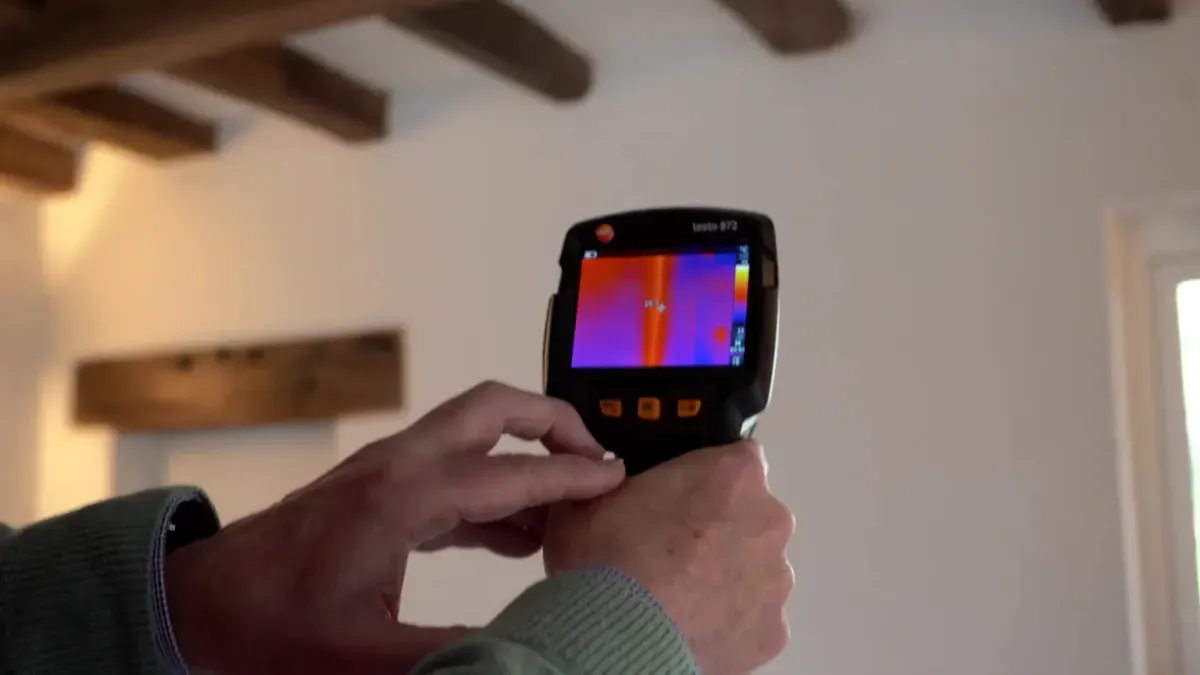
Thermal imaging systems help you watch your machines all the time. You can see temperature changes right away. This helps you find problems before they get worse. You can check if equipment is getting too hot or wearing out. A predictive maintenance camera shows clear pictures of where trouble might start. The VERYTEK L640 module lets you watch important machines with sharp images and quick updates. You can put this module in small spaces and keep an eye on machines without stopping work. You can find hot spots or strange heat patterns early. This means you can fix things before they break.
Tip: Use thermal cameras to check your machines often. You can find problems fast and keep your equipment working well.
Reducing Downtime and Costs
Thermal imaging systems help you save money and time. You can spot problems early and plan repairs when it is best. This stops sudden breakdowns and keeps your work going. The VERYTEK L640 module gives you exact temperature numbers. You can watch important machines and stop them from breaking down.
Thermal imaging systems help you find problems early.
You can plan repairs during breaks, not after something fails.
This way, you can cut surprise downtime by up to 50%.
Here is a table that shows how you can save money with uncooled thermal camera industrial thermal camera predictive maintenance camera solutions:
Area of Cost Savings | Description |
|---|---|
Downtime Avoided | Every minute saved means more finished work each day. |
Component Life Extended | Cooler bearings last longer; motors that stay cool do not break as fast. |
Incident Reduction | Fewer stuck rollers and hot knives mean fewer fires and injuries. |
Insurance Savings | Some insurance companies give discounts for using thermal imaging. |
You can watch your machines and make them last longer. You can stop accidents and even pay less for insurance. The VERYTEK L640 module helps you do all this with good monitoring and correct temperature checks.
Improving Safety and Reliability
Thermal imaging helps you keep your workplace safe and reliable. You can find problems before they cause accidents. You can stop fires, electrical problems, and injuries. The VERYTEK L640 module lets you watch important machines and find heat changes that mean danger.
Factories using thermal imaging have 45-65% less electrical downtime.
Machines work better, up to 35-50% more, than with old ways of checking.
Good thermal imaging can stop big electrical failures that cost a lot of money.
You can check your machines and keep workers safe. You can make your factory run better and more safely. The VERYTEK L640 module gives you what you need to watch machine health and find problems fast. You can build a strong maintenance plan and protect your important machines.
Applications of Uncooled Thermal Cameras in Industry
Uncooled thermal cameras are strong tools for fixing machines. You can use them in many jobs to keep your equipment safe. These cameras help you find strange heat spots before things break. Let’s see how thermal imaging systems work in different places.
Electrical Systems and Equipment
You can use thermal imaging systems to check electrical systems. These cameras find hot spots in circuit breakers and transformers. You can see heat that means there is a problem. This helps you stop breakdowns and keeps your important machines safe. The camera’s detector sees heat changes and makes clear pictures. You can watch your equipment and plan repairs before things go wrong.
Rotating Machinery Monitoring
Thermal imaging helps you check machines that spin, like motors and pumps. Infrared thermography lets you watch without touching the machines. You see pictures that show hot spots in moving parts. This helps you know if something is wrong and stop surprise breakdowns. You can use industrial thermal imaging to find problems and plan repairs. Many factories use this technology to keep machines working well.
HVAC and Facility Inspections
Thermal imaging systems help you check HVAC units and buildings. You can find where heat escapes or where water gets in. These cameras give you quick heat pictures, making repairs safer and faster. Facility managers use thermal imaging to find hidden problems and save energy. You can fix issues early and keep your building safe from big damage.
Manufacturing Process Optimization
You can use thermal cameras to make factory work better. Thermal imaging systems watch machines and materials to help control the process. Planned repairs are easier, and you have less downtime. Studies show thermography checks save money and give better results. You make your factory repairs faster and more earth-friendly.
Case Study: A factory used the VERYTEK L640 uncooled thermal camera industrial thermal camera predictive maintenance camera to watch electrical panels and spinning machines. The module’s high resolution and small size made it easy to add. The factory had 40% less downtime and better machine health by finding problems early.
Turning Thermal Data into Actionable Intelligence
Real-Time Monitoring Solutions
You can use real-time monitoring to keep machines safe. Thermal imaging systems show temperature changes right away. You can watch machines from a control room or far away. This helps you find problems before they get worse. The VERYTEK L640 module gives clear pictures and quick updates. It is easy to start a thermal monitoring program. Remote monitoring lets you check places that are hard to reach. Real-time monitoring helps you act fast and stop expensive breakdowns.
Integration with Maintenance Systems
You can connect thermal imaging systems to your maintenance tools. This makes your monitoring stronger. When you find problems, the system can make work orders quickly. You do not need to type in data yourself. Your maintenance team sees all the information in one spot. This helps you plan repairs and track your equipment. You can use a thermal monitoring program to link camera data with other sensor data. This gives you a full view of your machines’ health. The VERYTEK L640 module works with many systems. You can build a custom solution for your needs.
You can link thermal imaging data with CMMS or EAM platforms.
The system can mix thermal data with other records.
Automatic work orders help your team fix problems faster.
Data Analysis for Predictive Maintenance
You need good analysis to turn thermal data into smart choices. Start by making a thermal monitoring program for your important machines. Here are the main steps for using thermal imaging data:
Make a list of equipment to watch and set priorities.
Decide how often to check each machine.
Plan inspection routes for your team.
Review old reports and make sure equipment is easy to reach.
Use infrared scanning to take pictures and find problems.
Look at the data to find temperature changes.
Check your results with meter readings.
Take action based on what you find.
You can use automated analysis and predictive algorithms to find patterns in your data. The table below shows some common ways to analyze thermal data:
Technique | Description |
|---|---|
Automated Thermal Analysis | Uses software to scan for problems in thermal data. |
Predictive Algorithms | Looks at past data to predict when equipment might fail. |
Integration with Condition Monitoring | Combines thermal imaging with other monitoring tools for a full view of your equipment. |
A flexible module like the VERYTEK L640 lets you change your monitoring and analysis. You can set up your own thermal monitoring program and connect it to your maintenance tools. This helps you make smart choices and keep your machines working well.
Tip: Use real-time monitoring and good analysis to catch problems early and keep your factory safe.
Implementation Strategies and Challenges
Training and Skill Development
You need workers who know how to use industrial thermal imaging. Many companies do not have enough training when they start using these cameras. You can fix this by giving strong training programs. For example, some companies train each worker for 60 to 80 hours. This helps your team use the cameras well and find problems early. Companies like Boeing and BMW give free courses and certifications to their workers. You can also find special programs, like Level I Thermography Certification, which needs at least 32 hours of training. The NFPA 1408 rule says you must train your team before they use thermal imagers.
Strategy | Description |
|---|---|
Successful Programs | 60–80 hours of training per worker helps adoption. |
Internal Upskilling | Companies give free courses and certifications to close skill gaps. |
Certification | Level I Thermography Certification needs 32 hours of training. |
NFPA 1408 Compliance | Training is needed before using thermal imagers. |
Tip: Good training helps your team find problems faster and keeps your assets safe.
Investment and ROI
You might worry about the price of new technology. High-quality thermal modules can look expensive at first. But uncooled thermal cameras cost less to make and use than older tools. They do not need special cooling, so you save money. These cameras help you avoid downtime by finding problems early. You get more value because your assets last longer and your maintenance costs go down. Many factories pick uncooled thermal cameras because they work well and are cost-effective for big groups of assets. This makes them a smart choice for predictive maintenance.
Challenge Type | Description |
|---|---|
The price can be high for small and medium companies. | |
Regulatory Challenges | Rules and export limits may slow down projects. |
Technical Limitations | Sensor limits and outside factors can affect use. |
Market Fragmentation | Many brands make it hard to pick the best option. |
Best Practices for Deployment
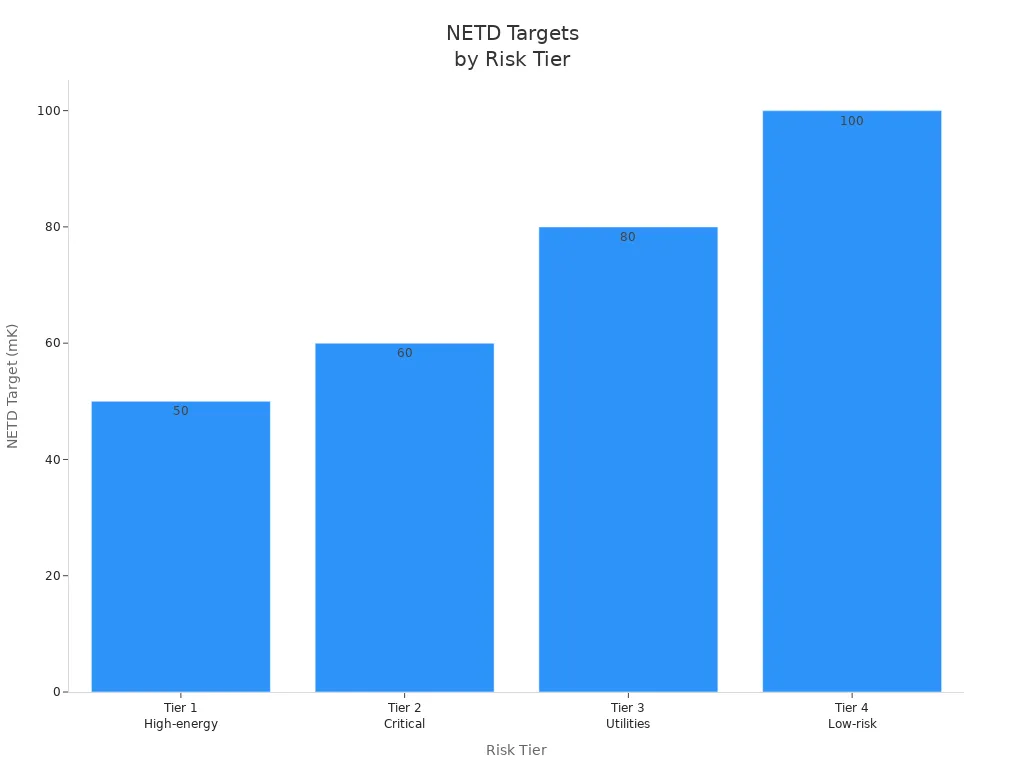
You should follow best practices to get the most from your predictive maintenance strategies. Start by picking the right camera for your assets. Use high-resolution cameras for important assets like switchgear and transformers. Choose cameras with a NETD of 50 mK or lower for the best results. For less important assets, you can use entry-level cameras. Put cameras where they can watch equipment all the time. Connect your cameras to your maintenance system for fast action when you find a problem.
Risk Tier | Typical Assets | NETD Target | Optics / FOV | Notes | |
|---|---|---|---|---|---|
Tier 1 – High-energy, life-safety | MV/LV switchgear, transformers, high-pressure lines | 640×480 / 640×512 | ≤50 mK (≤40 mK ideal) | Standard + telephoto lens options | Use extra cameras for 24/7 monitoring. |
Tier 2 – Critical production | Turbines, kilns, big motors & gearboxes | ≥384×288 (640×480 preferred) | ≤60 mK | Wide and medium FOV | Good balance between price and detail. |
Tier 3 – Utilities & buildings | HVAC, steam traps, building electrical, roofs | 256×192 or 384×288 | ≤80 mK | Wide FOV | Focus on coverage and easy use. |
Tier 4 – Low-risk or occasional | Non-critical equipment, R&D, training | 256×192 | ≤100 mK | Wide FOV | Entry-level cameras are enough. |
You can work with a trusted partner like VERYTEK to get expert help. This support makes it easier to set up your system and keep your downtime low. You will see better efficiency and protect your most important assets.
You can make your factory better with uncooled thermal cameras like the VERYTEK L640 module. These cameras help you find problems early. They keep your workers safe and help you spend less money. The table below shows how thermal imaging helps with maintenance.
Benefit | Description |
|---|---|
Cost Reduction | Factories can save 30-40% on maintenance by fixing problems before they get worse. |
Improved Safety | You can check high-voltage systems without touching them, so workers stay safe and work does not stop. |
Extended Equipment Lifespan | Checking machines often stops damage from building up, so you can fix things on time and machines last longer. |
Thermal imaging will get even better soon.
IoT will let you see data right away.
Pictures will be clearer with better resolution.
AI will help you know when things might break and plan repairs.
FAQ
What is an uncooled thermal camera?
An uncooled thermal camera lets you see heat. It does not need cooling parts to work. The camera senses infrared energy and shows temperature changes in pictures.
How does the VERYTEK L640 module help with predictive maintenance?
The VERYTEK L640 module helps you find problems early. It gives clear pictures and updates quickly. You can watch machines closely and get correct temperature numbers. This helps you make fast choices.
Can you use thermal cameras for electrical inspections?
You can use thermal cameras to check electrical systems. They help you find hot spots in wires and panels. This can stop fires and let you fix things before they break.
What industries benefit most from thermal imaging?
Industry | Benefit |
|---|---|
Manufacturing | Finds problems early |
Power Utilities | Safer checks for electricity |
HVAC | Spots where energy escapes |
Security | Helps see at night and watch |
Tip: Thermal imaging works in many jobs. It helps keep people safe and makes work better.
See Also
The Importance of Thermal Imaging Cameras in 2025
Utilizing Thermal Imaging Cameras for Rescue Operations in 2025
Vanadium Oxide Thermal Imaging Cameras for Effective Rescues