
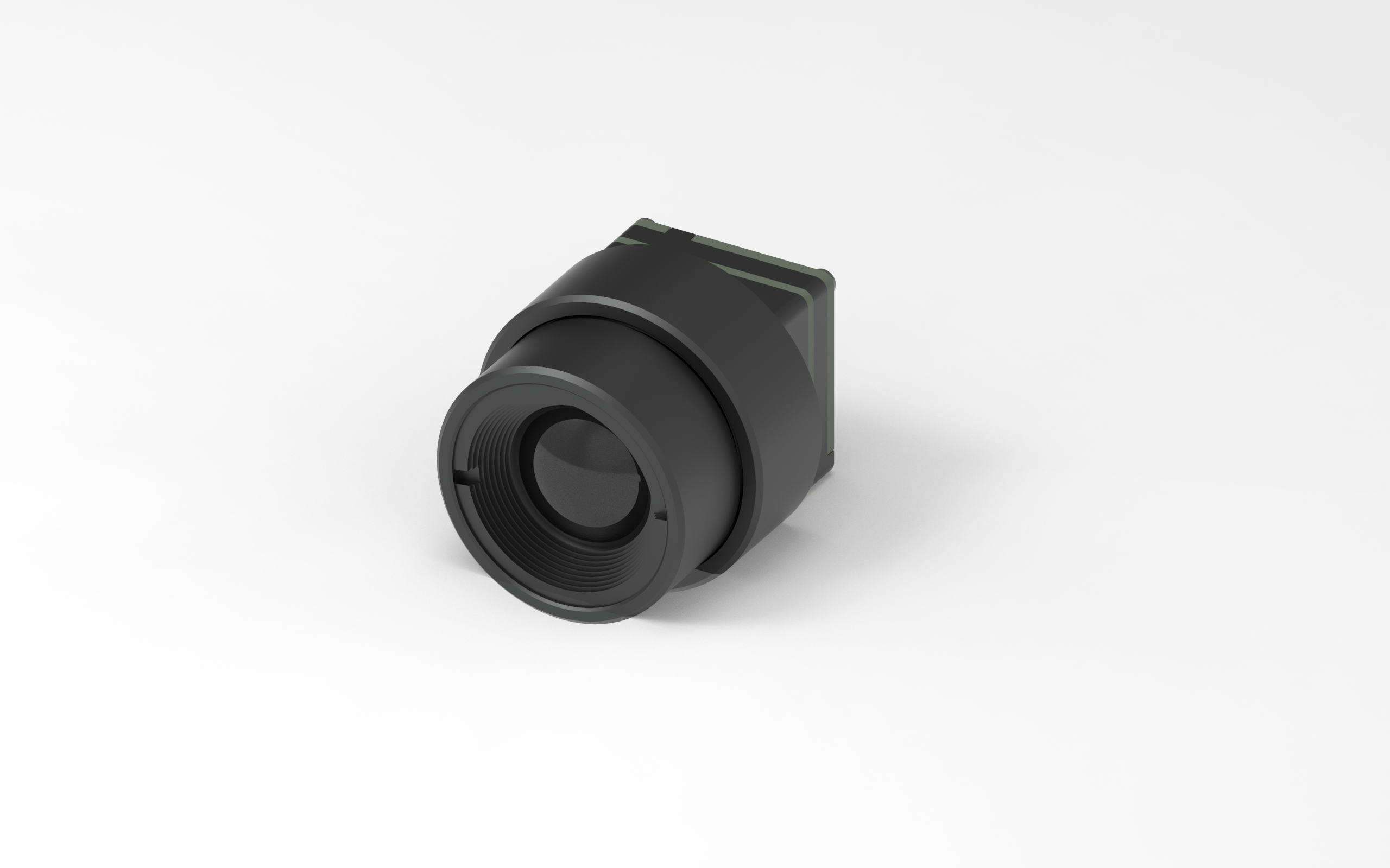
You must pick the right uncooled infrared module for your job. Think about what you want to do, like checking building energy, fixing machines before they break, or using police drones with thermal cameras. Look at the technical details, rules, and how it will fit with your other equipment before buying. Choose a supplier who is reliable and has good results to lower risk. SWaP needs are important, especially for drones and security jobs. New products like the Verytek UVR help you keep up with modern thermal imaging needs. Talk to the VERYTEK UK team today to find the best uncooled infrared module for your project.
Key Takeaways
Think about what you need before picking an uncooled infrared module. You might use it for checking building energy or fixing machines.
Pick a supplier you can trust and who has done good work in the UK. Read what other customers say and look at case studies to check quality.
Make sure the module follows UK and EU rules. Check that it has CE marking and RoHS certification for safety and the environment.
Look at how well the module works. Check the resolution, frame rate, and SWaP features to see if it suits your needs.
Think about how much it will cost in total. Remember to include maintenance, training, and support to get the most for your money.
Uncooled Infrared Module Overview
What Is an Uncooled Infrared Module?
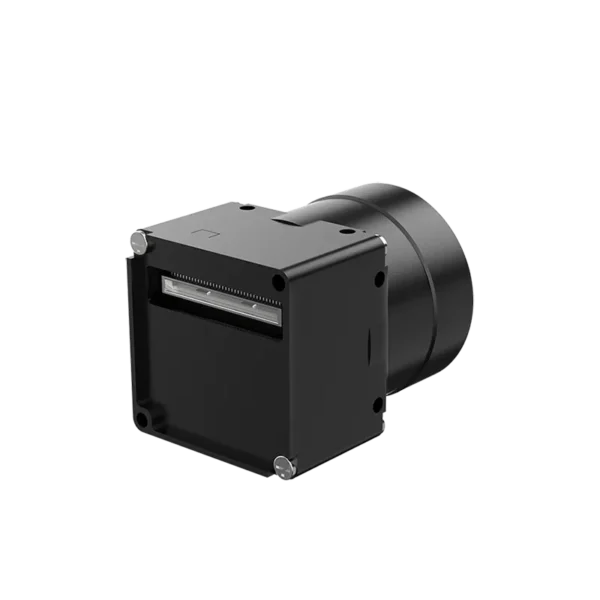
An uncooled infrared module helps you see heat. It makes pictures that show warm and cold spots. This technology does not need a cooling system. That makes it simple and works well for many jobs. People in the UK use these modules in lots of ways. They help with building checks, fixing machines, and police drones. You can find heat leaks in buildings. You can check machines before they break. Police use them to act fast in emergencies. These modules help you follow UK and EU rules for safety and saving energy.
Uncooled vs Cooled Technology
It is important to know how cooled and uncooled modules are different. The table below shows the main differences:
Feature | Cooled Infrared Modules | Uncooled Infrared Modules |
|---|---|---|
Cost | Higher initial cost | Lower initial cost |
Sensitivity | Higher sensitivity | Lower sensitivity |
Image Quality | Superior image quality | Adequate image quality |
Maintenance | More complex maintenance due to cooling | Simpler maintenance, no cooling required |
Application Suitability | Better for detecting small leaks, regulatory compliance | Suitable for continuous operation, less sensitive to small leaks |
Uncooled infrared modules are good for jobs that run all the time. They are easy to look after. They cost less money and fit well with drones and small devices.
Key Benefits for UK Industry
Using an uncooled infrared module gives you many good results in the UK:
You use 22% less energy in car factories.
You have 41% less machine downtime.
You save 60% on checking things by hand.
You get your money back in 18 months.
You find methane leaks 83% faster in energy work.
You stop poaching by 67% in wildlife projects.
You cut carbon by 34% in smart factories.
The Verytek UVR module is special because of its SWaP features. It is light, small, and does not use much power. You can put it in drones and other machines easily. Its shutter-less design gives smooth pictures. Its digital connections make it easy to use with other equipment. It works well in many drones and factories. You can talk to the VERYTEK UK team to find the best uncooled infrared module for your needs.
Uncooled Thermal Sensors: Procurement Criteria
Performance and Specifications
Check the main features before buying uncooled thermal sensors. These sensors help you see heat and find problems in machines or buildings. They also help with security jobs. Look at the resolution, frame rate, and spectral range. High resolution gives you clear pictures. A good frame rate helps you see moving things without blur. The table below shows the lowest specs for UK UAV and security work:
Specification | Value |
|---|---|
Resolution | 640 x 512 pixels |
Frame Rate | 30 Hz or < 9 Hz |
Spectral Range | 7.5 – 13.5 μm |
You should check SWaP features too. Size, weight, and power are important for drones and portable gear. Low power use keeps your kit working longer. Small and light sensors fit in tight spaces. Ask suppliers for datasheets. These show all the sensor details. You can use them to compare and pick the best one.
Compliance and Standards in the UK
You must follow UK and EU rules when buying infrared sensors. These rules keep your equipment safe and working well. Look for sensors with CE marking and RoHS standards. These show the sensors are safe and do not harm the environment. Check if the supplier has ISO certification. This means they follow strict quality rules. Ask for proof before you buy. Make sure the sensors fit UK security laws. This helps you avoid trouble later.
Tip: Always ask your supplier for certificates and test reports. This helps you prove your sensors meet UK rules.
Environmental Suitability
You need sensors that work in many places. Some jobs need sensors that handle rain, dust, or cold. Check the operating temperature range. Look for sensors that work from -20°C to +60°C. Check if the sensors have IP ratings. IP ratings show how well sensors resist water and dust. Ask your supplier about real-world tests. These tests show how sensors work in tough places. You can use sensors in factories, outside, or on drones. Good environmental features help your equipment last longer.
Integration Requirements
Make sure your sensors fit with your other equipment. UK security teams want special features. You need sensors with strong LWIR thermal performance. Good SWaP features help with drones and portable gear. Look for sensors with thermal sensitivity of ≤20 mK. This helps you spot small heat changes. You need different lens options. This lets you pick the best view for your job. Ask for product documents. Good documents help you set up and use the sensors.
Strong LWIR thermal performance with top SWaP for easy fitting
Top thermal sensitivity of ≤20 mK for better spotting and ID
Many lens choices and full product documents to help users
Talk to your supplier about technical support. Ask for help with fitting the sensors. Request datasheets and book a meeting. This helps you avoid mistakes and get the best results. You can use uncooled thermal sensors in UAVs, security systems, and smart devices. Good fitting makes your job easier and safer.
UK Supplier Evaluation
Reliability and Track Record
You need a supplier you can trust. First, check how long they have worked with thermal imaging. Find proof that they have done good jobs in the UK. A good supplier will show you stories from real customers. They might share feedback or case studies. The Verytek UVR module is used a lot in mass production. Many UAV makers use it for police drones and checking machines. This means the module works well in real jobs and meets tough needs.
Tip: Ask your supplier to show their modules being used. If they work in building checks, fixing machines, or drone patrols, you know they are reliable.
Support and After-Sales Service
Good support helps you use your thermal module better. Check if the supplier gives technical help and training. They should answer your questions quickly. Fast help is important for wind farm checks or police work. Pick a supplier who gives clear guides and easy datasheets. Ongoing support is also important.
Look for:
Help before you buy
Training for your team
Fast answers when you need service
Certification and Customisation
Make sure your supplier follows UK and EU rules. Check for CE marking, RoHS, and ISO certificates. These show the supplier cares about safety and quality. Some jobs need special features. Ask if the supplier can change the module for you. The Verytek UVR series has different resolutions and digital links. This helps you use the module in many systems, like smart buildings or UAVs.
Certification | Why It Matters |
|---|---|
CE Marking | Meets UK/EU safety laws |
RoHS | Safe for environment |
ISO | High quality control |
Contact the VERYTEK UK team today to talk about uncooled infrared modules made for your projects.
Cost and Value Considerations
Price vs Performance
You want to get good value for your money. Price is important, but how well the module works is even more important. Good thermal modules help you find heat loss in buildings. They also keep machines working and help police drones do their jobs. You should look at what each module can do. Check things like resolution, frame rate, and SWaP. The Verytek UVR series works well, uses little power, and is light. You can use it for checking energy use, fixing machines before they break, and fast drone work.
Tip: Write down the features you really need. Make sure the module has these before you think about the price.
Feature | Why It Matters |
|---|---|
Resolution | Clear images for audits |
Frame Rate | Smooth video for drones |
SWaP | Fits in small devices |
Total Cost of Ownership
You should think about more than just the price you pay at first. The total cost includes looking after the module, training, and getting help when you need it. Good modules save you money over time. You will not spend as much on fixing them or stopping work. The Verytek UVR module works well in hard jobs like checking wind farms. It lasts a long time and is easy to use with other equipment.
Think about:
How long the warranty lasts
Help from the supplier
Price of spare parts
Training for your team
Note: A module that costs more at first might save you money later if you do not have to fix it often.
Integration and Maintenance Budget
You need to plan how much money you will spend to fit and look after the module. Easy fitting saves you time and money. The Verytek UVR module has digital links and a design that fits many jobs. You can put it in police drones, factory systems, or smart devices. Looking after it is easy because it is strong and does not have a shutter.
Plan for:
Money for putting it in
Software updates
Regular checks
🛠️ You can ask the VERYTEK UK team for help with fitting and looking after your module. They give support and advice for your project.
Contact the VERYTEK UK team today to talk about uncooled infrared module solutions made for your projects.
UK Applications for Uncooled Modules
Industrial Use Cases
Uncooled infrared modules are used in many UK industries. They help you find heat loss in buildings. This means you can spot leaks and save on heating bills. Factories use thermal imaging sensors to check machines before they break. This helps stop downtime and keeps work going. Offshore wind farms use strong modules to check equipment. These sensors help keep workers safe and plan repairs. Food factories use them to check for defects in products. This makes sure food is safe to eat. In farming, you can watch crops and check what they are made of. You see how wet the soil is and find problems early.
Manufacturing: You check for safety and find surface problems.
Agriculture: You watch crops and look after fields.
Food Processing: You make sure food is safe and has no defects.
Industrial Automation: You help systems work better and watch them.
Environmental Monitoring: You check the environment and follow the rules.
Security and Surveillance
Thermal imaging helps with security jobs in the UK. You use these modules to watch fences and spot people quickly. You can see intruders even when it is dark or foggy. Defence teams use high resolution sensors for better surveillance. Some advanced products, like Teledyne FLIR A400/A700, are used for research and security. FusionSight helps police find and identify people at night or in the day. CamSight gives clear pictures for drivers and drone pilots.
Product Name | Description | Applications |
|---|---|---|
Teledyne FLIR A400/A700 | Security and surveillance applications | |
FusionSight | Night and day vision enhancer for accurate detection and identification. | Police surveillance, search and rescue |
CamSight | Compact cameras for infrared and low light vision. | Perimeter surveillance, driver vision, UAV observation |
UAV and Portable Devices
Uncooled infrared modules are used in drones and ground vehicles. You can put modules like the Verytek UVR in police drones for searching. This gives clear pictures and fast help in emergencies. Portable devices use these modules for checks in factories and smart homes. You can watch energy use and find faults. High resolution sensors help you recognise things in tough places. The Verytek UVR module is used in many drones made in the UK. Its light weight and digital links make it easy to use.
Note: You can ask the Verytek UK team for stories and tips on using modules for your needs.
Procurement Process Steps
Needs Assessment
First, you need to know what you want. Think about your work and what you must do. Maybe you want to find heat leaks in buildings. You might want to keep machines working in factories. Sometimes, police drones need to spot people at night. Write down your main goals for the job. Decide if you need clear pictures or if you want the module to use less power. Some jobs need tough sensors, like wind farm checks. Make a list of the most important features you need. This list helps you pick the right module.
Tip: Ask your team about their problems. Then you can find the best thermal imaging module for your needs.
Supplier Shortlisting
Next, you look for suppliers who match your needs. Check if they have done good work in the UK before. See if they sell modules for building checks, fixing machines, or police drones. Read what other people say about them. Look for stories from real customers. Make sure their products are reliable. You can ask for names of other customers. Pick suppliers who follow UK and EU rules.
Look for:
Experience in your type of work
Good help and support after you buy
UK and EU certificates
Datasheet Requests and Consultations
Ask suppliers for datasheets and advice. Datasheets show important facts about the module. You can compare how clear the images are and how big the sensor is. Look at the size and cost-saving features too. Ask questions about how the module will fit your system. You can ask about special packaging like PLP, which saves space and money. Check if the module works in drones or vehicles.
Specification | Details |
|---|---|
More pixels on an IR imaging sensor for better clarity | |
Smaller IR Imaging Sensors | Frees up design space and reduces overall system costs |
Cost-Saving Measures | Transition from metallic to ceramic packaging for significant savings |
Advanced Packaging Tech | PLP (Pixel Level Packaging) for efficient production and savings |
Applications | Used in military and security, including airborne and land vehicles |
Note: Always ask for clear datasheets and book a meeting with the supplier. This helps you avoid mistakes and get the best module for your job.
Compliance Checks
Check if the module follows UK and EU rules. Look for CE marking, RoHS, and ISO certificates. These show the module is safe and good quality. Make sure the module fits the rules for your industry. For police drones, check security laws. For wind farms, check environmental rules. Ask the supplier to show proof that the module meets these rules.
Check:
CE marking for safety
RoHS for the environment
ISO for quality
Evaluation and Trials
Test the module before you buy it. Ask for a demo or a trial unit. Use it in your real job, like checking a building or flying a drone. See if the module gives clear pictures and works in hard places. Check if it fits your system and is easy to use. Compare how different modules work.
🛠️ Try the module in your own work. See if it does what you need.
Purchase and Integration
Buy the module from the best supplier. Plan how you will put it into your system. You might need help from the supplier. Use guides and support to fit it easily. Train your team to use the module. Set up regular checks and updates. Use the module for building checks, factory work, police drones, or wind farm jobs.
Steps:
Place your order
Get help fitting the module
Train your team
Set up checks and updates
Contact the VERYTEK UK team today to talk about uncooled infrared modules made for your projects.
You can follow a clear process to buy the right uncooled infrared module in the UK. Start by listing your needs. Check suppliers for reliability and compliance. Review datasheets and ask for technical advice. Test the module before you buy.
Tip: Always request UK-specific datasheets and case studies. Speak with the VERYTEK UK team to discuss solutions made for your project. This helps you get the best value and long-term success.
FAQ
What can you use uncooled infrared modules for in UK industries?
You can use these modules in many UK jobs. They help with building energy checks and fixing machines before they break. Police use them on drones to watch from the sky. Wind farms use them to check equipment. These modules find heat loss, spot problems early, and help keep people safe.
How do you choose the right module for building energy audits?
Pick a sensor with high resolution. This lets you see heat leaks better. Make sure the module fits UK rules and works with your tools. Always ask for datasheets before you buy anything.
Why do police drones need thermal modules?
Thermal modules help police drones see people at night or in fog. You get clear pictures fast for search and rescue or patrols. This helps police act quickly and keeps people safe.
What makes a thermal module suitable for offshore wind farms?
You need a strong module for tough weather. Look for one that is very accurate and built well. It should work in hot and cold and follow UK safety rules.
How do you check if a thermal module meets UK and EU standards?
Ask for CE marking, RoHS, and ISO certificates. These show the module is safe and good quality. Always get proof from your supplier before you buy.
Need help? Contact the VERYTEK UK team today to talk about uncooled infrared module solutions for your project.
See Also
Utilising Vanadium Oxide Thermal Cameras For Rescue Operations
Guidelines For Employing Thermal Imaging Cameras In Rescue 2025
The Importance Of Thermal Imaging Cameras In 2025