
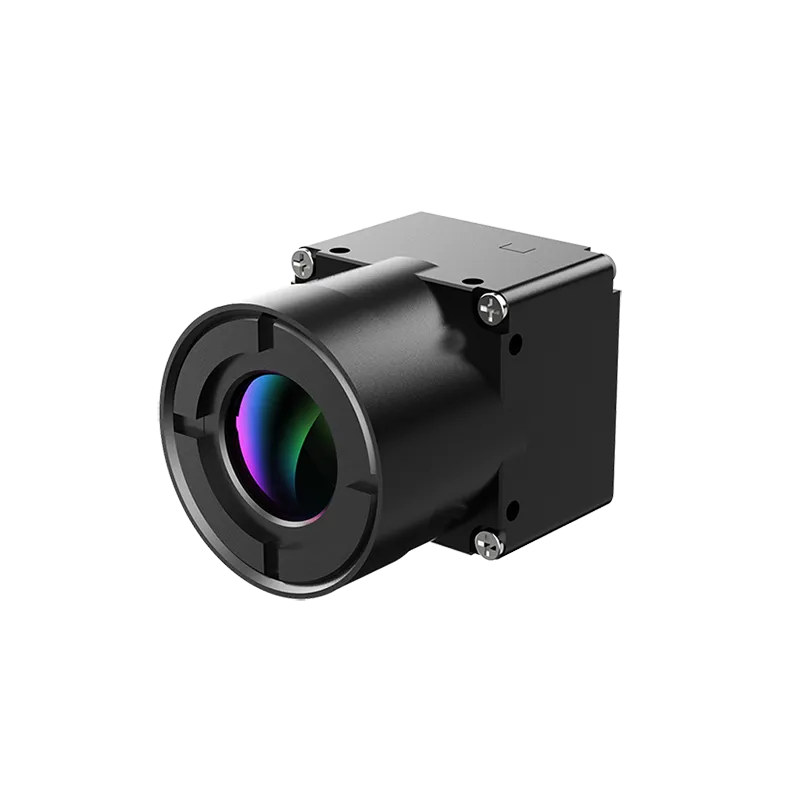
Detector resolution sets thermal camera price more than any other factor. Larger sensor dies, finer pixel pitch, lower yields, sharper lenses, heavier processing, calibration time and packaging all scale with pixel count. Volume, interface and market conditions adjust the final figure.
In 2026, 256×192 modules anchor the entry band, 384×288 sits just above, 640×512 defines mainstream pricing and 1280×1024 commands the premium tier. Lens, temperature features and quantity move every quote. Five manufacturers hold roughly 90% share, so suppliers keep pricing influence.
Buyers asking how much does a thermal camera module cost should match resolution to the application first, then trim cost elsewhere. An oem team that defines needs early can send a solid rfq.
Key Takeaways
Resolution is the biggest factor in thermal camera module price. Higher resolution means larger sensors, finer pixels, and lower production yields, which all raise cost.
Lens choice strongly affects price. Long-range lenses and special materials like germanium add significant cost, while standard lenses keep prices down.
Match resolution to your actual needs. Many applications work well with lower resolutions like 256×192 or 384×288, saving money without losing useful detail.
Send a detailed RFQ to suppliers. Include resolution, lens, interface, and order volume to get accurate pricing and avoid surprises.
Standardize on common interfaces and catalog lenses to reduce costs. Avoid unnecessary features like temperature measurement if your product doesn’t need them.
Thermal Camera Price by Resolution Tier
Four Tiers at a Glance
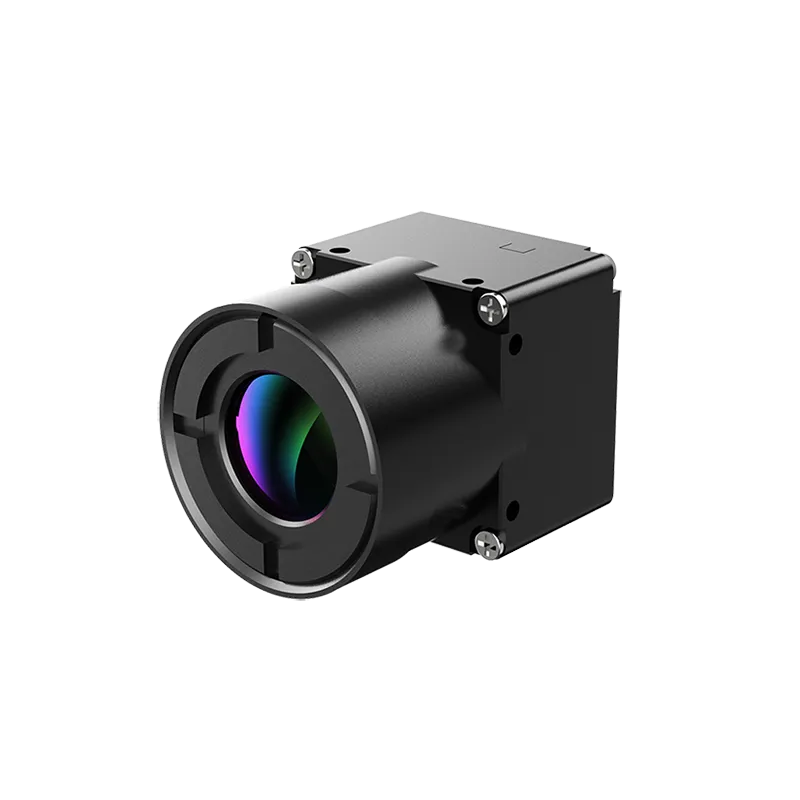
The market organizes thermal camera modules into four resolution tiers, and each tier carries a distinct position. The 256×192 tier serves as the entry-level baseline. These modules come in compact form factors, and they give OEM and bulk buyers an affordable starting point for 2026 procurement. The 384×288 tier sits just above as a mid-entry option. It offers more detail than the baseline without a large jump in spend. The 640×512 tier defines the mainstream. Most surveillance and inspection programs settle here. The 1280×1024 tier occupies the high-end position, where long-range detection and fine image detail justify the premium.
Higher resolution raises cost at every step. A larger pixel array demands a bigger detector die, tighter fabrication tolerances and stronger processing. Buyers who compare imaging-only modules against radiometric versions should also budget for a gap. Temperature measurement adds calibration time and test labor, so a radiometric module typically quotes above an imaging-only unit at the same resolution. The exact spread varies by supplier and feature set.
Indicative 2026 Price Bands
Exact figures shift with lens choice, interface, temperature measurement features and order volume. Treat any published band as approximate. For the 256×192 tier, entry pricing sits at the low end of the thermal camera price spectrum, and compact modules keep it there. The 384×288 tier adds a modest step up. Mainstream 640×512 pricing lands in the middle of the range. The 1280×1024 tier commands the top band. Where a supplier does not publish figures, contact for quote.
Market context shapes these bands. The thermal camera market was valued at USD 3.86B in 2025. Analysts project growth from USD 4.25B in 2026 to USD 9.24B by 2034. High concentration limits price competition. The top five manufacturers hold roughly 90% share, and that leverage gives major suppliers influence over pricing from 256×192 to 1280×1024. A procurement manager who understands this structure can time an rfq well and benchmark quotes across verified sources. Resolution remains the first variable to fix before any negotiation begins.
What Drives Thermal Imaging Camera Core Module Cost
Sensor Die Size, Pixel Pitch, and Yield
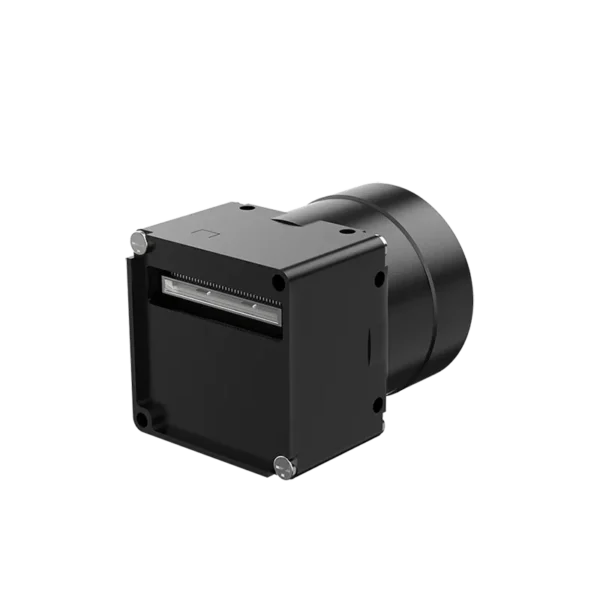
Detector hardware dominates the cost of any thermal imaging camera core module. Die size grows with pixel count, and a larger die consumes more of each wafer. Finer pixel pitch compounds the problem. A 12μm pitch at 1280×1024 demands tighter lithography and cleaner fabrication than a 256×192 array built on a coarser process. The uncooled lwir microbolometer platform adds its own burden, because every pixel needs consistent thermal isolation across the full array.
Yield rates follow the same curve. Larger dies catch more defects per wafer, and finer pitch narrows the process window. A fab that yields well on native 640×512 material may lose a meaningful share of 1280×1024 dies to dicing and test failures. Each lost die spreads its cost across the surviving units, so per-unit cost climbs faster than pixel count alone would suggest. This yield penalty explains much of the price gap between a 640×512 module and a 1280×1024 module.
Lens, Processing, Calibration, and Packaging
Optics scale with resolution too. A 1280 array resolves detail that a soft lens cannot deliver, so suppliers specify sharper, often more expensive glass. Processing power rises in step. Higher frame rates and denser arrays need stronger image pipelines, and that silicon adds cost. Calibration consumes test time at every tier. Non-uniformity correction runs on each unit, and temperature measurement features extend the bench session further. Packaging closes the list, with compact form factors and sealed housings adding material and assembly expense.
Software and data-integration costs stay relatively low against detector hardware across all tiers. Buyers comparing an imaging-only module with a radiometric version should expect a visible gap, because calibration and test labor push the radiometric unit higher at the same resolution.
The VERYTEK UVL12 Series illustrates the high-end tier. This oem thermal camera core pairs a 1280×1024 uncooled detector with 12μm pitch and 30Hz or 50Hz output. It runs on low power, offers analog HD plus digital and Ethernet outputs, and supports optional solar burn protection, zoom lens control and auto-focus. Security, industrial inspection and scientific research programs form its natural fit. Buyers seeking production-ready uncooled lwir solutions should weigh it against other 1280-class options and pick whichever matches their lens, interface and volume needs. An oem thermal camera cores shortlist rarely stops at one candidate, and a clear rfq helps suppliers respond with accurate pricing.
Cost Factor Comparison Across Resolutions
Side-by-Side Cost Drivers
Each cost factor scales differently as pixel count rises. The table below summarizes the direction and relative weight of that scaling across the four tiers.
Cost Factor | 256×192 | 384×288 | 640×512 | 1280×1024 |
|---|---|---|---|---|
Detector die size | Small | Moderate | Large | Largest |
Pixel pitch difficulty | Low | Low to moderate | Moderate | High |
Yield pressure | Low | Moderate | Moderate to high | Highest |
Lens demands | Standard optics | Standard optics | Sharper optics | Premium optics |
Processing power | Basic | Basic to moderate | Moderate | High |
Calibration time | Short | Short to moderate | Moderate | Longest |
Packaging | Compact, simple | Compact | Standard | Complex, sealed |
Die size and yield pressure climb together, and they carry the heaviest weight in any quote. Lens and processing costs follow, then calibration and packaging. A 384×288 module sits close to the 256×192 baseline on most rows, which keeps its thermal camera price modest. The 640×512 tier marks the first real step change in optics and processing. The 1280×1024 tier concentrates every factor at its peak.
Reading the Comparison for Your Application
The table works as a filter, not a ranking. A buyer should start with the rows that dominate the application. Long-range detection leans on lens quality and processing, so those rows matter most. A compact handheld product leans on packaging and power, where the lower tiers hold an advantage. Cost-sensitive programs often find that a 256×192 or 384×288 module meets every requirement, and the extra resolution buys nothing the user will see.
A clear rfq lists resolution, lens, interface and volume, and it lets suppliers price each factor honestly. Buyers who match the tier to the task avoid paying for capability the product never uses.
Lens Impact on Module Price
Focal Length and Field of View Trade-offs
Focal length is a major cost driver, and procurement managers should budget for it early. A long focal length narrows the field of view and pushes the lens design toward larger elements and tighter tolerances. That step raises the lens share of module cost well above the detector share in some builds. A wide field of view needs shorter focal lengths and smaller optics, which keeps lens cost down.
The effect compounds across tiers. A 256×192 module pairs well with a short, simple lens, and the optics add little to the total. A 640×512 module often needs a sharper lens to use its extra detail, so the optics line grows. At 1280×1024, a long-range lens becomes a premium item, and it can rival the detector in cost. Buyers should state the required detection distance and field of view in the rfq, because those two numbers set the lens class.
Lens Material and Athermalization Costs
Material choice moves the price too. Germanium remains a common infrared lens material, and it carries a high raw material cost. Alternatives such as chalcogenide glass or molded options can lower the material bill, though each brings its own trade-offs in transmission and durability. A buyer who accepts a standard lens catalog part usually pays less than one who orders custom optics.
Athermalization adds another layer. Infrared lens focus shifts as temperature changes, so suppliers build compensation into the housing or the optical design. That engineering work raises cost, and it matters most for outdoor and wide-temperature programs. Standard lenses with proven athermal designs reduce cost versus custom optics, and they shorten lead time. Buyers should weigh that saving against any loss of optical flexibility.
Resolution Fit and Compliance for OEM Buyers
Matching Resolution to Use Cases
Application requirements should drive the resolution choice, not the other way around. The 256×192 tier fits compact, cost-sensitive products. Handheld spot checkers, doorbell cameras and small IoT sensors fall into this group, and the small module size keeps enclosure design simple. The 384×288 tier suits buyers who need a little more detail at a modest step up in price. Mid-range inspection tools and entry surveillance units often land here.
The 640×512 tier carries mainstream surveillance and industrial inspection work. A 640×512 module balances detail, frame rate and cost, so many oem thermal camera programs standardize on it. The 1280×1024 tier serves long-range detection and high-detail imaging. Border monitoring, scientific measurement and wide-area security systems need that pixel count. Each tier fits its own job well, and thermal imaging camera oem selection starts with an honest look at the detection distance and detail the product must deliver.
Certification and Tender Requirements
Regulatory approval shapes the shortlist. Most markets require CE marking, and US-bound products need FCC authorization. RoHS compliance applies across the European Union. Buyers building oem industrial thermal hardware should confirm that the module carries the certificates their target market demands, because retrofitting compliance after design freeze adds cost and delay.
Government and infrastructure tenders add another layer. Multi-lane ANPR projects and public security programs often name preferred OEMs in the specification. That preference creates bulk demand, and bulk demand moves negotiated pricing. A buyer who plans oem integration around a tender should confirm the named supplier early, then submit a detailed rfq with resolution, lens, interface and volume. Early engagement gives the supplier room to quote competitive pricing and protect the delivery schedule.
Cost Optimization for OEM Industrial Thermal Hardware
Reducing BOM with Standard Optics and Interfaces
Smart procurement starts with the lowest resolution that meets the requirement. A buyer who specifies 1280×1024 for a handheld spot checker pays for detail the user never sees. Matching resolution to the task trims detector spend, lens spend and processing spend at once.
Standardization carries the next saving. Catalog lenses cost less than custom optics, and a common lens mount across product lines cuts tooling and inventory. A single interface standard, such as USB or Ethernet, simplifies board design and shortens oem integration work. Buyers should also skip temperature measurement features the product does not need, because radiometric calibration adds test time to every unit. These choices improve size, weight, power, and cost together.
Volume Pricing and Lead Times
Suppliers typically set volume tiers, and pricing drops as purchase quantity crosses each threshold. Custom work carries non-recurring engineering fees, so buyers should confirm whether a quote includes NRE or bills it separately. Total cost of ownership deserves equal weight. Add integration labor, driver development and after-sales support to the unit price before comparing thermal camera modules from different sources.
Lead-time planning protects the schedule. Buyers should benchmark MOQ across verified thermal camera suppliers oem rfq checklist in hand, then confirm allocation early. AI-driven demand growth tightens supply, and sensor technology advancement shifts availability between tiers. A procurement manager who asks how much does a thermal camera module cost should request a formal rfq with resolution, lens, interface and volume specs. That single step gives an accurate 2026 pricing picture for any oem industrial thermal hardware program.
Resolution drives thermal camera price above all else. Lens choice, temperature measurement features, interface, market concentration and order volume still shift every quote from 256×192 to 1280×1024.
Buyers should define application requirements first, then pick the lowest resolution that meets them. Standard lenses and a common interface cut BOM cost. Volume and lead-time talks come last. An oem team that sends a clear rfq with resolution, lens, interface and volume specs gets accurate 2026 pricing in return.
FAQ
What factor moves module price the most?
Detector resolution leads. A larger die, finer pixel pitch and lower yield raise cost faster than pixel count alone suggests. Lens, processing, calibration and packaging then add their share. Volume and interface adjust the final figure.
Can a lower resolution tier meet a demanding application?
Often, yes. A 256×192 or 384×288 module covers compact, cost-sensitive products well. Buyers should state the detection distance and detail the product must deliver. Many programs find the lower tier meets every requirement, and the extra pixels buy nothing visible.
How much of the price comes from the lens?
It varies by build. A short focal length with a wide field of view keeps optics cheap. A long-range lens at 1280×1024 can rival the detector in cost. Standard catalog lenses with proven athermal designs cost less than custom optics.
How does a buyer get accurate 2026 pricing?
Send a formal rfq with resolution, lens, interface and volume. Suppliers price each factor honestly against that detail. Buyers should benchmark MOQ across verified thermal camera suppliers oem rfq checklist in hand, then confirm allocation early. Careful oem integration planning and clear oem requirements shorten the quote cycle.
See Also
Key Price Drivers For Thermal Camera Modules Across Resolutions For Oem Bulk Buyers 2026
Choosing High Resolution Thermal Imaging Camera Manufacturers For Oem Odm Projects
Thermal Camera Modules For Drones Uav Oem Selection Guide
Car Thermal Camera Wholesale Buying Guide For Distributors
Automotive Thermal Camera Oem Supply For Commercial Vehicle Integrators In India