
Canada’s geography presents some of the most demanding operating environments on earth for thermal sensing technology: sub-Arctic temperatures plunging below −40 °C, vast boreal forests where wildfire seasons are intensifying, oil sands and pipeline infrastructure stretching thousands of kilometres through remote terrain, and mining operations in the Canadian Shield requiring 24/7 safety surveillance in conditions that defeat optical cameras. The thermal monocular — and the LWIR detector module at its core — is the sensing solution that addresses all of these environments in a single compact form factor. As explained by thermographic camera fundamentals, LWIR imaging detects heat signatures independent of visible light, fog, smoke, and darkness — exactly the conditions that define Canada’s most challenging industrial and environmental monitoring scenarios.
According to MarketsandMarkets’ infrared imaging market research, energy sector and industrial safety applications are among the primary drivers of LWIR module demand in North America. For Canadian tactical equipment distributors, energy sector integrators, and drone platform manufacturers sourcing the core LWIR module for a thermal monocular, Verytek’s UVR Series provides the cold-rated, high-sensitivity specifications that Canada’s toughest conditions demand.
Thermal Monocular Technology Built for Canadian Extremes
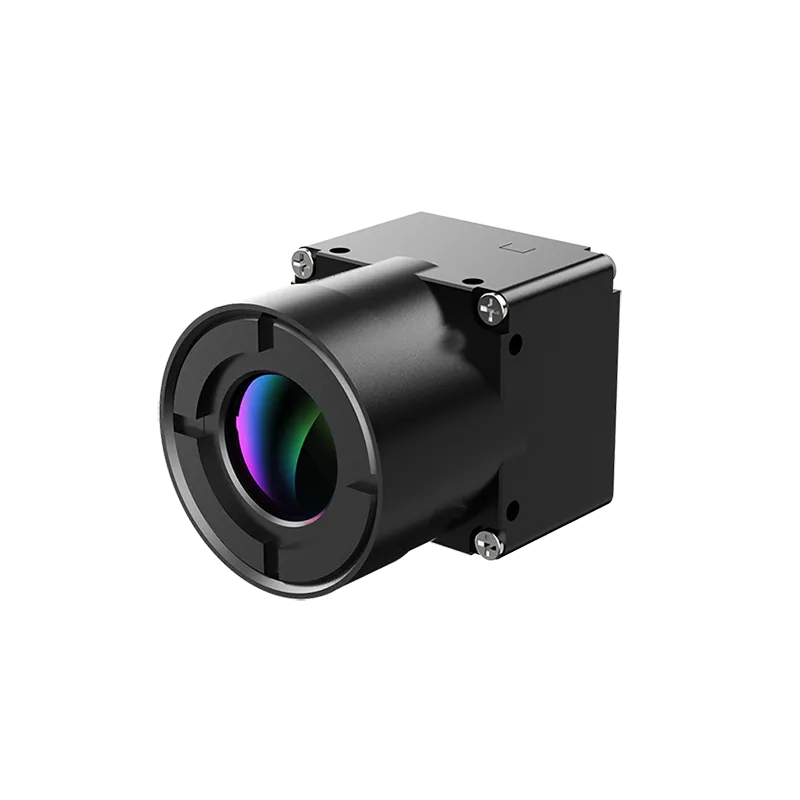
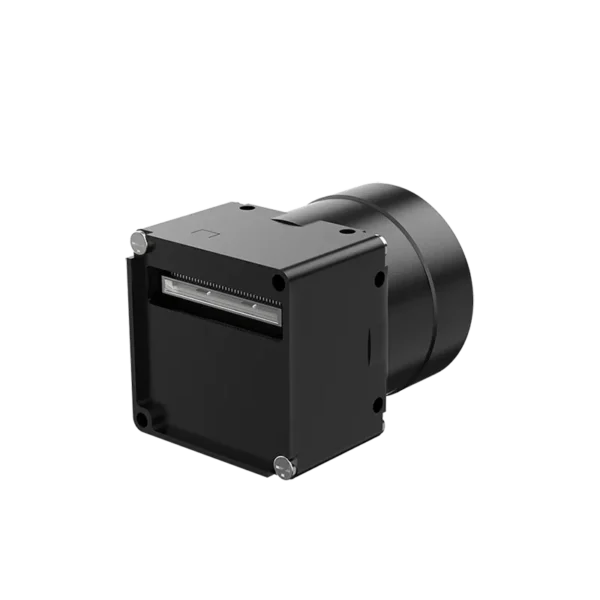
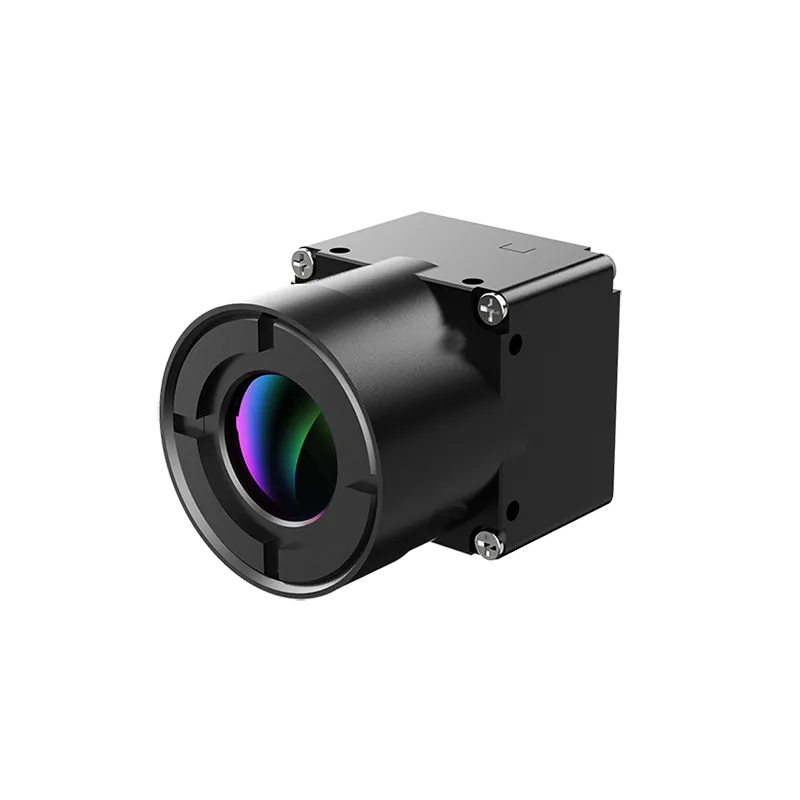
The vanadium oxide microbolometer focal plane array in Verytek’s UVR Series is rated for operation from −40 °C to +80 °C — a range that covers Canada’s most extreme deployment environments, from Yukon winters to Alberta summer oilfield operations. The 12 μm pixel pitch delivers NETD ≤ 40 mK sensitivity, enabling thermal monoculars to detect the faint temperature differentials produced by buried pipeline insulation failures and the early smoke plumes of emerging boreal wildfires.
Why UVR Series Modules Suit Canadian Thermal Monocular Applications
- −40°C cold-start rated: operates reliably in Yukon and Northwest Territories winter conditions without pre-heating delays that affect mission readiness.
- Low power draw: <0.35–0.7 W enables solar- or battery-powered remote monitoring nodes along pipeline corridors and in off-grid mining camp perimeter systems.
- 80 g shock / 6.06 g vibration tolerance: survives helicopter deployment and all-terrain vehicle mounting common in Canadian resource sector field operations.
- Shutterless algorithm: continuous imaging without blackout — essential for wildfire drone patrols where uninterrupted coverage is critical to early ignition detection.
- Compact 21×21×10.3 mm footprint: integrates into ruggedised portable thermal monoculars designed for Canadian field conditions.
Key Thermal Monocular Applications: Pipeline, Wildfire, and Mining
Oil Pipeline Inspection
Canada operates over 840,000 km of pipelines — the longest network in the world — carrying oil, gas, and refined products across terrain that includes permafrost, river crossings, and dense boreal forest. Aerial thermal inspection using drone-mounted LWIR payloads is increasingly the preferred method for detecting insulation failures, ground subsidence creating pipe stress, and hydrocarbon seeps at the surface. FLIR’s oil and gas thermal inspection solutions document the sensitivity specifications required for reliable pipeline anomaly detection. The UVR6 (640×512, NETD ≤ 40 mK) mounted on a fixed-wing UAV delivers the resolution and sensitivity needed to survey hundreds of kilometres per day, identifying thermal anomalies along buried pipeline routes that ground inspections would take weeks to cover. The module’s MIPI CSI-2 interface enables connection to edge-AI platforms that can automatically classify detected anomalies and geotag inspection findings.
Wildfire Monitoring
Canada’s wildfire seasons have intensified dramatically, with 2023 setting a record for area burned. Drone-based thermal monoculars enable early fire detection through dense smoke that prevents optical cameras from capturing ignition signatures. A thermal payload built around the UVR3 (384×288, 30/60 Hz, shutterless) can detect an emerging hot spot at over 800 m altitude, providing early warning that allows ground crews to reach the ignition point before the fire spreads. The module’s shutterless correction algorithm ensures no frame is lost to NUC blackout during continuous patrol flights — a mission-critical requirement when covering remote boreal terrain. Mordor Intelligence’s uncooled infrared imaging market identifies wildfire monitoring as one of the fastest-growing applications for drone thermal payloads in North America.
Mining Site Safety and Arctic Surveillance
Canada’s mining sector — spanning gold, copper, nickel, uranium, and diamond operations across the Canadian Shield and sub-Arctic — requires continuous safety monitoring in low-visibility underground and surface environments. Thermal monoculars enable mine safety officers to detect personnel in haze and darkness, identify electrical hotspots in underground switchgear, and monitor tailings pond perimeters around the clock. For Arctic infrastructure surveillance — covering remote stations, fuel depots, and communications installations in northern territories — fixed thermal cameras built around UVR Series modules provide reliable imagery in conditions of −40 °C, heavy snowfall, and complete polar darkness. Hikvision’s mining sector security documentation illustrates the LWIR core integration approach used in similar environments. InfraTec’s industrial thermography resources provide additional reference for integrators designing safety systems for hazardous industrial environments.
Choosing the Right Thermal Monocular Module for Canadian Deployments

The table below provides the complete UVR Series specification baseline from Verytek’s official product page. Canadian procurement teams should map variant selection to their application’s resolution, power, and interface requirements before committing to volume orders.
| Model | Resolution | Frame Rate | Pixel Pitch | NETD | Power (USB @25°C) | Weight (w/o lens) | Dimensions |
|---|---|---|---|---|---|---|---|
| UVR6 | 640×512 | 30/60 Hz | 12 μm | ≤40 mK | <0.7 W | — | 21×21×10.3 mm |
| UVR3 | 384×288 | 30/60 Hz | 12 μm | ≤40 mK | <0.42 W | <8.6 g | 21×21×10.3 mm |
| UVR2 | 256×192 | 25/50 Hz | 12 μm | ≤40 mK | <0.35 W | <7 g | 21×21×10.3 mm |
Recommended UVR Module by Canadian Application
- Pipeline aerial inspection: UVR6 (640×512) via MIPI CSI-2 for maximum resolution; shutterless correction for continuous automated flight logging.
- Wildfire patrol UAV: UVR3 (384×288) for balanced SWaP and detection sensitivity; USB 2.0 or MIPI for onboard AI smoke detection integration.
- Mining / Arctic fixed camera: UVR6 or UVR3 via DVP/BT656 for legacy SCADA integration; low power enables solar-backed off-grid operation.
- Portable handheld thermal monocular: UVR2 (<7 g, <0.35 W) for compact battery-operated field units; UART/I2C for MCU-based device control.
For technical standards applicable to thermal imaging instruments used in Canadian energy and mining procurement frameworks, Guide Infrared’s thermal imaging knowledge base provides useful reference material for engineering teams. Verytek UVR Series modules have been delivered in volume and validated in mass-production UAV and industrial platforms globally, giving Canadian OEMs and procurement teams the supply-chain confidence needed for government infrastructure tenders and resource-sector contract bids. Competitive pricing is available for volume orders; contact us for details on sample evaluation kits, lead times, and technical support packages tailored to Canadian project timelines.
Source Durable Thermal Monoculars for Canada’s Toughest Conditions
Whether you are building pipeline inspection UAV payloads, wildfire early-warning systems, or Arctic mining safety equipment, Verytek’s UVR Series LWIR modules deliver the cold-rated, high-sensitivity performance Canadian industrial applications demand.
Visit the Verytek UVR Series thermal imaging module page for full specifications, or contact VERYTEK today to source durable thermal monoculars tailored for Canada’s toughest conditions.