
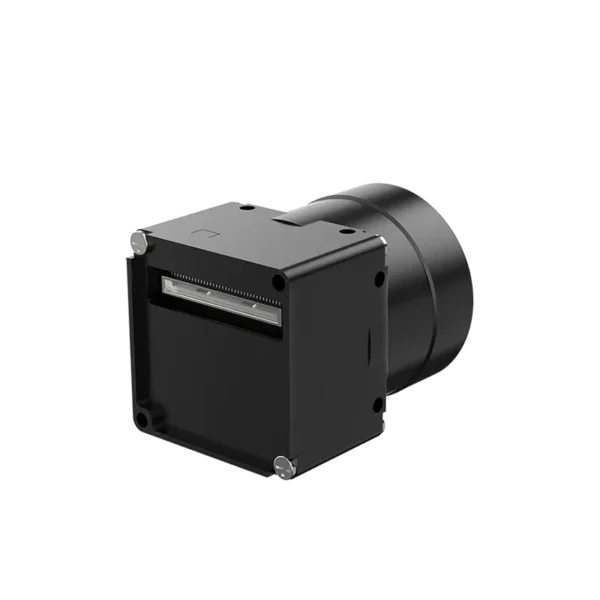
Australia’s unique combination of extreme fire weather, vast agricultural landholdings, geographically dispersed mining operations, and an extensive coastline creates a multi-sector demand for field-deployable thermal monocular technology that operates reliably in heat, dust, and smoke. The LWIR detector module at the core of every thermal monocular is what makes this possible: by detecting heat signatures in the 8–14 μm infrared band rather than visible light, it delivers imagery unaffected by smoke, darkness, or harsh solar glare. As described in thermographic camera technology, passive LWIR sensing provides a fundamentally different and complementary information layer to optical cameras — one that Australia’s bushfire, agriculture, and mining industries increasingly rely on.
The global infrared imaging market identifies Asia-Pacific — led by Australia in the industrial safety and agricultural tech segments — as a high-growth region for uncooled LWIR module adoption. Verytek’s UVR Series LWIR modules are the sensing core for OEMs and system integrators building thermal monoculars and drone payloads for Australia’s growing drone inspection, agri-tech, and mining safety sectors.
Thermal Monocular Technology: LWIR Modules for Australian Field Conditions
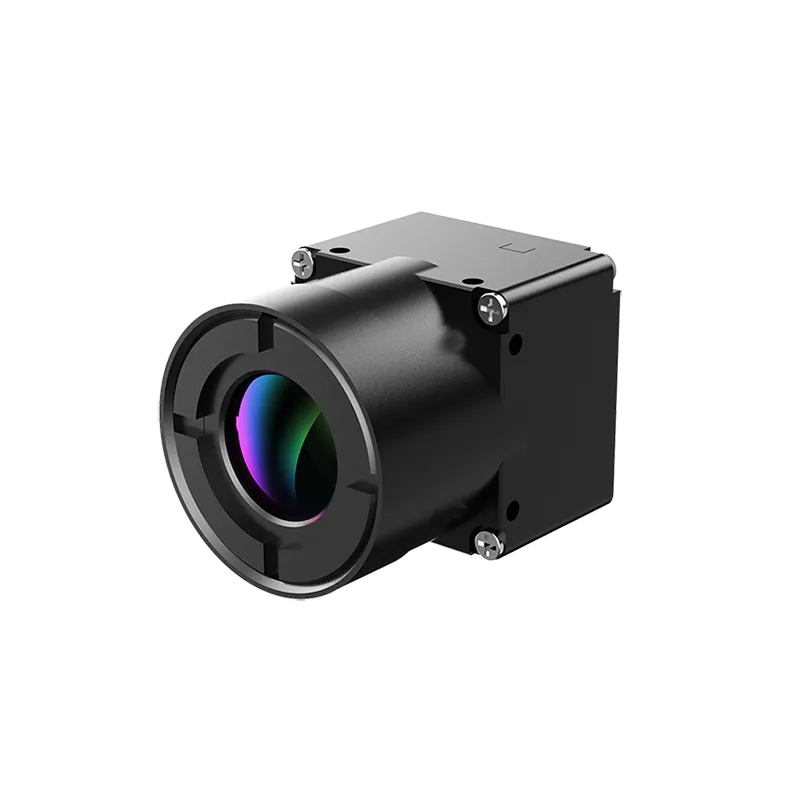
The vanadium oxide microbolometer design in Verytek’s UVR Series achieves NETD ≤ 40 mK sensitivity at 12 μm pixel pitch, operating across the −40 °C to +80 °C temperature range. Australia’s thermal monocular deployment environments span both extremes: Western Australian mining sites regularly reach 45–50 °C in summer, while alpine and high-altitude monitoring sites can reach −15 °C. The 80 g shock and 6.06 g vibration tolerance qualify UVR modules for helicopter-deployed, all-terrain vehicle-mounted, and UAV-borne platforms used across Australia’s remote terrain.
Key UVR Series Advantages for Australian Thermal Monocular Applications
- +80°C maximum operating temperature: sustains reliable imaging during Australian summer field operations where ambient temperatures exceed 45 °C and equipment housing temperatures are higher.
- Shutterless algorithm: no NUC blackout during continuous flight — vital for bushfire detection drones patrolling large areas overnight when ignition probability is highest.
- Compact SWaP profile: 21×21×10.3 mm and <8.6 g enable integration into lightweight drone payloads suited to Australia’s long-endurance agricultural and fire monitoring UAV platforms.
- Multiple interfaces: USB 2.0, MIPI CSI-2, DVP/BT656, UART/I2C — supports Australian agri-tech startups using Raspberry Pi platforms and established mining OEMs using FPGA-based industrial electronics.
Bushfire Early Warning and Agricultural Monitoring Applications
Bushfire Early Warning Drones
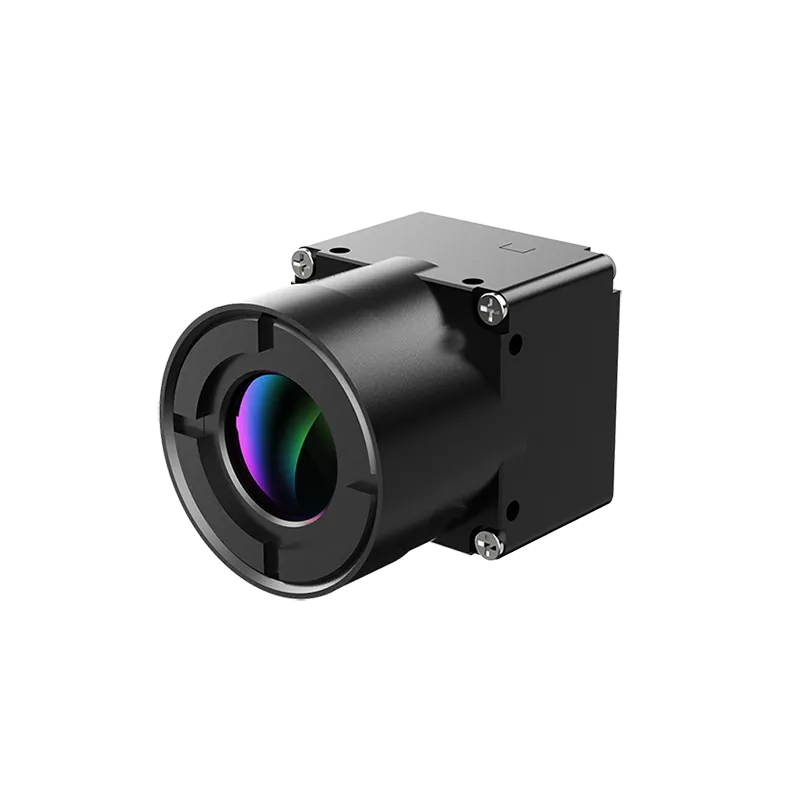
Australia’s 2019–20 Black Summer fires burned over 18 million hectares and demonstrated the catastrophic cost of delayed early detection. Drone-mounted thermal monoculars operating through smoke and darkness provide the earliest ignition warning currently achievable, capable of detecting a smouldering hotspot from over 800 metres altitude. The UVR3 (384×288, 30/60 Hz, shutterless) is the preferred module for long-endurance fire patrol drones — its <0.42 W power draw extends battery-powered flight time, and the shutterless correction ensures uninterrupted thermal video over multi-hour overnight patrols. Research at Australian universities and the CSIRO has confirmed that drone-based thermal detection provides earlier warning than ground-based systems for remote terrain ignitions, with ongoing national programs expanding thermal drone fleets. FLIR’s drone thermal imaging resources describe the frame rate and sensitivity requirements for aerial fire detection that UVR Series modules meet. For drone operators within Australia’s airspace, the equivalent of EASA’s UAS regulatory framework governs the operational parameters within which thermal drone payloads must perform in comparable markets.
Agricultural Pest and Livestock Monitoring
Australia’s agricultural sector operates at continental scale — cattle stations exceeding one million hectares, grain farms across the wheat belt, and horticulture operations demanding precision crop health monitoring across thousands of hectares. Thermal monoculars mounted on agricultural UAVs detect feral animal intrusions, monitor livestock location and health through body temperature mapping, and identify irrigation system failures through soil moisture temperature differentials. The UVR2 (256×192, <7 g, <0.35 W) provides the lowest SWaP option for multi-sensor agri-drone payloads where battery endurance is the primary constraint. Its UART/I2C interface integrates with the agricultural IoT microcontrollers used by Australian agri-tech companies. InfraTec’s thermography application documentation covers the agricultural thermal sensing methodology applicable to these deployments.
Mining Site Safety and Coastal Surveillance
Australia’s mining sector — the world’s largest exporter of iron ore, coal, and lithium — operates processing facilities, open-pit operations, and remote camp infrastructure that require 24/7 thermal monitoring for fire detection, perimeter security, and equipment health management. Thermal monoculars integrated into fixed camera towers and patrol drone platforms provide reliable imagery under the dusty, smoke-hazy conditions common on mine sites. The UVR6 (640×512, 30/60 Hz) delivers the high resolution required for equipment anomaly detection at the standoff distances used in open-pit environments. Hikvision’s mining sector safety solutions describe the LWIR integration approach in comparable mining security deployments.
For Australia’s coastal surveillance mission — protecting 25,700 km of coastline encompassing fisheries protection zones, marine reserve boundaries, and border approaches — the combination of UVR6 resolution and night-capable thermal detection provides authorities with persistent awareness that optical systems cannot deliver in pre-dawn darkness. Mordor Intelligence’s uncooled infrared imaging market analysis confirms that border and coastal surveillance is among the most reliably growing government application segments for thermal LWIR modules in the Asia-Pacific region.
Choosing the Right Thermal Monocular Module for Australian OEMs
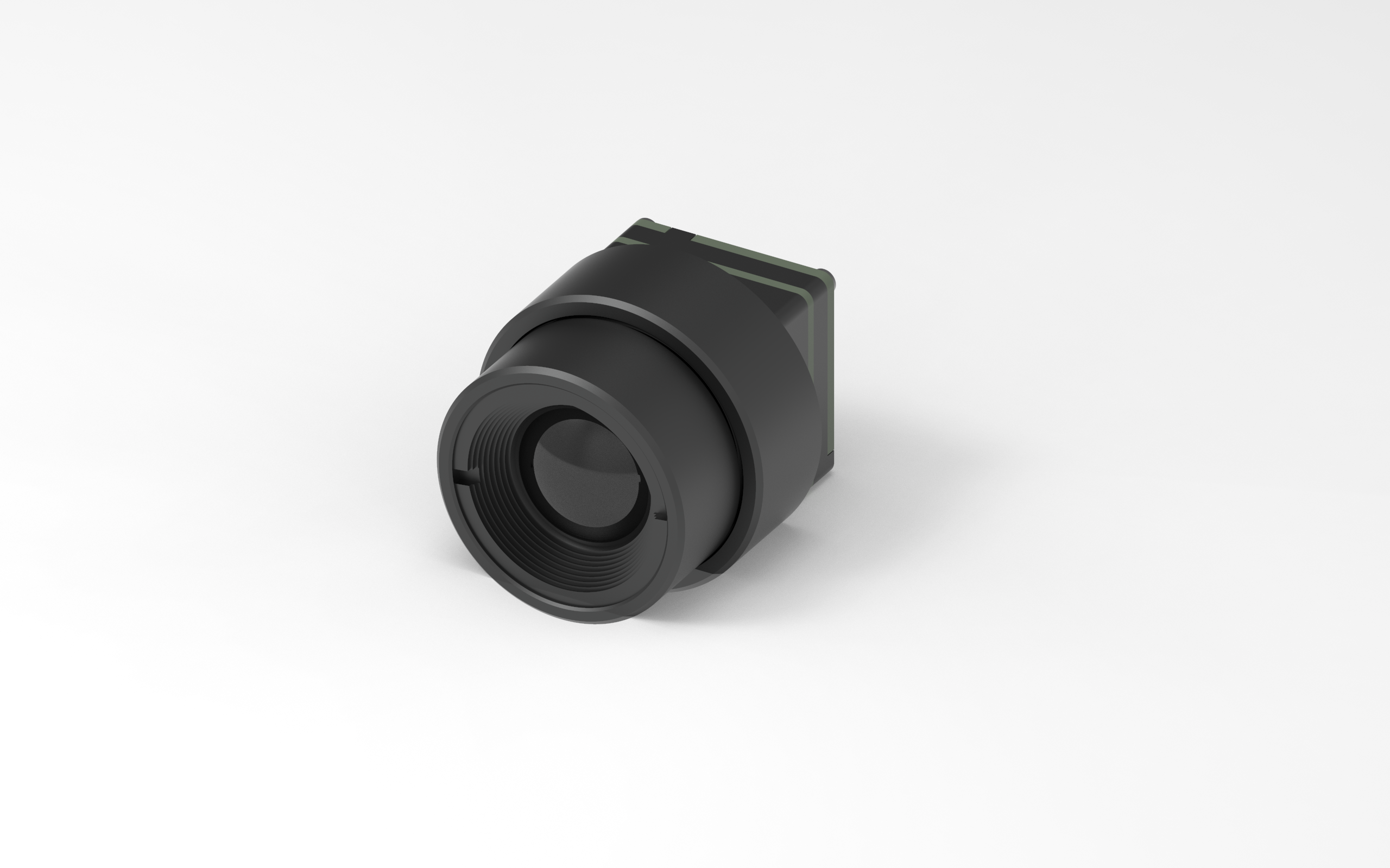
The complete UVR Series specification table, sourced from Verytek’s official product page, provides the authoritative data for Australian procurement and integration decisions.
| Model | Resolution | Frame Rate | Pixel Pitch | NETD | Power (USB @25°C) | Weight (w/o lens) | Dimensions |
|---|---|---|---|---|---|---|---|
| UVR6 | 640×512 | 30/60 Hz | 12 μm | ≤40 mK | <0.7 W | — | 21×21×10.3 mm |
| UVR3 | 384×288 | 30/60 Hz | 12 μm | ≤40 mK | <0.42 W | <8.6 g | 21×21×10.3 mm |
| UVR2 | 256×192 | 25/50 Hz | 12 μm | ≤40 mK | <0.35 W | <7 g | 21×21×10.3 mm |
Recommended UVR Module by Australian Thermal Monocular Application
- Bushfire patrol UAV: UVR3 (384×288, shutterless) via USB 2.0 or MIPI; low power extends overnight battery endurance on long patrol routes.
- Agricultural multi-sensor drone: UVR2 (<7 g, <0.35 W) via UART/I2C for MCU-controlled agri-IoT platforms; MIPI for SoC-based precision agriculture computers.
- Mining site fixed thermal camera: UVR6 via DVP/BT656 for SCADA integration; <0.7 W supports solar-backed power in remote mine site deployments.
- Coastal / border surveillance drone: UVR6 via MIPI CSI-2 for NVIDIA Jetson AI video analytics; high resolution for long-range maritime target identification.
Verytek UVR Series modules have been delivered in volume and validated in mass-production UAV and industrial platforms globally, providing the supply chain reliability that Australian OEMs require for product development programmes and government tender submissions. For technical guidance on thermal imaging module standards applicable to Australian industrial and safety procurement, Guide Infrared’s thermal imaging knowledge base is a useful reference for engineering teams.
“The UVR series delivers a balanced combination of performance, compact size, light weight, low power consumption, and cost efficiency — fully compliant with SWaP requirements for airborne platforms.” — Verytek Product Documentation
Source Rugged Thermal Monoculars for Australian Industries from VERYTEK
Whether you are designing bushfire detection UAVs, agricultural pest monitoring drones, mining safety cameras, or coastal surveillance platforms, Verytek’s UVR Series LWIR modules are the sensing core your product needs.
Explore full specifications and contact us at the Verytek UVR Series thermal imaging module page. Contact VERYTEK today to source rugged thermal monoculars tailored for Australian industries.