
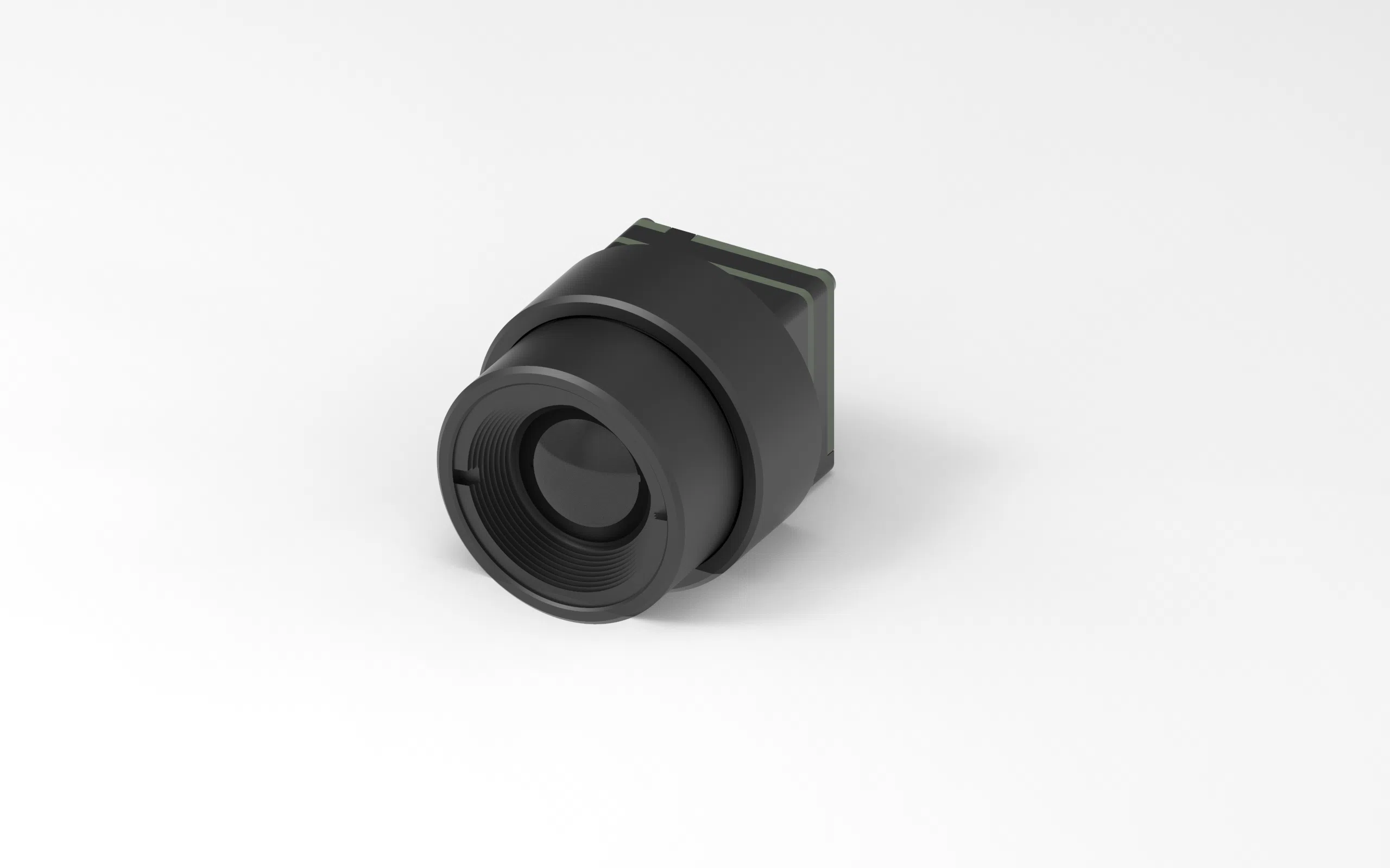
Germany’s engineering culture, strict building energy efficiency regulations, world-class industrial automation sector, and rapidly expanding solar energy base collectively drive one of Europe’s strongest B2B demands for thermal monocular and LWIR inspection technology. From thermographic surveys mandated by Germany’s building energy code to predictive maintenance routines in Bavarian automotive factories and solar O&M across gigawatt-scale PV parks, the quality of the LWIR detector module at the core of every thermal monocular determines how reliably and cost-effectively these inspections can be performed. According to MarketsandMarkets, the infrared imaging market in Europe is expanding at a strong CAGR, with Germany’s industrial and energy efficiency sectors among the primary demand drivers.
Verytek’s UVR Series LWIR modules are the sensing core designed for OEMs and system integrators building thermal monoculars and handheld inspection devices for Germany’s professional markets. This guide covers the four major application areas and the module-level specifications that German procurement managers need to evaluate. Technical context on thermographic camera fundamentals is provided by Wikipedia’s thermographic camera overview.
Thermal Monocular Technology: LWIR Modules for German Industrial Standards
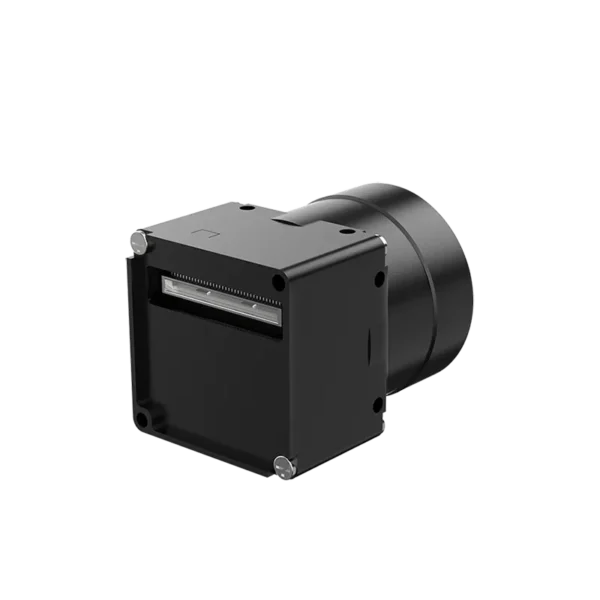
German industrial procurement sets a high bar for sensing module quality — one that the Verytek UVR Series meets through its vanadium oxide microbolometer focal plane array with 12 μm pixel pitch and NETD ≤ 40 mK at 25 °C, F#1.0. These specifications position the UVR Series at the performance tier required for professional building thermography, industrial predictive maintenance, automotive thermal testing, and solar O&M — all sectors where insufficient sensitivity produces false negatives that result in missed defects and costly re-inspections.
Why 12 μm Pixel Pitch Matters for German Thermal Monocular Applications
- Compact optical design: 12 μm pitch requires smaller lens diameters than legacy 17 μm designs, enabling lighter handheld thermal monoculars suited to full-day surveyor use.
- High sensitivity at low power: NETD ≤ 40 mK at <0.7 W (UVR6) — critical for battery-operated handheld devices used in building surveys where mains power is unavailable.
- Wide temperature range: −40°C to +80°C covers Germany’s climate extremes, from Bavarian winter factory inspections to summer solar farm O&M.
- Volume production validated: mass-production track record in UAV and industrial platforms ensures batch-to-batch consistency required for German OEM quality management systems.
Applications: Building Energy Efficiency and EnEV Compliance
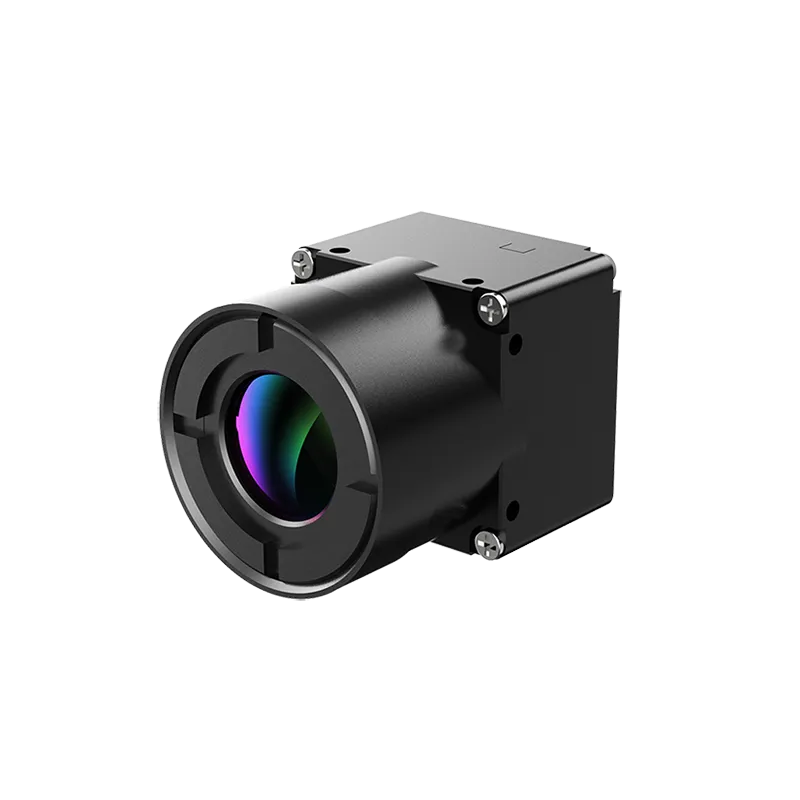
Germany’s Gebäudeenergiegesetz (GEG) — the successor to EnEV — requires building owners to demonstrate energy efficiency compliance, and thermographic surveys using handheld thermal monoculars are the established method for identifying heat loss through building envelopes, thermal bridges, and air infiltration paths. FLIR’s energy audit documentation outlines the sensitivity and resolution requirements for professional building thermography: at minimum, NETD < 50 mK and resolution of at least 320×240 pixels. The UVR3 (384×288, ≤40 mK) exceeds both thresholds, giving German OEMs building thermography instruments a competitive specification baseline at a compact 21×21×10.3 mm module footprint.
For building energy consultancies and construction firms sourcing OEM-built thermal monoculars, the UVR3 and UVR6 modules also enable integration with automated reporting software via USB 2.0, streamlining the compliance documentation workflow that German building regulations require. Market context on the industrial thermal imaging segment is provided by InfraTec’s industrial thermography documentation.
Industrial Automation and Automotive R&D Use Cases
Germany’s industrial automation cluster — encompassing machinery builders in Baden-Württemberg, automotive OEMs in Bavaria, and chemical plant operators along the Rhine — uses thermal monoculars and fixed thermal cameras for predictive maintenance of motors, switchgear, conveyor systems, and process pipelines. The uncooled infrared imaging market analysis confirms that industrial predictive maintenance is one of the largest and most stable demand segments for thermal sensing modules in developed industrial economies like Germany. The UVR Series’ DVP/BT656 and USB 2.0 interfaces integrate directly with industrial SCADA terminals and embedded edge computing platforms common in German factory floor deployments.
For automotive R&D applications — thermal testing of powertrain components, battery thermal management validation in EV prototypes, and ADAS sensor testing — the UVR6 (640×512, 60 Hz) provides the frame rate and resolution combination required for dynamic thermal event capture. The MIPI CSI-2 interface enables direct connection to automotive-grade SoC platforms used in German prototype testing rigs. Technical standards for industrial infrared thermography instruments, including calibration protocols, are referenced in IEEE Spectrum’s industrial inspection coverage.
Solar Panel Inspection: Improving O&M Efficiency with Thermal Monoculars
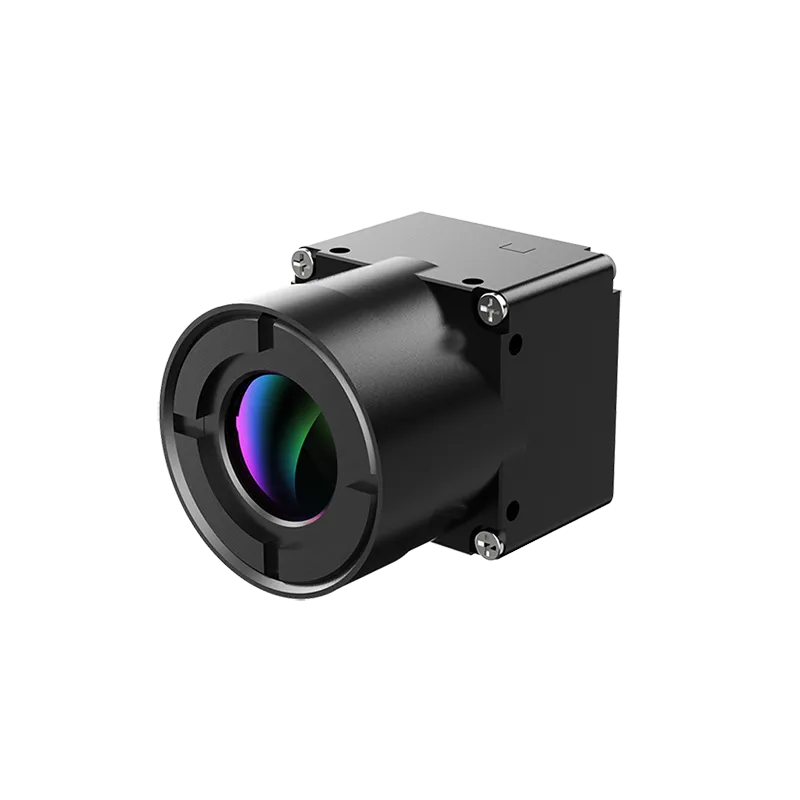
Germany installed over 90 GW of solar PV capacity by 2025, and thermographic inspection of panels — to detect hotspots, bypass diode failures, and cell cracking — is now standard maintenance practice. Drone-mounted thermal monoculars built around UVR6 modules can survey large PV arrays at 30/60 Hz, ensuring no panel defect is missed between NUC intervals. Guide Infrared’s thermal knowledge base describes the inspection sensitivity requirements for reliable solar fault detection, which align with the UVR Series’ NETD ≤ 40 mK specification. The shutterless algorithm ensures blackout-free imaging during automated drone passes — a key differentiator for German solar O&M service providers competing on coverage speed and defect detection rate.
For German engineering firms sourcing LWIR modules for solar inspection drone platforms, the UVR Series’ MIPI CSI-2 interface enables integration with the NVIDIA Jetson platforms used in AI-powered fault classification systems. Contact us for pricing details and volume supply terms; specific commercial conditions are available upon request. Market data from Mordor Intelligence’s uncooled infrared imaging report confirms Germany’s solar O&M inspection segment as one of Europe’s highest-growth thermal sensing applications.
For German procurement managers selecting UVR modules for thermal monocular integration projects, the following application-to-variant mapping covers the four primary use cases:
- Building EnEV thermography device: UVR3 (384×288, ≤40 mK) via USB 2.0; resolution and sensitivity exceed GEG compliance survey requirements.
- Industrial automation predictive maintenance: UVR6 (640×512, 60 Hz) via DVP/BT656 for SCADA integration; high frame rate captures dynamic thermal events in rotating machinery.
- Automotive R&D thermal testing: UVR6 via MIPI CSI-2 for NVIDIA Jetson AI platforms; 60 Hz enables dynamic powertrain and EV battery thermal event capture.
- Solar O&M inspection drone: UVR6 or UVR3 via MIPI; shutterless algorithm ensures 100% panel coverage per automated drone pass.
| Model | Resolution | Frame Rate | Pixel Pitch | NETD | Power (USB @25°C) | Weight (w/o lens) | Dimensions |
|---|---|---|---|---|---|---|---|
| UVR6 | 640×512 | 30/60 Hz | 12 μm | ≤40 mK | <0.7 W | — | 21×21×10.3 mm |
| UVR3 | 384×288 | 30/60 Hz | 12 μm | ≤40 mK | <0.42 W | <8.6 g | 21×21×10.3 mm |
| UVR2 | 256×192 | 25/50 Hz | 12 μm | ≤40 mK | <0.35 W | <7 g | 21×21×10.3 mm |
UVR Series Power Consumption (USB @25°C)
Contact VERYTEK Germany for Tailored Thermal Monocular Module Solutions
Whether you are building thermography instruments for EnEV compliance audits, predictive maintenance cameras for German factories, or solar inspection drone payloads, Verytek’s UVR Series delivers the LWIR sensing core your product requires.
Request a custom quote via the Verytek UVR Series thermal imaging module page, or contact our team for industry-specific technical consultation for your German market application.