
You work in some of the hardest places in Canada. Oil, mining, and Arctic areas have tough weather. There are blizzards, darkness, and far-away sites. These things make safety hard every day. You need good tools to keep workers and equipment safe. Thermal sensor technology, like the Verytek UVR series, helps warn you early about dangers. With UAV and remote monitoring, you see risks sooner. This helps you keep your work safe, even in harsh places.
Key Takeaways
Thermal sensors give clear pictures in bad weather. They help you see dangers early. This keeps your team safe.
UAVs with thermal sensors let you watch from far away. Workers do not have to go into dangerous places as much.
Thermal sensors send alerts right away. You can act fast to stop accidents. This protects workers and equipment.
Adding thermal sensors to safety systems helps you find problems faster. You can fix issues better and more quickly.
Teaching your team how to use thermal sensors is important. It helps everyone stay safe and get the most from this technology.
Safety Challenges in Harsh Canadian Environments
Extreme Weather and Visibility
You deal with some of the hardest weather on Earth. In Canada’s oil, mining, and Arctic areas, snow, ice, and fog can block what you see. Long winter nights and sudden storms make it tough to notice dangers or machines. These problems can slow your work and put your team in danger. Good thermal sensors help you see in the dark and through bad weather, so your work stays safe and runs well.
Benefit | Description |
|---|---|
Enhanced Asset Visibility | Keeps track of inventory even in tough weather, helping with planning and being ready. |
Improved Safety Compliance | Makes sure safety labels can be seen, keeping people safe and following rules. |
Operational Readiness | Helps you find and use equipment fast, so label problems do not slow you down. |
Thermal sensors show clear pictures when normal cameras cannot. This lets you find trouble early, even during blizzards or at night.
Remote Operations and Accessibility
Many resource sites in Canada are far from towns and roads. You often work where there is not much built. Getting people and machines to these places takes a lot of time and work. You need tools that work well without much fixing.
Tough weather in Arctic and northern places.
Not much built, which makes it hard to get there and work.
Need for smart technology to keep things safe and working well.
Thermal sensors with IoT let you watch sites from far away. You can check pipelines for leaks or see wildfires before they get big. Strong, easy-to-care-for sensors mean you do not have to visit remote sites as much, so your team stays safer.
Equipment and Worker Risks
Your team faces many dangers every day. Big machines, bad gases, and freezing cold can cause accidents or hurt people. You need tools that help you find risks before they turn into big problems.
Industry | Device | Hazard Addressed | Impact |
|---|---|---|---|
Oil & Gas / Utilities | Intrinsically Safe Gas Monitor, Lone Worker Device | Breathing bad gases, falling, or getting sick when alone | Find dangers early, get help faster for workers far away |
Construction | Smart Hard Hat, Geofencing Badge | Things falling, getting hit by machines, going into unsafe places | Fewer people get hit, better control of who goes where |
Warehousing & Logistics | Proximity Sensor Vest, Ergonomic Sleeve | Forklifts hitting people, getting hurt from lifting too much | Fewer crashes, less pain from lifting, fewer claims |
Thermal sensors help you find hot machines, leaks, and keep workers safe when they are alone. You can act quickly to stop accidents and keep your site working well.
Thermal Sensor Solutions for Oil, Mining & Arctic Safety
How Thermal Sensors Work
You need to spot dangers before they get worse. A thermal sensor finds heat, not light. This helps you see risks when fog, snow, or darkness hide them. Here is how these sensors help in tough Canadian places:
They find heat, so you can see through fog and dark.
They show temperature changes, which helps you find people, vehicles, or animals that regular cameras miss.
They warn you early, so you can fix small problems before they grow.
Thermal sensors give you a clear view when you need it. You can trust them to keep your team and equipment safe, even in the harshest places.
UAV and Remote Monitoring Applications
You often work where it is hard to go. Sending people to check every site takes time and can be risky. UAVs, or drones, with thermal sensors make your job safer and faster. These drones fly over oil fields, mining sites, and Arctic areas. They find leaks, check equipment, and spot wildfires before they spread.
Drones with thermal imaging help you watch the environment and check equipment.
These UAVs work in very cold places, so you can use them in the Arctic when other drones cannot.
You can check oil pipelines and mining sites from the air, which keeps workers safer.
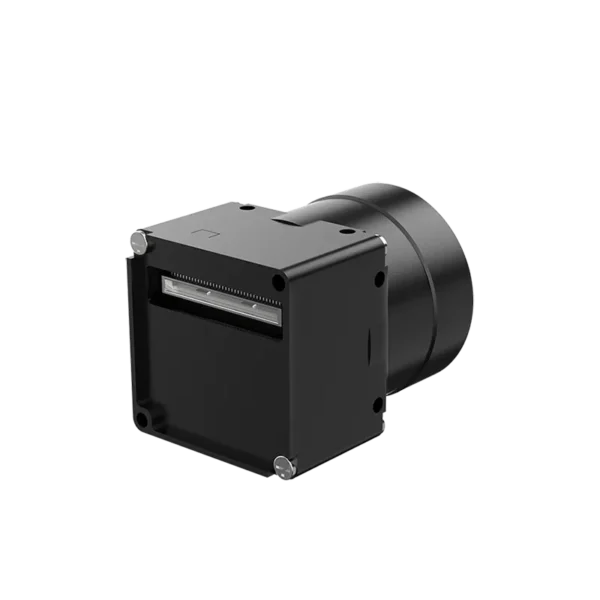
The Verytek UVR 640/384/256 LWIR Thermal Camera Module fits well on UAVs. It is small, light, and does not use much power. Its shutter-less design gives you smooth, clear images, even when the drone moves fast. You can count on it for long flights and tough jobs.
Specification | UVR2 | UVR3 | UVR6 |
|---|---|---|---|
Detector Type | Vanadium Oxide Uncooled Infrared Focal Plane Detector | ||
Resolution | 256×192 | 384×288 | 640×512 |
Effective Frame Rate | 25/50Hz | 30/60Hz | 30/60Hz |
Pixel Pitch | 12μm | ||
Spectral Band | 8~14μm | ||
NETD | ≤40mK@25℃,F#1.0,25Hz | ||
Thermal Time Constant | <12m | ||
Operating Temperature | -40℃~+80℃ | ||
Storage Temperature | -50℃~+85℃ | ||
Humidity | 5%–95%, non-condensing | ||
Vibration | 6.06g, random vibration, all axes | ||
Impact | 80g, 4ms, final peak sawtooth wave, three axes and six directions |
You get a tough sensor that works in freezing cold, high humidity, and rough places. This makes it great for Canadian oil, mining, and Arctic sites.
Integration with Safety Systems
You want your safety tools to work together. Thermal sensors connect easily with your current safety and monitoring systems. This helps you spot problems fast and take action right away.
Thermal imaging cameras react quickly to temperature changes. They can set off alarms if something gets too hot.
You can add these cameras to your systems without much trouble. Open platform systems make this easy.
When you use thermal sensors with your alarms and controls, you get better real-time awareness of risks.
The Verytek UVR series is flexible and saves money. It works well with UAVs and other smart platforms. Compared to other advanced thermal sensors, it has high resolution, low power use, and a shutter-less design. You get strong performance in real Canadian conditions.
Feature | Verytek UVR Series | Other Advanced Thermal Sensors |
|---|---|---|
Resolution | 640×512, 384×288, 256×192 | Varies by model |
Power Consumption | Low | Varies |
Architecture | Shutter-less | Typically shuttered |
Integration | Flexible with UAV platforms | Varies |
Cost Efficiency | High | Varies |
Performance in Real-World | Proven in mass-production UAVs | Varies |
Tip: If you pick a tough, high-performance thermal sensor like the Verytek UVR series, you make your site safer and your work more efficient.
Key Safety Benefits of Thermal Sensors
Early Fire and Fault Detection
You need to spot fires and faults before they cause harm. Thermal sensors help you do this by showing heat that regular cameras cannot see. These sensors can:
Visualize leaks that stay hidden from standard cameras.
Capture small changes in temperature at each pixel, making it easier to find problems early.
Detect overheating and worn-out parts before they break down or stop your work.
Work without touching equipment, so you do not need to stop machines for checks.
Respond quickly to heat changes, which helps you prevent hazards.
With these features, you can act fast and keep your site safe.
Real-Time Equipment Monitoring
You want your equipment to run smoothly. Thermal sensors let you watch machines in real time. They show you heat patterns that warn you about trouble. You can check your equipment from far away, so you do not need to send workers to risky places. This technology helps you:
Find heat problems before they turn into failures.
Reduce the number of site visits, saving time and lowering risk.
Switch from scheduled checks to condition-based maintenance, which means you fix things only when needed.
This approach cuts costs and keeps your operations running longer without stops.
Environmental and Worker Safety
You care about your team and the environment. Smart sensors help you watch important things like temperature and air quality. They help you find dangers quickly, which is very important in tough places like oil fields, mines, and the Arctic. For example:
Sensors spot overheating equipment, so you can fix it before it causes an accident.
Real-time alerts help you act fast to protect workers.
You can keep an eye on air quality, making sure your team breathes safely.
Tip: Using thermal sensors gives you more control over safety. You can protect people, equipment, and the environment in Canada’s harshest workplaces.
Real-World Use Cases and Verytek Applications
Oil and Gas Field Monitoring
Oil and gas fields can be dangerous places. Leaks, broken equipment, and emissions can hurt people and nature. Many companies in Canada use drones with thermal sensors to find these problems early. Drones fly over pipelines and tanks. They look for heat changes that show leaks or hot spots. This helps you find trouble before it gets worse.
Here is how some companies use this technology:
Company | Technology Description |
|---|---|
AltoMaxx | Drone-based methane sensors for leak detection along pipelines and facilities. |
LSI | Thermal infrared hyperspectral imaging system for identifying gas leaks in varying conditions. |
Kuva | Cameras using short-wave infrared light for real-time hydrocarbon gas monitoring. |
mCloud | Mobile ultrasonic sensor for variable emission rates and source point monitoring. |
Spartan Controls | Pressure control equipment aimed at minimizing emissions from liquid storage tanks. |
You can put the Verytek UVR series on drones. This gives you clear pictures right away. You can act fast and keep your work area safe.
Mining Site Safety
Mining sites have big machines and deep holes. The weather can change quickly. You need to watch for hot machines, fires, and unsafe spots. Drones with thermal sensors fly over mines and look for hot areas or leaks. You can check belts, crushers, and piles without putting workers in danger.
Verytek modules are good for these hard jobs. They are light and do not need a shutter. This means you get smooth pictures, even when drones move fast. You can trust these sensors to help you find danger and keep your team safe.
Arctic Rescue and Infrastructure
The Arctic is very cold and has lots of snow and ice. Rescue teams and people who take care of buildings use thermal sensors. They check ice thickness, snow depth, and look for people who need help. Drones with Verytek modules can scan big areas fast, even when it is dark.
Here are some tools used in Arctic operations:
Component | Description |
|---|---|
SmartBUOY | Stationary sensor that measures ice thickness and snow depth, sending data by satellite. |
SmartQAMUTIK | Mobile sensor that gives real-time measurements while pulled behind a snowmobile. |
Community Involvement | Local Inuit knowledge helps with sensor deployment and operation. |
Thermal sensors help keep people safe and protect important buildings in Canada’s toughest places.
Overcoming Barriers to Adoption
Installation in Extreme Conditions
Canada’s oil, mining, and Arctic sites have tough weather. These places are far away from cities. Putting thermal sensors in these areas is not easy. You must follow strict rules for where you put sensors and how you care for them. For example, you need to put temperature sensors inside the heat exchange circuit or in thermal wells. You should not put sensors near outside heat because it can mess up the readings. When you change sensors, you must switch them in pairs to keep the quality high. These steps help you get good data and follow Canadian rules. You can use UAVs, ground vehicles, and handheld tools to reach hard spots. This makes putting in sensors safer and faster, even when the weather is bad.
Data Management and Analysis
Thermal sensors give you lots of data. You need to handle and study this data to keep your site safe. Here are some things you should do:
Buy good sensors so your data is right and trustworthy.
Keep teaching your team how to use data tools.
Get different teams to work together and use data for safety.
Change your data plans often to keep up with new tech and work changes.
Today, you use computers and machines to make work safer. You need to watch how people and machines work together. This helps stop equipment from breaking and keeps away electrical dangers. Good data handling lets you find problems early and fix them fast.
Training and Implementation
You need training to use thermal sensors the right way. Many programs can teach you and your team how to use these tools. Here are some examples:
Course Title | Learning Outcomes | Intended Audience |
|---|---|---|
Infrared Thermography Training | Learn to check, understand heat patterns, and use thermal imaging | Anyone using thermography for PV systems |
Developing an In-House IR Inspection Program | Build long-term programs and become an infrared leader | People starting or improving an IR inspection program |
Nine Steps For Setting Up An Infrared Inspection Program | Learn main steps for starting and keeping a program | Beginners, thermographers, maintenance workers |
You can make strong safety programs by teaching your staff and following clear steps. This helps you use thermal sensors well and keeps your site safe.
You work in hard places like oil, mining, and Arctic sites in Canada. Thermal sensors such as the Verytek UVR series help keep your sites safe and running well. These sensors find dangers early, so you can act fast.
They watch for problems all the time and do not miss risks.
They send alerts if there are leaks or something is wrong.
You can see pictures from far away to check things quickly.
These tools help protect your workers and equipment. Using new thermal sensors makes your job safer and your site stronger.
FAQ
What makes thermal sensors important for Canadian oil, mining, and Arctic sites?
You face extreme cold, darkness, and remote locations. Thermal sensors help you spot dangers early. They work in harsh weather and give you clear images when regular cameras cannot.
How do UAVs with thermal sensors improve safety?
You can send UAVs to check pipelines, equipment, and large areas. This keeps your team out of risky places. UAVs with thermal sensors find leaks, fires, and hot spots fast.
Why should you choose the Verytek UVR series for your operations?
You get a rugged, lightweight sensor that works in freezing temperatures. The shutter-less design gives you smooth images. You can easily add it to UAVs and other smart platforms.
Can you use thermal sensors for both equipment and worker safety?
Yes. You can monitor machines for overheating and check on workers in remote areas. Real-time alerts help you act quickly to prevent accidents.
What training do you need to use thermal sensors effectively?
You should learn how to read thermal images and set up inspection programs. Many training courses teach you and your team how to use these tools for better safety.
See Also
Utilizing Thermal Imaging Cameras for Effective Rescue Operations in 2025
Vanadium Oxide Thermal Imaging Cameras Enhance Rescue Efforts
The Importance of Thermal Imaging Cameras in 2025
Best RAV4 CarPlay Adapters for Cold Canadian Winters Reviewed