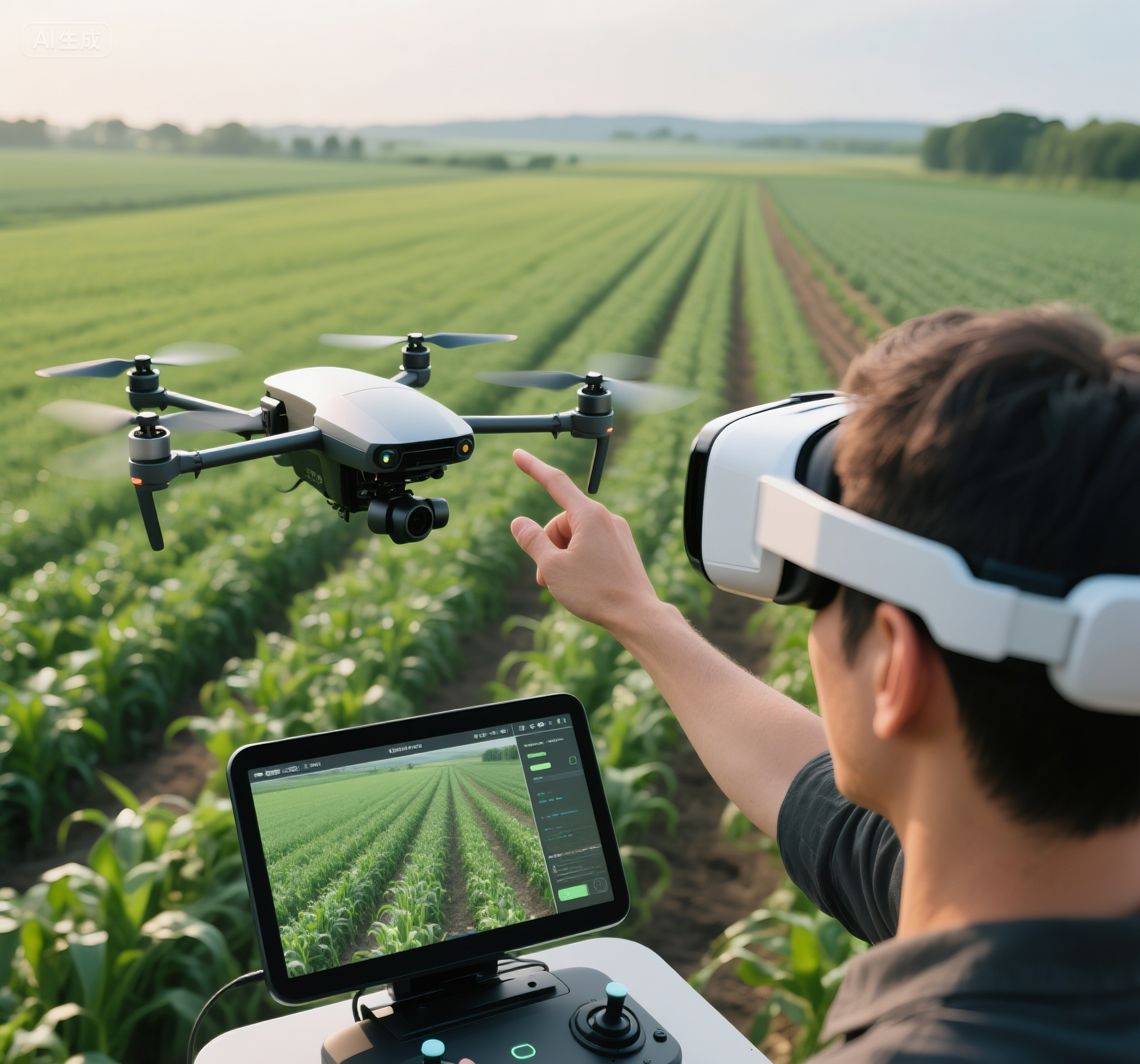
You deal with many problems in farming each day. If crops look sick or stressed, acting fast can help your harvest. It is hard to find sick animals in a big herd. Farming drones equipped with thermal imaging for farming help you see these issues quickly. The TL640 Uncooled Infrared Module provides clear pictures, allowing you to spot changes in crop health, moisture, and temperature. These tools help you make smart choices and achieve better results in farming.
Drones spot early crop problems from bugs or insufficient water.
Drones show how much water crops have for better irrigation.
Drones help you see sick animals before others get sick.
Key Takeaways
Thermal drones find sick crops and animals fast. This helps farmers act quickly and manage farms better. Using drones saves time and work. Drones can check big fields in just a few minutes. Farmers do not need to check everything by hand. Drones give real-time data to farmers. This helps them decide how to water and control pests. It makes crops healthier. Drones use resources better by only treating places that need it. This saves money. The TL640 module gives good thermal images in all kinds of weather. This helps farmers watch their fields all the time.
Efficiency with Thermal Camera Drones
Farming today has many tough problems. Farmers must watch big fields and herds. Walking around takes a lot of time and energy. Drones help change how farming works. A thermal camera drone lets you see more and act faster. You can use your tools better. The TL640 Uncooled Infrared Module gives clear thermal pictures. This helps you find problems early. You can manage your farm with less work.
Faster Data and Analysis
Farmers want to know what is happening right now. Checking fields by hand takes a long time. Drones can fly over large areas in minutes. They give you sharp thermal data. This shows where crops need help. Agricultural drones collect data quickly and safely. They can go to places that are hard to reach.
Drones fly over big fields fast and save time.
They take thermal pictures to show crop health and soil moisture.
You can look at this data right away and work better.
Drones reach places that people cannot go easily.
They give steady data, so you do not miss changes.
The TL640 Uncooled Infrared Module makes this work. It is small and works well in all weather. You get clear pictures every time. You can see dry spots, sick plants, or pest problems before they spread. This helps you manage your farm better.
Real-Time Decisions
Farmers must make quick choices. A thermal camera drone gives you live information. You can see which crops need water. You can spot sick animals. This helps you fix small problems before they get worse.
Drones show crop temperature changes so you can water right.
You can find pests or diseases early and treat only those spots.
Drones help you plan harvests by showing ready crops.
You can watch animals from above, even at night.
Drones help keep your farm safe day or night.
The TL640 module helps with these jobs. It measures temperature changes very well. You can check leaf temperature to find stress or disease. You can find dry spots and fix your watering plan. The table below shows how you can use the TL640 for quick action:
Application Area | Description |
|---|---|
Monitoring Plant Health | Infrared cameras check leaf temperature to find stress, disease, or pests. |
Irrigation Management | Temperature checks show dry spots that need water. |
Disease Detection | Thermal images show temperature changes that mean stress or disease. |
Heat Stress Assessment | Finding hot spots helps you shade or cool plants in time. |
Early Disease Detection in Grapevines | Thermal images show odd spots that may mean disease in vineyards. |
Cost and Labor Savings
Using drones on farms saves money and hard work. You do not need as many workers to walk fields or count animals. Drones do these jobs faster and better. You spend less on workers and can do other important things.
Drones let you use fertilizer and pesticides only where needed, saving money.
You save water by watering only dry spots.
Finding pests early means you use fewer chemicals.
Drones help you map fields and plan better, which can grow more crops.
Over time, saving on labor and resources makes drones a smart buy.
Drones turn hours of searching into minutes of checking. You can look at your herd or crops quickly. This gives you more time to plan and care for your farm. The table below shows how drones help you save time and money:
Benefit | Description |
|---|---|
Time Efficiency | Drones cut hours of searching to just minutes of checking. |
Labor Reduction | Less walking or driving means fewer work hours. |
Cost Savings | Lower costs and more time for planning or animal care. |
The TL640 Uncooled Infrared Module works well in any weather. You can trust your data and make better choices. Drone farming with thermal camera drones is a big part of smart farming and the future of agriculture.
Thermal Imaging for Farming: Crop Surveillance
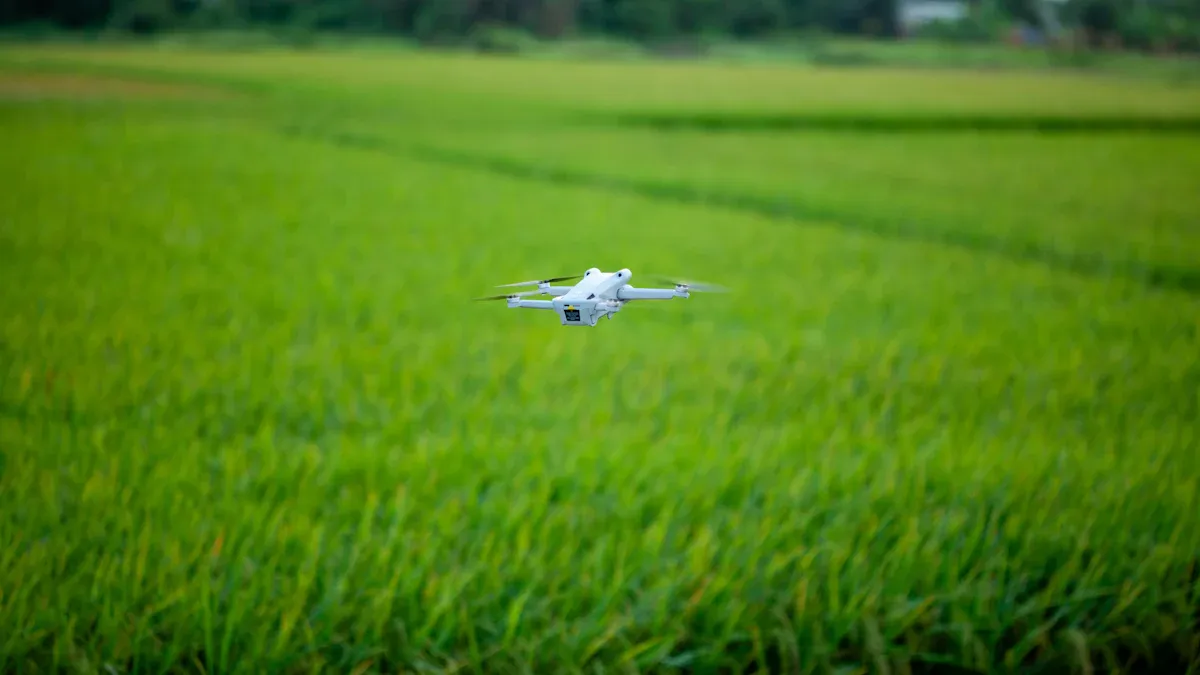
Thermal imaging for farming lets you watch your crops in a new way. You can notice changes in plant health before they get worse. Drones with thermal cameras fly over fields and collect data fast. You get clear pictures that show where crops need help. This technology helps you check crop condition and make smart choices every day.
Irrigation and Stress Detection
Water is needed for healthy crops. Sometimes, you cannot tell which plants need water just by looking. Thermal imaging for farming helps you find dry spots and stressed plants. Drones measure the temperature of crop leaves. Hot leaves mean the plant does not get enough water. You can use this to change your irrigation and save water.
Mixing thermal infrared data with other information gives you better ideas about plant stress. Finding stress early lets you act before you see changes in the plant. This helps you pick better plants for future crops.
Drones with thermal cameras measure canopy temperature, showing how much water crops use.
There are strong links between the Crop Water Stress Index and ground checks like stem water potential.
Adaptive versions of the Crop Water Stress Index help you make exact irrigation changes.
The TL640 Uncooled Infrared Module makes this process quick and accurate. It measures temperatures from -20°C to 650°C. You get instant readings when you turn it on. Smart image algorithms help you see thermal images even in smoke or darkness. You can trust the data to guide your irrigation choices.
Early Disease and Pest Identification
Pest and disease management is hard for farmers. If you find problems early, you can save crops and spend less money. Thermal imaging for farming helps you spot sick plants before you see any signs. Drones fly over fields and find temperature changes that mean disease or pest attacks.
One case study showed thermal imaging found Cercospora leaf spot disease in sugar beet before symptoms appeared. Researchers used drones with multi- and hyperspectral cameras to check plant health. They saved money on labor and chemicals by acting early. You can use this technology to protect crops and keep your farm healthy.
Using multi-spectral, thermal infrared, and RGB sensors on drones gives you high-resolution data.
Drones can find diseases like wheat rust and rice blast with up to 95% accuracy.
You can cut field inspection costs by more than 60% using drone technology.
Thermal infrared imaging is a good way to find disease early in crops.
The TL640 module helps you see these changes clearly. You get fast and reliable temperature readings. You can spot sick plants and pests before they spread. This keeps crops safe and your farm running well.
Yield Mapping
Yield mapping helps you plan your harvest and improve your farm. Drones with thermal imaging for farming fly over fields and collect data on crop growth. You can see which areas grow more and which need help. This information helps you use your resources better and grow more crops.
Drones map fields and show where crops are strong or weak.
You can use yield maps to plan fertilizer and water use.
You can track changes over time and see how your actions help crops.
The TL640 Uncooled Infrared Module gives you high-resolution images for yield mapping. You get clear pictures in all conditions, even at night or in bad weather. You can make smart choices and improve your harvest.
Benefit | How It Helps You |
|---|---|
Precise Irrigation | Find dry spots and water only where needed |
Early Problem Detection | Spot disease and pests before they spread |
Better Planning | Use yield maps to plan harvest and resources |
Cost Savings | Reduce labor and chemical use |
Reliable Data | Trust the TL640 for clear images every time |
Thermal imaging for farming changes how you manage crops. You can see problems early, save water, and grow more. Drones and the TL640 module help you watch your fields and make smart choices every day.
Use of Drones in Livestock Management
Herd Tracking and Counting
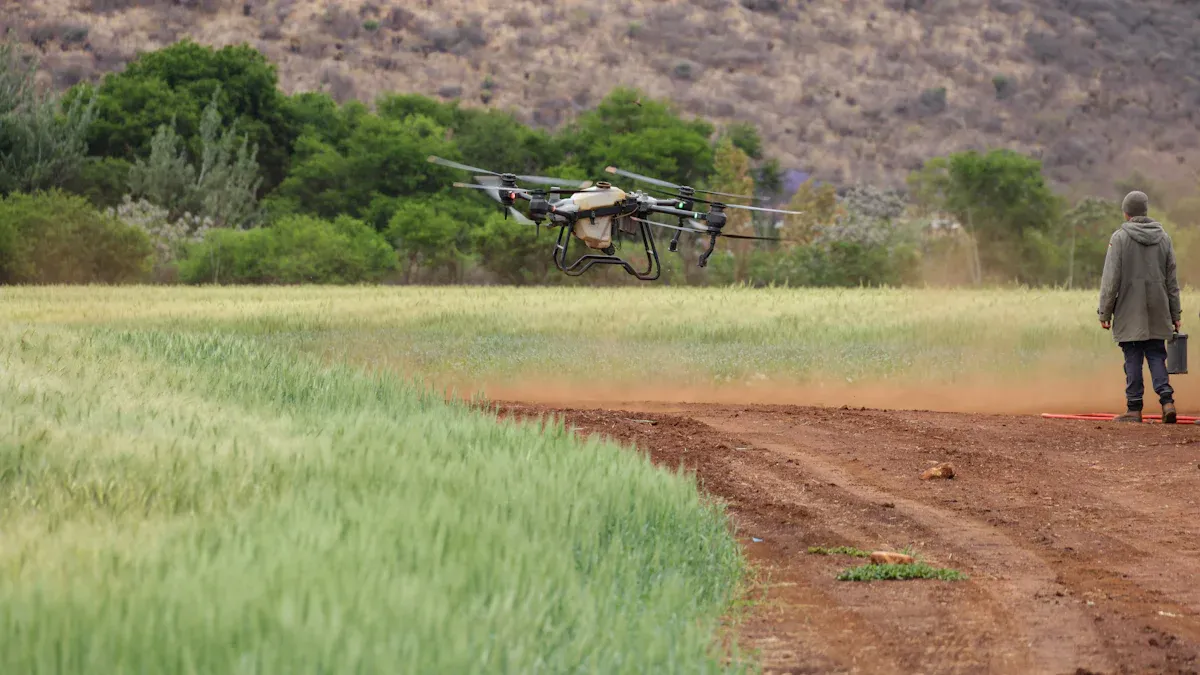
Tracking and counting animals is hard work. Drones with thermal sensors make this job easier. You can watch animals from above. You see every animal, even those hiding under trees. Drones help you check big areas very fast. Utah State University found drones searched land in 10 minutes. Horseback riders took more than an hour. Drones help you find lost cattle after fires or floods. Thermal sensors help you spot animals in thick plants or low light.
Animal Species | Image Type Used | Detection Improvement |
|---|---|---|
Deer | Fusion of thermal and visible images | Big jump in classification accuracy |
Cows and Horses | Visible images alone | Small change in classification |
Thermal drones find cattle that satellites miss. You get better counts and stronger data for managing livestock.
Nighttime and Remote Monitoring
You need to watch animals at night or far away. Drones let you check on livestock when you cannot be there. Drones with thermal cameras help you see animals in the dark. You can find missing animals quickly. You can check on calving or lambing from far away. Drones help you watch animal health and welfare without walking far.
You can stop losses by finding animals before they get hurt.
Drones help you spot heat-stressed animals and act quickly.
You can watch big herds without walking long distances.
The TL640 Uncooled Infrared Module works well in bad weather. You get clear pictures and fast results. Nighttime monitoring is easy and reliable.
Health and Stress Alerts
You want your animals to stay healthy. Drones with thermal sensors help you find health problems early. Each animal has its own heat pattern. Drones can warn you about strange body temperatures. This may mean sickness or stress. Changes in body heat can show early signs of illness or heat stress.
Evidence Description | Source |
|---|---|
A drone can spot each animal’s heat pattern and warn about strange body temperatures that may mean disease. | Animal Welfare Implications of Digital Tools for Monitoring and Management of Cattle and Sheep on Pasture |
Changes in body heat can show early signs of illness or heat stress in livestock. | Top 10 Thermal Drone Applications in 2025 |
Thermal drones help you watch animals and act fast. You can keep animals healthy by fixing problems early. The TL640 module gives high thermal sensitivity and quick image processing. You get good health alerts in any condition.

TL640 vs. Competing Thermal Modules
Feature Comparison
When you pick a thermal module for farming, you want to know what makes each one special. The TL640 Uncooled Infrared Module is different because it has many ways to connect. You can use USB, MIPI, BT.656, or analog video. This means it fits many drones or handheld tools. You can also choose from many lens options, from 10° to 130° field of view. You can change how the image looks by adjusting brightness, contrast, and colors. These things help you get the best pictures for your farm.
Other thermal modules might only have one or two ways to connect. Some do not let you change the lens or image settings. This can make them harder to use on the farm.
Many ways to connect for easy setup
Changeable lens and image settings
Small and light design
Performance in Agriculture
You need a thermal module that works well on real farms. The TL640 gives you clear images, even in smoke, darkness, or bad weather. You can use it to find crop stress, animal health problems, or water issues. It can measure temperatures from cold nights to hot days.
Other modules might not work well in tough weather or may be slow to show images. The TL640 starts up fast and always gives you good data.
Feature | TL640 | Other Modules |
|---|---|---|
Resolution | 640×512 | 320×240 or 640×480 |
Connection Options | USB, MIPI, BT.656, Analog | Limited |
Field of View Choices | 10°–130° | Fewer options |
Weight | 8g | 15g or more |
Startup Time | Instant | Slower |
User Feedback and Case Studies
Farmers who use the TL640 say it saves time and helps them find problems early. One farmer said they found sick animals at night, which stopped disease from spreading. Another farmer used the module to find dry spots in a big field and changed watering quickly. These stories show the TL640 helps you make better choices and improve your farm.
“The TL640 gave us clear images even on foggy mornings. We found sick cattle before anyone else noticed.” – Rancher in Texas
You can trust the TL640 to give you what you need for smart farming.
Adoption and Challenges
Training and Usability
You need special skills to use thermal camera drones on your farm. Training teaches you how to fly drones safely. It also helps you learn to read thermal images. Many farmers take short classes to learn these things. The table below shows the main training choices:
Training Course | Key Topics Covered | Prerequisites | Outcomes |
|---|---|---|---|
Drone Thermography Level 1 Certification | Infrared science, camera operation, image reading, farm uses | Own a drone, basic flying | Operate and read drone thermal cameras, inspect farm equipment |
Level 1 & 2 sUAS Certification | Aerial thermography, equipment types, FAA rules, marketing services | None specified | Certification, knowledge of aerial inspections |
You can start by learning how to fly a drone. After training, you will know how to use drones for farming. You will also spot problems early.
Cost-Benefit Insights
Thermal camera drones help you in many ways. You save time and money by finding crop and animal problems early. You use less water, fertilizer, and chemicals. Here are some main benefits:
Drones check crop health and find pests or diseases early.
You use fertilizer and pesticides only where needed, which saves money.
Drones cover big fields fast, so you need fewer workers.
You get better data to plan and manage your farm.
Acting early can grow your crop yield by up to 20%.
Drones help you use resources wisely and protect nature.
You get better results in your farm work when you use these tools.
Regulations and Privacy
You must follow rules when you use drones on your farm. Drones can collect private data, so you need to keep it safe. Here are some things to remember:
Drones may collect sensitive data that others could misuse.
Flying over private land without permission can cause privacy worries.
You must follow airspace laws and ask landowners before flying.
Always tell people how you use drone data to build trust.
Tip: Use data encryption and safe storage to protect your information. Plan flights to avoid private places and use software to control what your drone records.
You can use geofencing to keep drones away from private spots. Good rules and habits help you use drones safely and fairly.
You can make your farm work better with verytek thermal drones and the TL640 module. These tools help you save time and money. They also help you keep your crops and animals healthy. The table below shows how these tools help you:
Feature/Benefit | Description |
|---|---|
You get fast feedback with clear pictures. | |
Portability | You can use them in small spaces or with handheld tools. |
Safety and Reliability | They work safely in hot or cold weather. |
You can start learning about thermal drone technology now. You will see real changes on your farm soon.
FAQ
How do thermal drones help you find crop problems early?
Thermal drones show you temperature changes in plants. You see stressed or sick crops before you notice visible signs. You can act fast and protect your harvest.
Can you use thermal drones at night or in bad weather?
Yes, you can use thermal drones at night and in fog or rain. The TL640 module gives you clear images in darkness and tough conditions. You keep watch over your farm anytime.
What training do you need to use thermal drones?
You learn to fly drones and read thermal images. Many farmers take short courses. Training helps you use drones safely and spot problems quickly.
How do thermal drones save you money?
You use fewer chemicals and less water. Drones help you find problems early. You spend less on labor and resources. You make smarter choices for your farm.
Is your data safe when you use thermal drones?
You control your drone data. Use secure storage and encryption. Always follow privacy rules and ask for permission before flying over private land.
See Also
The Importance of Thermal Imaging Cameras in 2025
Utilizing Thermal Imaging Cameras for 2025 Search and Rescue
Vanadium Oxide Thermal Imaging Cameras for Effective Rescue