
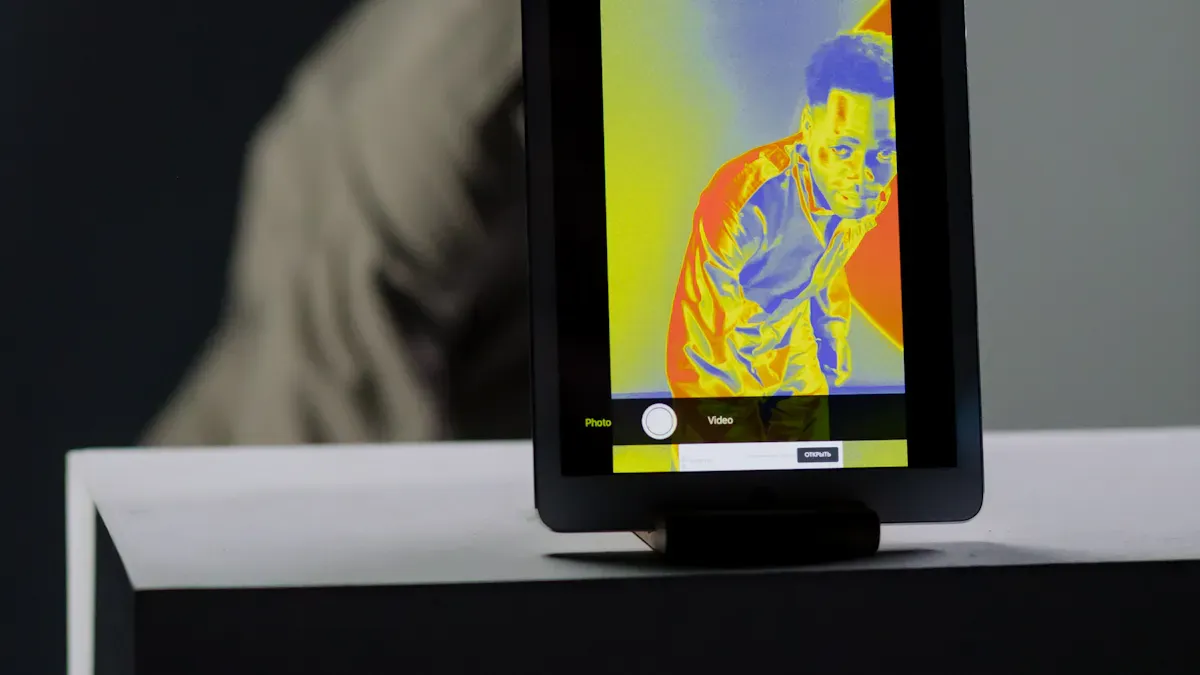
Security trends in 2026 show fast growth in thermal camera core for security. This is because crime rates are rising and AI systems are getting better. The market may reach almost $6 billion. This is due to more demand from the military, border monitoring, and perimeter protection. Groups now use technology that is very reliable. It shows clear hot and cold differences. It works well even in bad weather. Buyers can pick solutions for different budgets. This helps keep surveillance strong in all conditions.
Key Takeaways
High-resolution thermal cameras help security teams see hot and cold spots. They make it easier to find threats, even when it is hard to see.
AI-powered video analytics cut down on false alarms. This lets security teams pay attention to real dangers and act fast.
Edge computing lets data be processed right where it is collected. This means alerts come faster and decisions are made quicker.
Multi-spectral fusion mixes different kinds of images together. It gives a full view and helps find threats in tough places.
Miniaturization of thermal camera cores makes them small and easy to use. They fit in drones and portable devices, so security teams can move around more.
Enhanced Sensor Resolution in Thermal Camera Core for Security
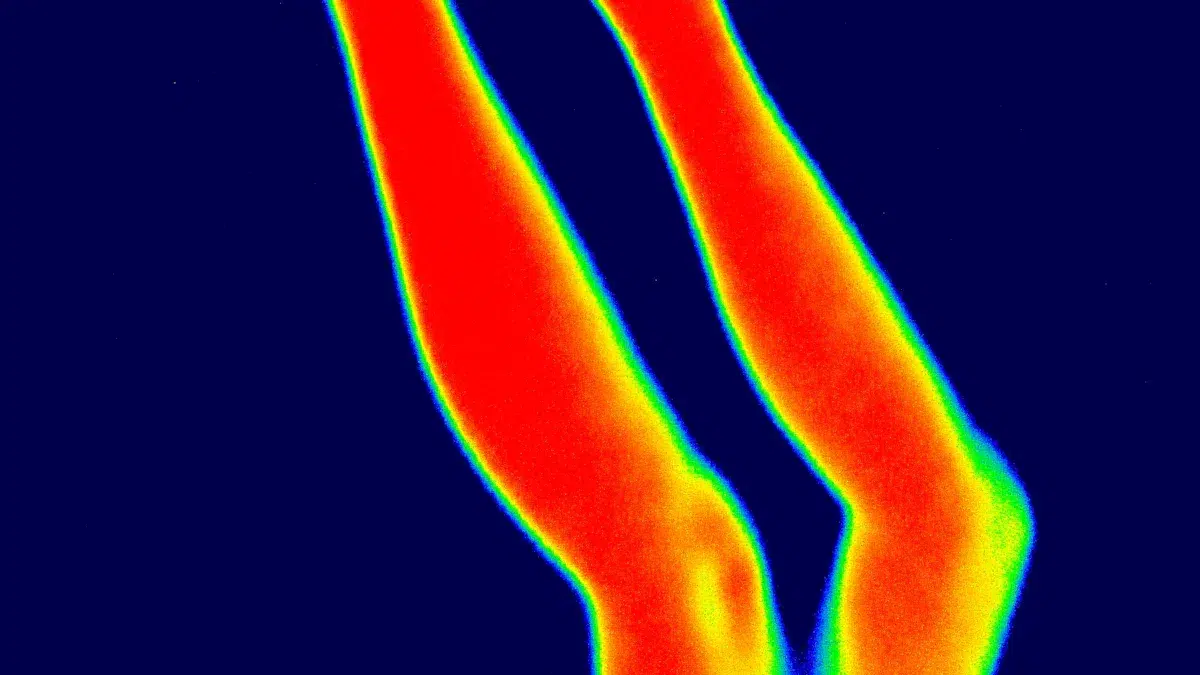
High-Resolution Options: 256, 384, 640
Today, sensor resolution is very important for thermal camera core for security. Newer cameras come in 256×192, 384×288, and 640×512 pixel choices. These sensors, like the VN2 series, use smart detectors and image chips. They make images clear, so cameras can tell hot and cold spots apart. This is very helpful for keeping places safe, even when it is dark, foggy, or smoky.
Resolution | Image Clarity | Detail Level | Application Suitability |
|---|---|---|---|
256×192 | Moderate | Basic | General surveillance |
384×288 | High | Enhanced | Security and monitoring |
640×512 | Very High | Superior | Critical identification, borders |
Impact on Security and Surveillance
Better sensors help security cameras work better. Cameras with more pixels can see movement from farther away. They also cut down on false alarms by looking at heat, not just movement. This makes threat detection more trustworthy. High-resolution video helps people see who or what is there, even in bad weather. Police and security teams use these images to solve cases and collect proof. Seeing hot and cold areas clearly helps stop threats early and keeps places safer.
Note: High-resolution thermal imaging works well in tough conditions, so it is a top pick for new surveillance systems.
Resolution Choices for Different Applications
Security trends show buyers should pick the right sensor for their needs and money. The 384×288 sensor is a good mix of price and quality. It works for most security jobs and is used a lot for regular building safety. The 640×512 sensor gives the best picture and can see far. It is great for borders, fences, and places that need the most detail and trust. The 256×192 sensor is for simple jobs and saves money.
Choosing the right sensor helps groups stay safe and not spend too much. As technology gets better, sensors keep improving, giving more options and better use for security.
AI-Powered Video Surveillance and Analytics
Intelligent Image Processing
AI-powered video surveillance has changed how groups use thermal camera core for security. Smart image processing uses new technology to make pictures better and spot small temperature changes. This helps cameras show clear images, even when it is dark or the weather is bad. Sensors in these cameras work with machine learning to block out extra noise and find real dangers. For example, smart video analytics can cut down false alarms by almost 99.95%. This means workers do not waste time on fake alerts and can focus on real problems.
Feature | Description |
|---|---|
Advanced Thermal Imaging | Detects small temperature changes over long distances for better identification. |
Video Analytics Integration | Enables automatic tracking and provides insights for security teams. |
Ruggedized Design | Withstands tough environments and meets strict security standards. |
Real-Time Threat Detection
AI surveillance lets cameras check video right away for threats. Deep neural networks look at video feeds and find hot spots or strange actions as they happen. These systems send fast alerts to security teams, so they can act quickly. Sensors with high thermal sensitivity can spot temperature changes less than 35 mK NETD. This makes them good for finding things exactly. AI cameras also work with video management systems, so they fit both normal and mobile security needs. This setup keeps cameras working well in any weather and follows new security trends.
Use Cases in Security Operations
Groups use ai-enabled cameras in many ways to stay safe and work better. Some common uses are:
Watching important things for heat problems to stop equipment from breaking.
Finding smoke, fire, or hot machines for quick action.
Spotting flammable trash in warehouses to lower fire danger.
Helping mobile cameras on UAVs for border and fence safety.
AI surveillance helps teams plan better instead of just watching screens. By using sensors, smart analytics, and auto alerts, these systems work well and show hot and cold spots clearly. This way, security fits many budgets and keeps up with new tech trends.
Edge Computing in Thermal Imaging Systems
Onboard Data Processing
Edge computing is changing how thermal imaging works for security. Now, sensors can process data right where they collect it. This means they do not have to send all the video to a main server. The technology uses special processors inside the sensors. These processors can do things like find objects and track movement on the spot. Security teams get alerts much faster because the sensors check images right away. This helps teams react quickly when there is a problem. The sensors can also watch crowds in real time and notice strange actions. These tools help people understand what is happening and make fast choices.
Video is checked right where it is made
Teams can respond to problems faster
Less data needs to travel on the network
Benefits for Security Integration
Edge computing gives many good things to security systems that are connected. By checking data close to where it is made, the system sends less information over the network. This saves space and money. Most data stays at the place where it is collected, so privacy is better and the system works more often. Digital connections make it easy to use with UAVs and smart systems. Security trends show that checking data locally helps both fixed and moving cameras. The technology also lets teams add more cameras as they need, without big changes.
Note: When thermal camera core for security checks data locally, teams can make faster choices and use their tools better, even if the network is slow.
Applications in Automated Surveillance
Edge computing helps with many jobs in automated surveillance. The table below shows how this technology helps in different ways:
Characteristic | Description |
|---|---|
Flexibility | Sensors can be set up for each job, so they work for many security needs. |
Time-to-Market | Teams can start using new tools quickly without waiting a long time. |
Scalability | One system can use many kinds of sensors, so upgrades are simple. |
Edge Computing | Built-in AI and drivers help make fast choices for automated security jobs. |
Security teams use these tools to build strong and fast systems. The technology makes sure hot and cold spots are easy to see, even in bad weather. This works for both expensive and cheaper security plans. As security gets smarter and more connected, edge computing becomes even more important.
Multi-Spectral Fusion for Security
Combining Thermal and Visible Imaging
Multi-spectral fusion uses different imaging types together. This helps security teams see more. Cameras now use RGB, thermal, and multispectral sensors. RGB sensors show colors and small details we can see. Thermal sensors find heat, so people or things are visible in the dark or smoke. Multispectral sensors catch light that normal cameras miss. All these layers give a better view. Teams get clear pictures, heat data, and extra details.
RGB sensors: Show colors and small details.
Thermal sensors: Find heat, even at night.
Multispectral sensors: Show things our eyes cannot see.
This technology helps teams find threats that one sensor might miss.
Improved Detection in Challenging Environments
Multi-spectral fusion helps teams see in hard places. They can look through fog, rain, or when something tries to hide heat. Using more than one sensor means fewer false alarms. The thermal sensor checks what the visible camera sees. Teams get early warnings about heat problems. This makes them safer and faster to act. The system also works well when there is noise or mistakes. It is good for real-time watching.
Multi-spectral fusion fixes problems with single-spectrum images. It helps teams see better and make good choices, even when it is hard to see.
Security and Surveillance Use Cases
Security teams use multi-spectral fusion in many ways. They watch fences, important buildings, and factories. The technology helps with search and rescue, fire spotting, and airport safety. Multi-sensor fusion, like radar and lidar, helps stop people from sneaking in. It does this by using different data together. This makes finding things more exact and the system more trustworthy. It works in bad weather or low light. Teams can pick the right sensors for their money and needs.
Application Area | Benefit of Multi-Spectral Fusion |
|---|---|
Perimeter Security | Works all day, fewer false alarms |
Critical Infrastructure | Early warnings for heat problems |
Search & Rescue | See in smoke, fog, or darkness |
Industrial Surveillance | Finds problems in busy places |
Multi-spectral fusion is a big new idea. It helps teams see hot and cold spots clearly and act with confidence.
Miniaturization and SWaP Optimization in Thermal Camera Cores
Compact Design for UAVs and Portable Devices
Making thermal camera cores smaller has changed security work. Special packaging, like sealed ceramic cases and PCB-type bases, makes the cameras lighter and tinier. Each camera part can be controlled on its own because of modular design. Power systems with microprocessors help the cameras work better. Smaller pixels and closer spacing let detectors fit in small devices. New materials make the cameras weigh less and cost less.
Feature | Details |
|---|---|
Size | 21x21mm |
Weight | 22g |
Resolution Options | 256×192 to 640×512 |
Frame Rate | 50Hz |
Thermal Sensitivity | ≤ 40mK |
Shutterless Technology | Yes |
These features let teams use cameras on drones, helmets, and handheld tools. Multi-sensor cameras now fit in drones and small devices. This helps teams watch many places while moving around.
Low Power and Lightweight Benefits
Cameras that use little power and weigh less are better for security. The VN2 series works well with very little power. This is good for cameras that run on batteries or need to move. The cameras are smaller than a phone, so they fit in drones and smart gear.
Advantage | Description |
|---|---|
Low Power Consumption | Operates efficiently on minimal power, suitable for battery-powered and mobile applications. |
Compact and Lightweight Design | Smaller than a smartphone, enabling integration into various devices like drones and wearable tech. |
These cameras work well in bad weather and on long jobs. Teams can count on them to show clear hot and cold spots, even when it is hard to see.
Integration Flexibility for Security Applications
Smaller cameras and better SWaP let teams use them in more ways. Flexible design means teams can track moving targets right away. Fewer false alarms happen, sometimes as low as 0.01%. Using less power, up to 60% less, helps teams do more work. Teams put these cameras on drones to check solar panels. Handheld cameras help with inspections and emergencies. Big security systems use them to guard borders and important places.
Drones with thermal cameras check solar panels for problems.
Handheld cameras help with field checks and quick help.
Large systems use them to protect borders and key sites.
This technology works for many budgets and needs. It helps both fixed and moving security jobs. Teams get clear thermal images for good ID and trust, even in tough spots.
The five new ideas below are changing thermal camera core technology for security and watching places:
Innovation | Description |
|---|---|
Edge AI | Puts smart tech inside the camera, making it faster and safer. |
Cyber-Hardened Devices | Adds built-in safety tools for better protection. |
Diverse Sensor Fusion | Uses more than one sensor for better and stronger data. |
AI Video Analytics | Gives early warnings and checks video right away. |
IoT Integration | Links systems together for easy use and growth. |
These new ideas help systems work together and grow bigger. They also get ready for the future. New cameras use AI analytics and sensor fusion to find danger in the dark, smoke, or bad weather. Teams can cover more space or add new tools without changing the main system. Talking to experts helps buyers pick the best lens, accuracy, and features for their money. This way, cameras work well and show clear pictures everywhere.
Pick different lenses to watch many places.
Choose the best accuracy for finding problems.
Get features that fit what you need.
Knowing about these new ideas helps groups plan and buy the best tools for strong security in the future.
FAQ
What makes thermal camera cores effective in harsh weather?
Thermal camera cores find heat, not just light. They show clear pictures in fog, rain, or dark places. Security teams use them because they work well in any weather.
How do buyers choose the right resolution for their needs?
Buyers pick resolution based on their goals and money. High resolutions, like 640×512, help see borders clearly. Low resolutions, like 256×192, are good for simple jobs and saving money.
Can thermal camera cores integrate with UAVs and portable devices?
Yes. New thermal camera cores are small and light. They fit in UAVs, handheld tools, and helmets. This lets teams use them for moving or fixed security jobs.
Why is the distinction between hot and cold areas important?
Seeing hot and cold spots clearly helps find threats fast. This skill lets teams spot intruders, broken machines, or fire risks quickly and safely.
Are thermal camera cores suitable for different security budgets?
Absolutely. Makers have many models to pick from. Teams can buy cheaper ones for basic jobs or spend more for big places and long-range watching.
See Also
The Importance of Thermal Imaging Cameras in 2025
Vanadium Oxide Thermal Imaging Cameras for Emergency Rescues
Utilizing Thermal Imaging Cameras for Search and Rescue Operations
Key Trends Influencing Android Auto Wireless Adapter Development