
You face special problems when you need thermal monitoring in Canada’s big and tough places. A new uncooled infrared module lets you see heat changes even in very cold, far away, or stormy areas. Good thermal monitoring helps you stop shutdowns, find issues early, and keep your work safe. You get features like real-time heat checks for pipelines, mines, and forests. The Verytek UVR series gives you better thermal pictures, so you can follow rules and be ready for anything.
Good monitoring tools help you:
Stop shutdowns and expensive problems
Do maintenance before things break
Find strange heat patterns early
Follow safety and quality rules
Thermal monitoring tools are growing fast in Canada, showing a bright future for these solutions.
Key Takeaways
Uncooled infrared modules help watch temperatures in tough Canadian weather. They stop shutdowns and expensive fixes.
The Verytek UVR series is light and easy to carry. It works well in far places for fast checks and alerts.
These thermal imagers work well at room temperature. They use less power and need less care than cooled systems.
Special features like gas imaging make things safer. They find leaks and hot spots early, keeping people and resources safe.
It is easy to connect with other systems. This lets many industries use them, like energy, forestry, and security.
Uncooled Infrared Module Technology
How Uncooled Infrared Modules Work
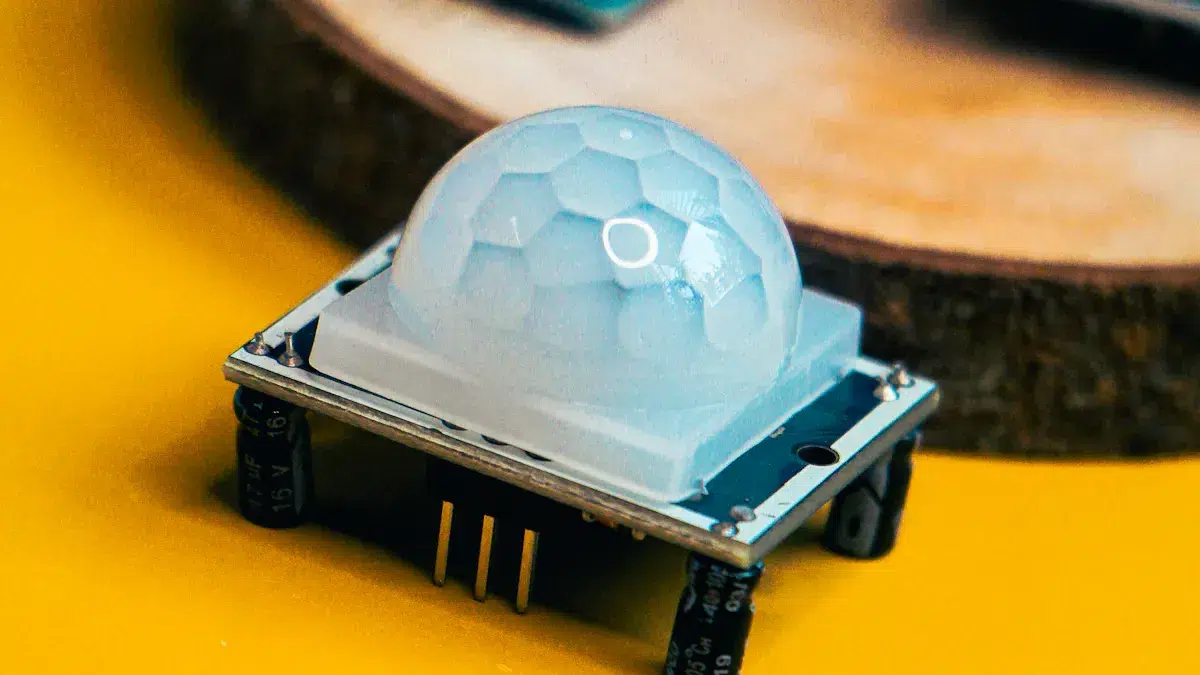
An uncooled infrared module helps you see heat you cannot see with your eyes. It finds heat by sensing thermal energy from objects. The sensor inside does not need to be cooled with special tools. It works fine at room temperature. This makes the device small and light. You can carry it easily, even far away in Canada.
Cooled thermal imaging uses a cryocooler to make the sensor cold. This gives better sensitivity, but the system gets bigger and heavier. It also uses more power. You might see these cooled systems in labs or special trucks. Uncooled thermal imagers, like the Verytek UVR series, are good for outdoor work. They use less power and have fewer moving parts. You get a tool that is ready to use fast and does not break easily.
Uncooled thermal imagers are good for checking oil pipelines, watching for wildfires, and keeping mines safe. They help you find leaks, hot spots, or hidden dangers right away. You can use them in bad weather or freezing cold. Companies like SensorMicro and Leonardo DRS make these tools too, but the Verytek UVR series is special. It has a shutter-less design and is easy to add to other systems.
Key Features and Innovations
The Verytek UVR 640/384/256 LWIR Thermal Camera Module brings new ideas to thermal imaging. It has a shutter-less design, so your pictures stay smooth and clear. The module is small and light. It weighs less than 8.6 grams. You can put it on a drone or hold it in your hand.
Here are some new things in uncooled thermal imagers:
Innovation Type | Description |
|---|---|
Power Efficiency | Uses less power, so you can run longer in the field. |
Advanced Packaging Techniques | Makes the module smaller and more reliable. |
Semiconductor Fabrication | New chip designs give better sensitivity and lower costs. |
Reliability and Qualification | Meets tough standards for safety and performance in many industries. |
You can connect the Verytek UVR module to many systems. It has digital interfaces that make setup easy. You can use it for security, industrial IoT, or robots. The SWaP (Size, Weight, and Power) advantage means you get a tool that is small, light, and uses little power. It works right away. This helps you act fast in emergencies or when you need to move quickly.
Uncooled thermal imagers give you good thermal data for infrared imaging, even in Canada’s hardest places.
Monitoring Challenges in Canada
Extreme Temperatures and Weather
Canada has some of the toughest weather in the world. Winters are very cold, but summers can be hot and sticky. These weather changes make thermal monitoring tricky. When it is cold, objects are much warmer than the air. This helps thermal cameras find leaks, hot spots, or people in the snow. Snow on the ground makes it easier to see things because it is smooth and white.
Here is a table that shows how temperature changes affect thermal imaging:
Condition | Temperature Differential (°F) |
|---|---|
Winter (Cold) | |
Summer (Warm) | 5-18 |
Thermal cameras like the GTGUARD X350L and X650L work in very cold or hot weather. They keep working from -40°F to 131°F. You can trust them even in the coldest months. Cold weather helps you find problems faster with your thermal system. You can use these cameras for checking oil pipelines, watching for wildfires, and keeping mines safe. You get alerts right away, so you can fix small problems before they get worse.
Cold weather helps thermal cameras work better.
Snow makes it easier to spot things.
Good thermal imaging keeps your monitoring strong all year.
Remote and Inaccessible Areas
A lot of Canada is hard to get to. You may need to check pipelines, forests, or mines far from towns. Getting your equipment there takes planning. You have to think about special trucks, extra parts, and how to fix things if they break. Sometimes, you can only reach these places during certain times of the year.
You need to be able to check your thermal systems from far away.
You must plan for winter roads and bad weather.
Having extra parts ready stops long waits.
Thermal modules like the Verytek UVR series help with these problems. They are small and light, so you can carry them by drone or by hand. You can use them in places where other tools cannot go. They give you good data, are easy to set up, and work with your other systems. This keeps your work safe and running well, even in Canada’s hardest places.
Advantages of Uncooled Thermal Imager Solutions
Reliability in Harsh Environments
You need tools that work well all the time. Weather in Canada can change quickly. An uncooled infrared module is reliable. It works in freezing cold and during storms. The Verytek UVR series keeps working in total darkness. It works on nights with no moon. It also works in light fog or rain. You do not need any lights for these cameras. This lets you watch pipelines, mines, and forests without worry.
Here is how these modules work in different conditions:
Condition | Performance Level |
|---|---|
Pitch black darkness | Full performance |
Moonless overcast night | Full performance |
Light fog | Minimal drop in quality |
Light rain | Slight drop in quality |
No light sources needed | Complete independence |
You can use the Verytek UVR series to spot leaks in pipelines. You can find hot spots right away. You can see wildfires before they spread. These features help keep people safe. They protect important resources. In mines, you can check for dangerous heat changes. This shows equipment problems or fire risks. The shutter-less design gives smooth and clear images. You get good pictures even when you move the camera fast.
Tip: Uncooled thermal imagers let you monitor all the time, day or night, in any season.
Low Power and Maintenance
You want a tool that uses little power. Uncooled thermal imagers use very little energy. You can run them for a long time on batteries. This makes them great for drones and portable devices. They are good for remote stations too. You do not need big batteries or lots of charging.
Cooled thermal imagers use more power. They need special cooling systems. Uncooled models, like the Verytek UVR series, work at room temperature. This saves energy. You can use them in more places.
Feature | Uncooled Detectors | Cooled Detectors |
|---|---|---|
Power Consumption | Low power use, good for portable devices. | High power use because of Cryocooler. |
You also save time and money on maintenance. Uncooled thermal imagers have no moving parts. You do not need to fix shutters or complex parts. Their solid-state design makes them tough. They last a long time. You can trust them to keep working for years.
Feature | Description |
|---|---|
Uncooled thermal imagers are solid-state devices without moving parts, reducing maintenance needs. | |
Temperature range | They work well in many temperatures, good for different places. |
Durability | Their simple build makes them very strong and last longer. |
Portability and Integration
You need to move your equipment easily. This is important in remote parts of Canada. The Verytek UVR series weighs less than 8.6 grams. It fits in your hand. You can put it on a drone. You can carry it in a backpack. You can mount it on a vehicle. This light design helps you reach hard places. You can go to deep forests or far mining sites.
The small size and low power meet SWaP needs. You can add them to other systems easily. The digital interfaces let you connect the module to computers. You can use AI platforms or smart devices. You can use them for new AI tasks, like automatic monitoring or smart alerts.
You can set up the module for real-time thermal checks. This helps you find problems early. You can act fast. You can use AI to look at the thermal data. You get alerts about leaks, fires, or equipment failures. The Verytek UVR series is flexible. You can use it in many industries, like energy, forestry, or security.
You can carry the module anywhere.
You can connect it to many systems.
You can use it for advanced AI and monitoring tasks.
Note: The Verytek UVR series gives you a portable, easy-to-use solution for all your thermal monitoring needs in Canada.
Applications and Use Cases in Canada
UAV Surveillance and Inspection
Uncooled infrared modules have many uses in Canada. UAVs help you reach places that are hard to get to. You can fly drones over oil pipelines to find leaks quickly. Gas imaging lets you see heat changes and spot problems early. Gas leak detection helps keep pipelines safe. Drones with thermal cameras give you live updates. You can check long pipelines without sending people into risky spots. Security System Integrators use these tools to protect important things. Industrial IoT Vendors add gas imaging for better information. Robotics Companies build drones with thermal modules for quick checks.
Gas imaging helps you find leaks in oil pipelines.
Gas leak detection keeps your work safe.
UAVs make it easier to watch remote places.
Forestry, Energy, and Infrastructure
Forestry, energy, and infrastructure need strong tools for safety and speed. You can use thermal modules to watch for wildfires. Gas imaging helps you find hot spots in forests. Early warnings let you stop fires before they spread. In energy, gas leak detection finds problems in power lines or substations. Gas imaging shows you electrical issues and heat leaks. You can check wind turbines and solar panels with thermal cameras. For infrastructure, you can watch bridges and roads. Gas imaging helps you find cracks or weak spots.
Here is a table that shows how uncooled infrared modules help:
Benefit | Description |
|---|---|
Operational Efficiency | Cuts down time and cost for manual checks |
Unmatched Accuracy | Finds heat leaks, gas leaks, or electrical faults exactly |
Versatile Deployment | Works in remote, city, or dangerous places |
Scalable Solutions | Fits small jobs or big company needs |
Enhanced Safety | Checks risky areas without putting people in danger |
Gas imaging gives you very good accuracy.
Gas leak detection protects forests and energy sites.
These tools work for small or big projects.
Security and Emergency Response
Security and emergency teams use thermal tools for quick action. Gas imaging helps you see people or animals in the dark. Gas leak detection finds dangerous leaks in factories or homes. Thermal modules let you spot fires early. You can send alerts before accidents happen. Robotics Companies use gas imaging in rescue robots. Security System Integrators add thermal cameras for better safety. Industrial IoT Vendors use gas imaging for live checks.
Note: Gas imaging and gas leak detection make emergency response safer and faster. You can protect lives and property with these tools.
Gas imaging helps you find people in smoke or darkness.
Gas leak detection gives you early warnings for emergencies.
These tools help security and rescue teams all over Canada.
You can count on uncooled infrared modules for thermal monitoring in Canada’s hardest places. The Verytek UVR series works well in cold, snow, and faraway areas. You can see heat changes right away for pipeline leaks, wildfires, and mine safety. These thermal modules help you find dangers early and keep people safe. You save money because these thermal solutions last a long time. You can add these thermal modules to your old monitoring systems. Security System Integrators, Industrial IoT Vendors, and Robotics Companies use thermal imaging to make things safer. You make public safety better with advanced thermal detection and tracking. You should look for more ways to use thermal modules in your next project. Contact VERYTEK to get thermal modules made for Canada.
FAQ
How do uncooled infrared modules perform in Canada’s extreme cold?
You get steady thermal imaging in freezing Arctic places. The Verytek UVR series works well in very low temperatures. You can use it for monitoring all year in remote Canadian areas.
Can I use these modules for real-time pipeline leak detection?
Yes. You can find leaks and hot spots on pipelines fast. This helps you stop expensive damage and avoid fines. The module sends quick alerts so you can act right away.
How do these modules help with wildfire monitoring?
You can spot wildfires early using thermal imaging. The module sees heat changes in forests before fires spread. This helps emergency teams and protects big forest areas.
Are these modules easy to add to my current systems?
Yes. The Verytek UVR series has digital interfaces for simple setup. You can connect it to your current industrial monitoring hardware. This saves you time and makes things easier.
Who should consider using uncooled infrared modules?
You should use these modules if you are a hardware procurement manager, system integrator, or work in security, IoT, or robotics. They are good for oil pipeline checks, wildfire monitoring, and mine safety.
Contact VERYTEK today for modules made for Canada’s toughest places.
See Also
Vanadium Oxide Thermal Imaging Cameras Enhance Rescue Operations
The Importance of Thermal Imaging Cameras in 2025
Utilizing Thermal Imaging Cameras for Search and Rescue in 2025