
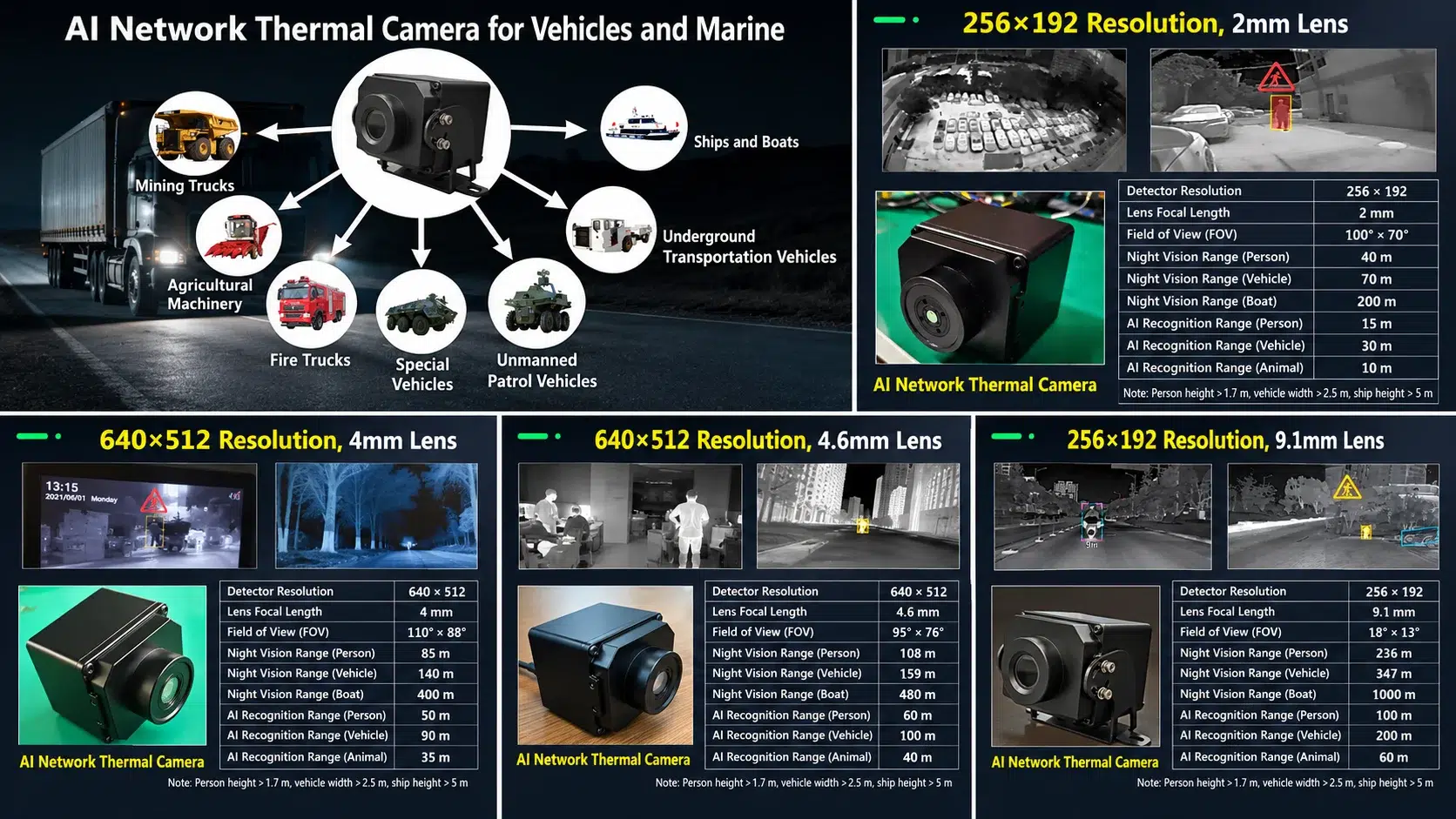
The VERYTEK 5-inch thermal night vision system, the T-Eagle Stellar T3-Mini, and the MILESEEY TP2 top the 2026 shortlist for a wholesale motorcycle thermal camera system. The best 2026 deals are ready now. Each option earns its spot by meeting four criteria: performance, application fit, regulatory compliance, and cost. Wholesale buyers, dealers, fleet managers, and procurement teams get a comparison table, per-system reviews, a deal-evaluation checklist, and sourcing guidance. Safety pressure is real: NHTSA counted 6,228 motorcyclist deaths in 2024. That number shows the need for better rider awareness, but it does not equal thermal imaging procurement volume. Buyers should treat it as context, not a demand forecast.
Key Takeaways
Compare the best systems: VERYTEK 5-inch for touring, T-Eagle Stellar T3-Mini for off-road, and MILESEEY TP2 for inspection.
Check the compliance papers: Ask suppliers for CE and FCC certificates in writing before you buy.
Test the samples on real bikes: check that they resist vibration, that the screen doesn’t glare, and that they stay stable in heat during summer idles.
Separate budgets: Thermal imaging costs more than radar or extra electronics, so plan your spending to match.
2026 Wholesale Motorcycle Thermal Camera System Comparison
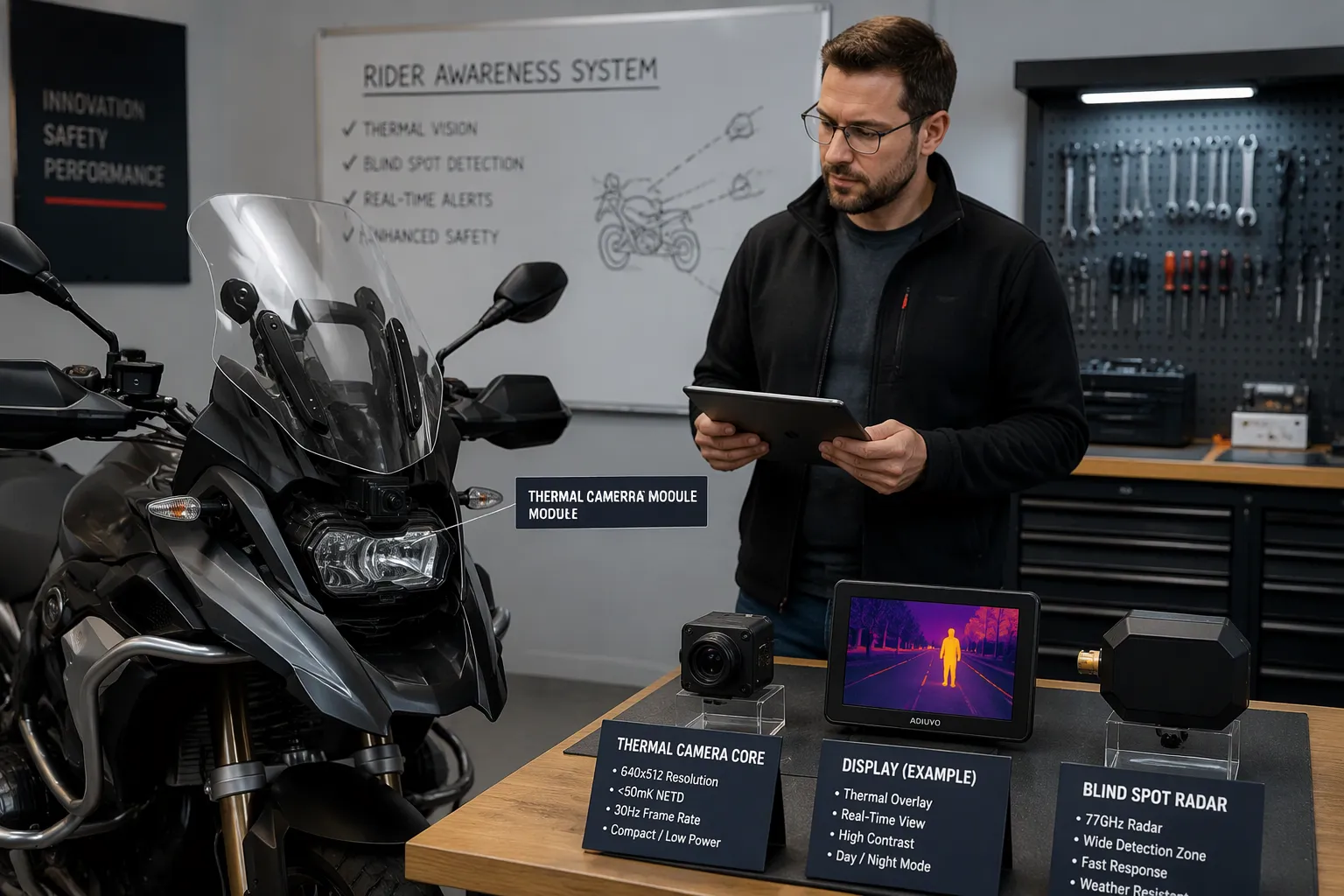
Specs And Deal Prices At A Glance
The table below compares the shortlist using the four criteria buyers use all through this guide. Deal prices show 2026 market data points, not formal wholesale quotes.
System | Performance | Application Fit | Compliance | Deal Price |
|---|---|---|---|---|
VERYTEK 5-inch thermal night vision | 256×192 detector, 12 μm VOx sensor, 10 mm lens, 18°×13° FOV, IP67 camera with defrost heating | Driver-assistance reference platform for cars; can be adapted to touring and fleet projects | CE and FCC documentation available on request | Confirm with supplier |
T-Eagle Stellar T3-Mini | 256×192 sensor, touch OLED, onboard recording, multiple palettes | Handheld and scope-style use; off-road and patrol support | Confirm with supplier | Confirm with supplier |
MILESEEY TP2 | Smartphone thermal camera module | Inspection and spot-check use; limited fit for rider display | Confirm with supplier | ~$138 |
AlienRider M7 blind-spot system | Radar-based warning, not thermal imaging | Touring and commuting awareness aid | Confirm with supplier | ~$139 vs. $299.99 retail |
Dual-light fusion thermal scope | Thermal plus visible fusion | Off-road and enforcement optics | Confirm with supplier | ~$618 |
Aftermarket motorcycle electronics often sell in a $44.99–$59.99 range for accessory-grade parts. Thermal hardware costs much more than that range. A 24ghz smart blind-spot detection module often costs less than a thermal core, so buyers should keep warning electronics and imaging budgets separate.
How To Read The Shortlist
In 2026, no dedicated wholesale listing exists for a complete motorcycle thermal camera system. So buyers compare module-based and component-sourced options. Many manufacturers pair a thermal core with a separate display, a blind-spot radar unit, or a 24ghz radar system. This modular approach shapes the motorcycle dash cam market and gives procurement teams room to set up systems per fleet.
Each option fits a different job. The VERYTEK kit suits buyers who want a proven thermal reference platform with AI recognition and recording. The T-Eagle unit fits handheld and scope work. The MILESEEY module fits inspection budgets. The AlienRider M7 adds blind-spot detection at a price more people can afford. Dual-light fusion scopes serve users who focus on optics.
Buyers sourcing a full rider package should also think about front-and-rear cameras. A front + rear camera pair supports incident review. Front-and-rear recording pairs well with an all-in-one dash cam display, which cuts down cockpit clutter. These components add to thermal imaging rather than replace it.
Treat every price in this table as a starting point. Confirm specifications, compliance paperwork, and deal terms in writing before you commit to volume.
Detailed Reviews Of Top Motorcycle Systems
Performance, Detection Range, And Heat Durability
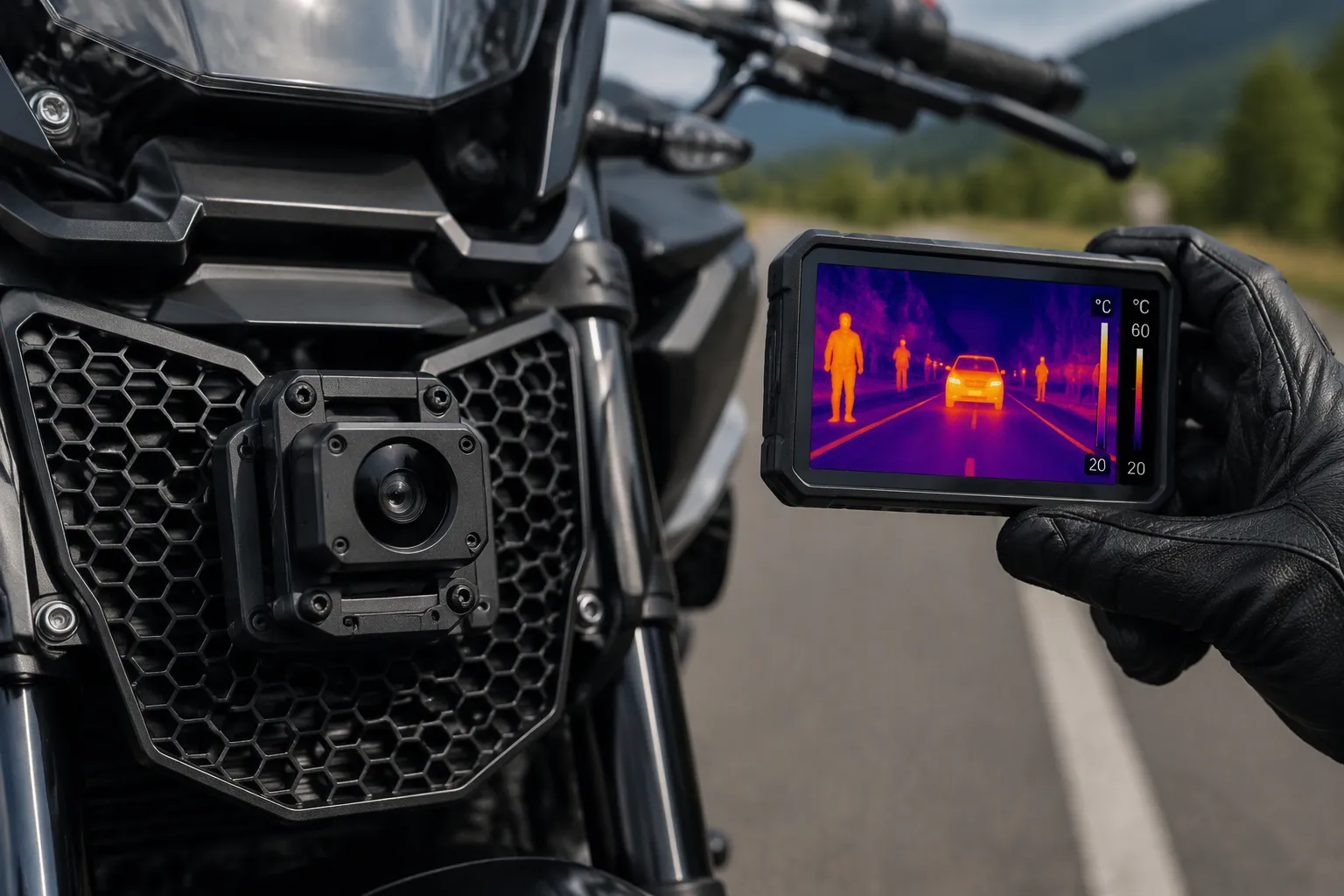
The VERYTEK 5-inch system gives buyers a reference point they can check. Its 256×192 detector uses a 12 μm VOx sensor and a 10 mm lens. The 18°×13° field of view covers the road ahead without a wide, distorted spread. A 5-inch 1024×600 IPS touchscreen shows the image and the controls. AI recognition marks pedestrians, animals, and vehicles. Three warning zones you can set off visual and audible alerts. Seven thermal palettes, like White Hot and Black Hot, let riders match the image to the light. USB recording and on-screen playback help with review after a trip.
The camera has an IP67 rating and automatic defrost heating. That IP67 rating covers the camera only. The display is not IP67, so installers must keep it safe from rain and spray. The camera is 40 × 30 × 26 mm and weighs 60 g, which works for a front grille mount. A supplied stabilizer takes 9–32 V input and puts out 12 V. Ten interface languages come standard.
Heat durability matters on a motorcycle. The camera sits close to engine and exhaust heat, and long heat shortens electronics life. The defrost heater adds its own load. Buyers should test thermal stability during long idle times in summer traffic. Low-light performance is strong by design, since the sensor reads infrared radiation rather than visible light.
The T-Eagle Stellar T3-Mini pairs a 256×192 sensor with a touch OLED screen, onboard recording, and multiple palettes. The MILESEEY TP2 turns a smartphone into a thermal viewer for about $138. The AlienRider M7 uses blind-spot radar rather than imaging and sells near $139 against a $299.99 retail figure. Dual-light fusion scopes combine thermal and visible channels near $618.
Application Fit And Compliance By System
The VERYTEK kit is a car-oriented aftermarket product. Existing product pages do not prove a fully certified motorcycle system. Treat it as a driver-assistance reference platform, not a certified motorcycle product. Touring riders gain situational awareness in unlit conditions. Fleet managers gain recording for incident review. Law enforcement teams can pair it with front-and-rear cameras for a fuller record. Off-road riders may prefer the T3-Mini for handheld scanning. The TP2 suits inspection work. The M7 adds blind-spot awareness at a low entry price.
Compliance varies by market. Manufacturers should supply CE and FCC documentation in writing. Road-use legality depends on local rules for mounted displays and forward-facing cameras. Some buyers want front-and-rear cameras built in to one display, plus front-and-rear recording for full coverage. Confirm every claim with paperwork, not verbal assurance.
Motorcycle Fit, Compliance, And Road-Use Legality
Touring, Off-Road, Law Enforcement, And Fleet
Each use case puts different stress on the hardware. Touring riders need a steady image at highway speed and a screen they can still read in direct sun. Off-road riders deal with dust, mud, and constant shaking from rough ground. Law enforcement teams want recorded evidence they can review later. Fleet managers care about repeatable installation across many bikes and clear service records.
A motorcycle dash cam must survive conditions a car kit never meets. Buyers should check six items before committing to volume:
Bracket vibration resistance, ideally with a mount that handles vibration
Rider sightline, so the display does not block the road
Screen performance in rain and glare
Correct wiring through the 9–32 V stabilizer
Harness waterproofing at every connector
Real-world false-alarm testing on the target bike model
The camera carries an IP67 rating, but the display does not. Installers must shield the screen from spray. Heat near the engine and exhaust also shortens electronics life, so test thermal stability during long summer idles.
Motorcycle Dash Cam Fit And Compliance Checklist
Compliance claims need paperwork. A supplier should give CE and FCC documents in writing, plus a statement on local road-use rules for mounted displays and forward-facing cameras. Regional requirements vary, and verbal assurance carries no weight in an audit.
Buyers should ask each supplier for certificates and test reports directly. Never accept a copied logo or a verbal claim as proof. Ask for the document number, the issuing lab, and the product model it covers. A front + rear camera setup adds recording coverage, and front-and-rear cameras pair well with one display. Some buyers also add blind-spot radar as a separate warning layer. Compare at least three suppliers on documentation quality before signing.
Buyer’s Guide: Evaluating 2026 Motorcycle Dash Cam Deals
Procurement Terms, After-Sales, And Product Proof
Dealers should decide on the supply form first. A sample order lets you test one unit. Bulk orders need packaging specs, translated manuals, and brand assets in writing. Installation and troubleshooting support should be in the contract, not just a verbal promise. Every quote should confirm price and lead time in writing before production starts.
Safety context matters here. NHTSA counted 6,228 motorcyclist deaths in 2024, which shows why rider awareness deserves attention. That figure does not measure thermal imaging procurement volume, so buyers should treat it as background rather than a demand forecast.
Product proof separates serious manufacturers from talkers. Ask for the real thermal resolution, sensor type, lens, field of view, and voltage range. A supplier who makes up certificates, prices, or delivery dates fails the test. Compare verified suppliers on document quality before signing.
Common Pitfalls And How To Avoid Them
Three mistakes keep coming up in 2026 deal reviews. Each one can be avoided with a written checklist.
Mixing up retail discounts with wholesale pricing. A $299.99 retail figure and a $139 street price tell you nothing about container-level terms.
Assuming a car kit is motorcycle-certified. The VERYTEK kit is a driver-assistance reference platform, not a certified motorcycle product.
Missing display weather protection. The camera carries an IP67 rating, but the display does not, so rain and spray need a shield.
Heat is the fourth hidden risk. Engine and exhaust heat shorten electronics life, so test stability during long summer idles. A motorcycle dash cam must also survive vibration, glare, and wet connectors. Ask each supplier for fitment drawings and false-alarm test results on the target bike model. Local after-sales coverage decides long-term cost. Confirm who handles warranty claims, spare parts, and firmware updates in the buyer’s country. A supplier with fast local response protects the dealer’s reputation. Product authenticity proof closes the loop: request model-specific test reports and serial-number tracking. These steps turn a 2026 deal into a repeatable program.
Sourcing Wholesale Deals From A Motorcycle Dash Cam Factory
Sample Verification And Local After-Sales
Complete thermal systems for two wheels are still hard to find in 2026 wholesale listings. Buyers often buy thermal camera modules and 24ghz smart blind-spot detection parts separately, then pair them with a display. Advanced work in this space involves tier-one partners such as MAHLE, which shows how early the category still is. A motorcycle dash cam factory can put the package together, but the buyer must check each part.
Sample verification starts with a written request. Include the bike model, order quantity, destination country, logo needs, and display preference. Ask the supplier for sample units, installation drawings, fitment support, and firmware feature confirmation. Test the sample on the real bike before you commit to bulk. Check bracket vibration, rider sightline, and screen glare in rain.
Local after-sales decides long-term cost. Confirm who handles warranty claims, spare parts, and firmware updates in the buyer’s country. A supplier with fast local response protects the dealer’s reputation. Product authenticity proof closes the loop: request model-specific test reports and serial-number tracking. Compare top motorcycle dash cam suppliers on documentation quality, not sales talk.
Quotes, Branding, And Firmware Confirmation
A firm quote should state price, supply form, packaging, and lead time in writing. Buyers should confirm these terms with the supplier directly. Do not accept made-up MOQs, delivery dates, test reports, or certificates from any source. Verified suppliers answer spec questions with documents.
Three questions come up in most B2B talks. Can a car thermal night vision kit be fitted to a motorcycle? Yes, with a proper mount, a 9–32 V stabilizer, and a shielded display, though it remains a driver-assistance platform rather than a certified motorcycle product. What is the real thermal resolution? Ask for the detector array, sensor type, lens, and field of view in writing. Can we customize branding? Many manufacturers offer startup video, interface logo, and alert voice options, so request samples of each.
Branding and firmware terms belong in the contract. Manufacturers that confirm features in writing make the wholesale motorcycle thermal camera system easier to support. A clear wholesale motorcycle thermal camera system quote also lists language packs and manual localization. Buyers who lock these details early avoid disputes later.
The VERYTEK 5-inch system gives touring and mixed-use buyers the best overall value. The T-Eagle Stellar T3-Mini works well for off-road riding and handheld scanning. A front-and-rear camera package with the VERYTEK kit serves fleet and law enforcement teams best.
Buyers should check 2026 deal prices and availability directly with each supplier. The sample-request and quote steps above show how to verify a motorcycle thermal camera system before you commit to volume.
Ask for a sample unit, installation drawings, and a written quote. Include the bike model, quantity, country, logo needs, and display preference in that request.
FAQ
Can a car thermal night vision kit be fitted to a motorcycle?
Yes, if you have the right hardware. The VERYTEK kit needs a bracket that resists vibration, the 9–32 V stabilizer that comes with it, and a display that is shielded. It is still a driver-assistance reference platform, not a certified motorcycle product. Buyers should test fitment on the target bike before ordering volume.
What is the real thermal resolution?
Ask for the detector array, sensor type, lens, and field of view in writing. The VERYTEK system uses a 256×192 detector, a 12 μm VOx sensor, a 10 mm lens, and an 18°×13° field of view. Suppliers who cannot document these specs fail the check.
Can we customize branding?
Many manufacturers offer startup video, interface logo, and alert voice options. The VERYTEK system supports all three, plus ten interface languages. Request samples of each branding element and confirm the terms in the contract before production starts.
Why is wholesale pricing so different from retail?
Retail figures such as $299.99 for the AlienRider M7 or about $138 for the MILESEEY TP2 say nothing about container-level terms. Accessory-grade motorcycle electronics often sell in a $44.99–$59.99 band, yet thermal hardware costs far more. Confirm price and lead time in writing.
Does the IP67 rating cover the whole system?
No. The IP67 rating covers the camera only. The display is not IP67, so installers must shield the screen from rain and spray. Buyers should also test thermal stability during long summer idles, since engine and exhaust heat shorten electronics life.
See Also
Top AI Thermal Cameras for Vehicle Night Vision Systems
Thermal Camera Module Pricing Factors for OEM and Bulk Buyers in 2026
AI Vehicle Thermal Cameras for Clear Vision in Dark Mines
Choosing High Resolution Thermal Imaging Camera Manufacturers for OEM ODM Projects
Thermal Camera Modules for Drones: A UAV OEM Selection Guide