
Italy’s extraordinary combination of UNESCO World Heritage sites, expansive agricultural landscapes, and thousands of kilometres of Mediterranean and Adriatic coastline creates a uniquely diverse demand for thermal monocular technology across conservation, agri-tech, and maritime security sectors. The LWIR detector module at the core of a thermal monocular — sensing heat signatures in the 8–14 μm infrared band — enables non-contact inspection of historic stone and fresco surfaces, crop health monitoring over Tuscan vineyards, and persistent night-capable surveillance along Italy’s busy port approaches. As described in thermographic camera technology principles, passive LWIR imaging provides thermal intelligence that is entirely independent of visible illumination — an advantage that unites Italy’s otherwise disparate application sectors.
According to MarketsandMarkets’ infrared imaging market research, Southern Europe — led by Italy’s industrial, agricultural, and heritage conservation sectors — is an emerging high-growth region for professional thermal imaging adoption. For Italian OEMs, system integrators, and tactical equipment distributors building thermal monoculars and UAV inspection payloads, Verytek’s UVR Series LWIR modules deliver the high-sensitivity, compact sensing core required across all three of Italy’s primary application domains.
Thermal Monocular Technology: LWIR Modules for Italian Applications
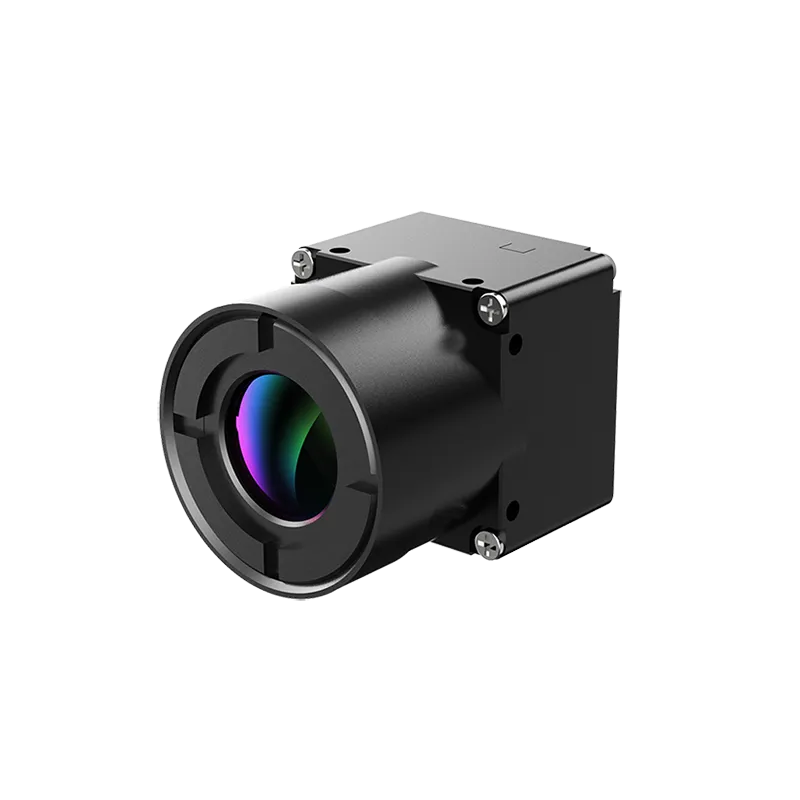
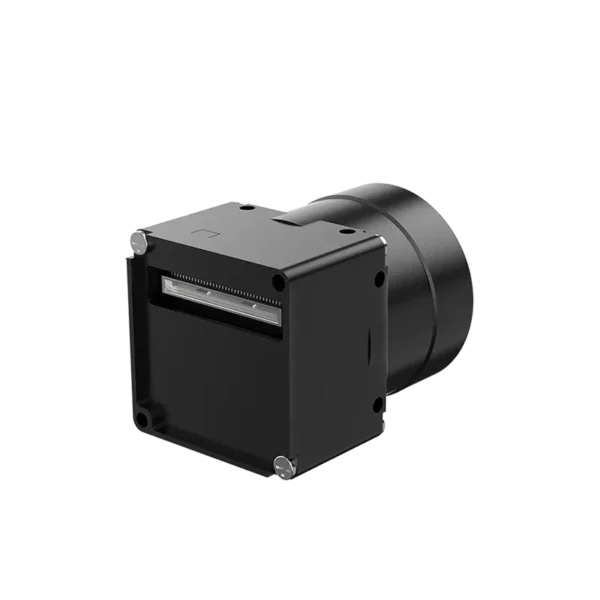
A thermal monocular’s core capability is defined at the detector level. Verytek’s UVR Series employs a vanadium oxide microbolometer focal plane array with 12 μm pixel pitch, achieving NETD ≤ 40 mK sensitivity across the −40 °C to +80 °C operating range. Italy’s deployment environments span both ends of this range: northern Alpine inspection sites reach −15 °C in winter, while Sicilian summer field operations and industrial facilities in the Po Valley regularly exceed 40 °C. The 80 g shock and 6.06 g vibration tolerance qualifies UVR modules for helicopter-mounted heritage survey payloads, agri-drone platforms, and port authority patrol vessel camera installations.
Core UVR Series Advantages for Italian Thermal Monocular OEMs
- NETD ≤ 40 mK sensitivity: resolves sub-degree Celsius temperature differentials essential for detecting moisture ingress in historic masonry and stress fractures in marble facades.
- Shutterless algorithm correction: continuous imaging without NUC blackout — critical for heritage drone survey video documentation and live port surveillance feeds.
- 12 μm pixel pitch compact optics: 21×21×10.3 mm module footprint enables integration into lightweight drone payloads suited to Italy’s strict airspace weight regulations over heritage zones.
- Multiple interfaces (USB 2.0, MIPI, DVP, UART/I2C): supports Italian agri-tech startups using Raspberry Pi platforms and established OEMs using industrial FPGA-based designs.
- −40°C to +80°C operating range: covers Alpine winter surveys through Mediterranean summer port operations without thermal performance degradation.
Cultural Heritage Thermographic Inspection in Italy
Thermographic Survey of Historic Structures
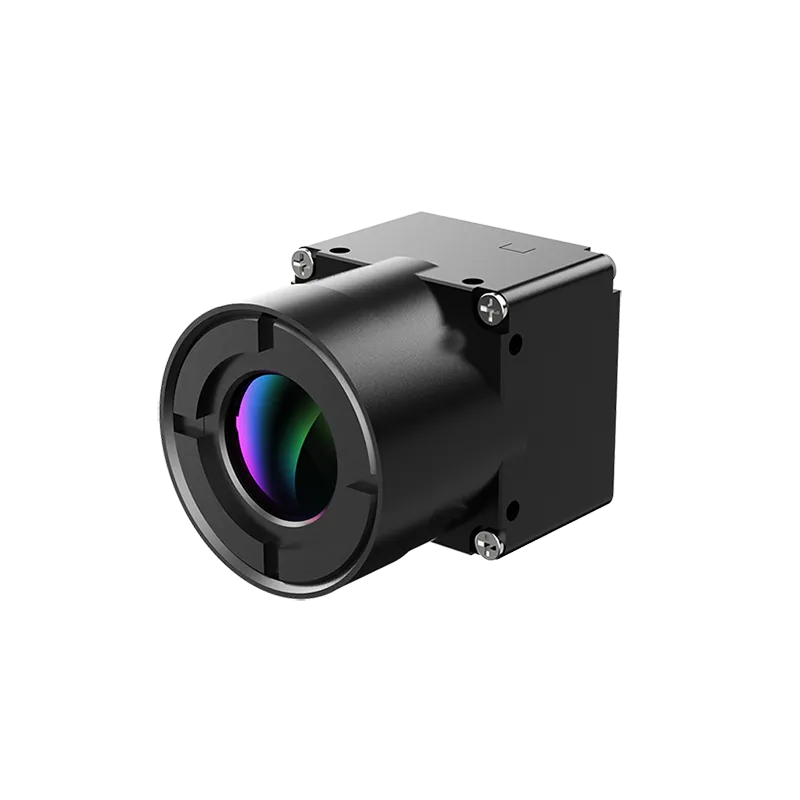
Italy is home to more UNESCO World Heritage Sites than any other country — from the Vatican’s Renaissance frescoes to the Roman Colosseum, Pompeii’s preserved ruins, and medieval hill towns across Tuscany and Umbria. Thermographic inspection using thermal monoculars has become an essential tool for conservation architects and restorers, enabling non-invasive identification of moisture infiltration, structural delamination, and subsurface crack networks in historic stonework, mosaic floors, and painted plaster. The UVR3 (384×288, shutterless, <8.6 g) is well suited for handheld thermal monoculars used in confined heritage interiors — the compact 21×21×10.3 mm footprint fits sealed, non-invasive enclosures required for museum and church environments. InfraTec’s thermography application documentation covers the sensitivity and resolution requirements for subsurface anomaly detection in heritage conservation surveys.
Agricultural Monitoring: Vineyards, Olive Groves, and Citrus
Italy is Europe’s largest wine producer and a leading exporter of olive oil and citrus fruit — agricultural sectors where precision thermal monitoring of crop canopy temperature, irrigation system performance, and disease stress enables yield protection at continental scale. Drone-mounted thermal monoculars built around UVR Series modules are deployed across Tuscan and Sicilian vineyards to detect water stress differentials indicating irrigation failures, and across Puglia’s vast olive groves to identify pest damage heat signatures before visible symptoms appear. The UVR2 (256×192, <7 g, <0.35 W) provides the lowest SWaP option for multi-sensor agri-drone payloads where battery endurance is the primary constraint. Guide Infrared’s thermal imaging knowledge base documents the agricultural thermal sensing methodology applicable to these vineyard and grove monitoring deployments.
Mediterranean Port Security and Coastal Surveillance
Italy’s 7,600 km coastline encompasses some of Europe’s busiest commercial ports — Genoa, Trieste, Livorno, Naples — alongside fishing harbours, ferry terminals, and maritime patrol zones in the Strait of Sicily. Thermal monoculars integrated into port authority drone platforms and fixed surveillance towers provide persistent night-capable detection of vessels, personnel, and floating objects in conditions of complete darkness and sea haze. The UVR6 (640×512, 30/60 Hz) delivers the resolution and detection range required for reliable maritime identification at the extended standoff distances used in open-port environments. Hikvision’s public safety thermal integration documentation illustrates how LWIR modules of this specification tier are embedded in port and coastal security platforms. For drone operators in Italian maritime zones, the EASA civil drone regulatory framework governs the operational parameters within which thermal UAV payloads must perform.
Italy’s role as a primary arrival point for Mediterranean maritime traffic — including commercial fishing vessels, ferry lines, and the movement of goods through Adriatic ports — drives sustained demand for thermal monocular technology across both public safety and customs enforcement applications. The Mordor Intelligence uncooled infrared imaging market analysis identifies maritime and coastal surveillance as one of the most consistently growing government application segments for LWIR modules in Southern Europe.
Choosing the Right Thermal Monocular Module for Italian OEMs

The complete UVR Series specification table, sourced from Verytek’s official product page, provides the authoritative data for Italian procurement and integration decisions.
| Model | Resolution | Frame Rate | Pixel Pitch | NETD | Power (USB @25°C) | Weight (w/o lens) | Dimensions |
|---|---|---|---|---|---|---|---|
| UVR6 | 640×512 | 30/60 Hz | 12 μm | ≤40 mK | <0.7 W | — | 21×21×10.3 mm |
| UVR3 | 384×288 | 30/60 Hz | 12 μm | ≤40 mK | <0.42 W | <8.6 g | 21×21×10.3 mm |
| UVR2 | 256×192 | 25/50 Hz | 12 μm | ≤40 mK | <0.35 W | <7 g | 21×21×10.3 mm |
Recommended UVR Module by Italian Thermal Monocular Application
- Heritage thermographic survey device: UVR3 (384×288, shutterless) via USB 2.0; NETD ≤ 40 mK resolves subsurface moisture anomalies in historic masonry at the sensitivity level conservation standards require.
- Agricultural multi-sensor drone payload: UVR2 (<7 g, <0.35 W) via UART/I2C for agri-IoT MCU integration; MIPI CSI-2 for SoC-based precision agriculture computers used by Italian agri-tech companies.
- Port surveillance fixed camera: UVR6 via DVP/BT656 for SCADA integration with existing port monitoring infrastructure; 640×512 resolution for positive vessel identification at open-port standoff distances.
- Maritime patrol UAV payload: UVR6 via MIPI CSI-2 for NVIDIA Jetson edge AI; shutterless correction ensures uninterrupted surveillance video during extended coastal patrol missions.
Verytek UVR Series modules have been delivered in volume and validated in mass-production UAV and industrial platforms globally, providing the supply chain reliability that Italian OEMs require for product development programmes and government procurement submissions. For technical reference on thermal imaging standards applicable to Italian industrial and heritage applications, IEC standards for infrared thermometry instruments provide the applicable framework for engineering compliance assessments.
“The UVR series delivers a balanced combination of performance, compact size, light weight, low power consumption, and cost efficiency — fully compliant with SWaP requirements for airborne platforms.” — Verytek Product Documentation
Source Precision Thermal Monocular Modules for Italian Industries from VERYTEK
Whether you are designing cultural heritage survey instruments, agricultural UAV payloads, Mediterranean port security platforms, or coastal surveillance systems, Verytek’s UVR Series LWIR modules are the thermal monocular sensing core your product needs.
Explore full specifications and contact us at the Verytek UVR Series thermal imaging module page. Contact VERYTEK today to source precision thermal monoculars tailored for Italian industry needs.