

You should follow easy steps when picking an OEM supplier for handheld thermal monoculars in 2026. Choosing a supplier affects your product’s quality and reliability. It also impacts your business growth. Now, OEM customization for handheld thermal monoculars Wholesale thermal monocular gives you more choices than before. New trends in thermal imaging and flexible design help you be different. Use checklists and comparison tables to make good decisions.
Key Takeaways
Check if the supplier can make many products. Make sure they have different thermal monocular models. See if they can change things to fit your needs.
Look at how long the supplier has worked in this field. Find out if people trust them. Check for good signs like IP54/IP67 ratings. Read customer reviews to see if people are happy.
Make sure the supplier checks their products for quality. Ask for papers that show they follow rules. Get reports that prove the products work well.
Compare prices and help after you buy. Look for clear warranty rules. Make sure they fix things quickly if something breaks.
Always try out samples before you choose. Check how long the battery lasts. Look at the image quality. Make sure it works with your devices.
Key Factors for Choosing a Thermal Monocular OEM
Production Capabilities and Product Range
You must see if the supplier can make what you need. Pick a supplier with many handheld thermal monoculars. They should have strong production skills. Some suppliers now make lighter models. These are 30% less heavy than old ones. Some products have GPS and electronic compass. Better waterproofing and battery life matter too.
Here is a table showing important production capabilities:
Capability Type | Details |
|---|---|
Customization Options | Customized development of ballistic calculation system, brand appearance design |
Quality Control Measures | High-precision calibration and image processing solutions |
Technical Support | Comprehensive product customization services, including design and sampling support |
A good supplier helps with design and mold making. They also export finished products. These services let you get the thermal monocular you want.
Checklist for Evaluating Production Capabilities and Product Range:
Does the supplier offer a variety of thermal monocular models?
Can you request custom features or designs?
Does the supplier provide technical support for design and sampling?
Are the products lightweight and durable?
Do the products include advanced functions like GPS or improved battery life?
Experience and Reputation
Pick a supplier who has made thermal monoculars for years. A supplier with many products shows skill. Look for quality signs like IP54/IP67 and drop resistance. These features mean the supplier cares about strong and reliable products.
Here is a table showing signs of experience and reputation:
Evidence Description | Details |
|---|---|
Product Range | Offers a variety of handheld thermal cameras and related products |
Quality Assurance | Features like IP54/IP67 protection and drop resistance |
Manufacturing Process | In-house core components and mature production lines |
Supply Chain Management | Tightly controlled supply chain and strict quality control processes |
B2B Export Experience | Years of experience in international markets |
You can ask for references or check buyer reviews. Suppliers with B2B export experience can meet your needs and deliver on time.
Quality Control and Certifications
Quality control matters a lot when picking a supplier. Each thermal monocular should be factory-calibrated. It must have temperature compensation. You should get calibration files and performance reports. Pick suppliers who give compliance papers like CE/RoHS packs, manuals, datasheets, and test reports.
Here is a table showing quality control processes and certifications:
Quality Control Process/Certification | Description |
|---|---|
Factory Calibration | Every unit is factory-calibrated with temperature compensation and ships with calibration files and performance reports |
Compliance Documentation | CE/RoHS packs, manuals, datasheets, CAD/STEP, test reports—audit-ready from day one |
Quality Assurance | Serial traceability and batch QA; 24–72h root-cause & CAPA; tiered warranty, RMA, spare-parts matrix |
International certifications make the supplier more trustworthy. ISO9001 means strict quality management. CE certification lets you sell in Europe. FCC certification means legal use in the US.
Certification | Description | Impact on Credibility |
|---|---|---|
ISO9001 | Strict QMS compliance; ensures product stability & reliable service | Enhances trust in product quality |
CE | Meets EU access standards; ensures legal circulation | Validates compliance with European regulations |
FCC | Ensures legal use in the US market | Confirms adherence to US safety standards |
Tip: Always ask for certification documents and quality reports before placing an order.
Pricing and Support
Compare prices and after-sales support from suppliers. Prices should match the quality and features you want. Some suppliers give tiered warranties and spare parts. They respond fast to repair needs. Good support helps you fix problems quickly.
Practical Tips for Comparing Pricing and Support:
Request detailed price lists and compare them.
Ask about warranty terms and spare parts availability.
Check if the supplier offers fast repair or replacement services.
Make sure the supplier provides clear communication and technical support.
To pick the right supplier, check production skills, experience, quality control, certifications, price, and support. Use the checklist above to help you decide.
OEM Customization for Handheld Thermal Monoculars
Customization Options and Integration
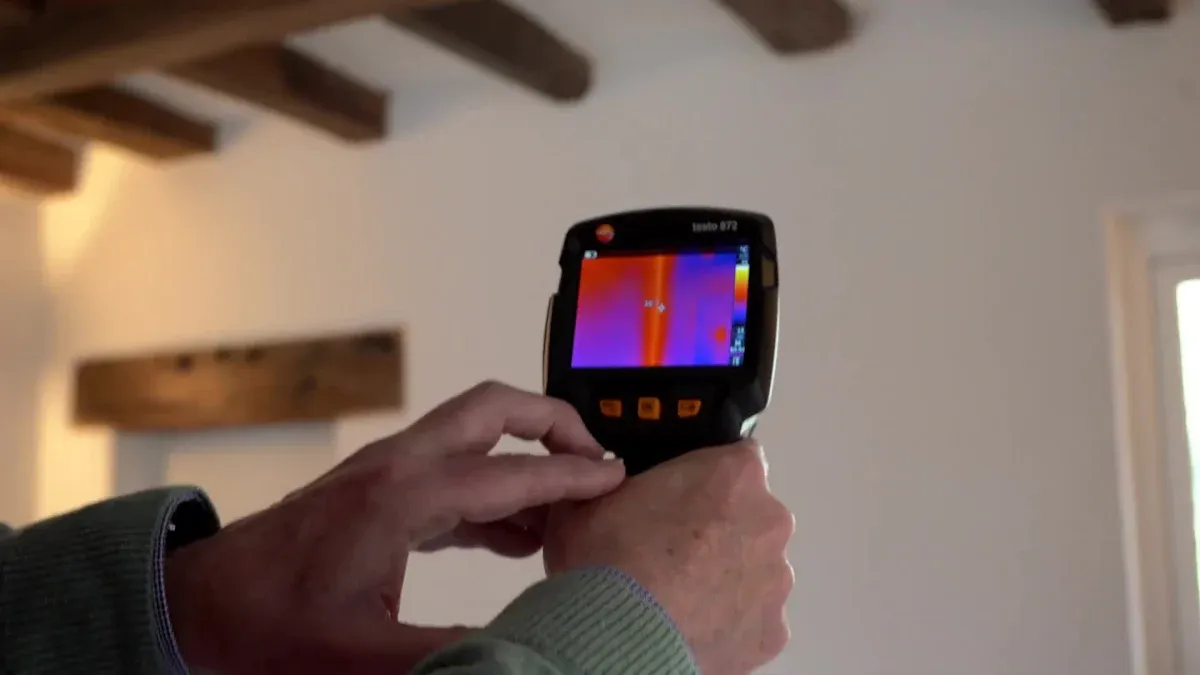
You can pick oem customization for handheld thermal monoculars wholesale thermal monocular to fit your brand and what your customers want. Many suppliers let you add your own logo, special packaging, or graphics. You can choose these things if you order enough units. The table below shows the most popular choices and how many you must buy:
Customization Option | |
|---|---|
Customized logo | 50 pieces |
Customized packaging | 100 pieces |
Graphic customization | 100 pieces |
It is important that all features work well together in your handheld unit. You may want GPS or a laser rangefinder to work with your device. If these do not work right, people might not trust your product. Suppliers need to make sure everything lines up and works every time.
Integration is very important for OEM suppliers of thermal monoculars because it affects how well the product works and if people trust it. Good alignment and drift control help all the features work right in real life. If things like laser rangefinders do not work well, people will not trust the product, especially if it costs a lot.
Technological Expertise in Infrared Imaging
You need a supplier who is good at making high-resolution thermal imaging. Look for a team that knows about optics, electronics, software, and how things are built. Suppliers with ten years of experience in thermal imaging can do a better job. If they have special patents and a modern factory, it shows they have strong skills. You should check if the supplier can make 200,000 units each year and uses machines to test quality. Project managers and after-sales service around the world help you get what you need.
Aspect | Details |
|---|---|
R&D Team | Strong team with expertise in optics, electronics, software, and structure |
Experience | 10 years in thermal imaging technology R&D |
Patented Technologies | 50+ R&D patented technologies |
Production Base | 10,000 square meter modern facility with advanced automated equipment |
Production Capacity | |
Quality Control | ISO9001 certification, fully automated testing, 100% factory inspection |
Service Support | Dedicated project manager, technical training, global after-sales service |
Compliance with Industry Standards
You must make sure your supplier follows all the rules for the industry. These rules keep your business and your customers safe. Suppliers should follow ISO9001, CE, FCC, and EPR rules. Good quality systems make sure every device is strong and works well. You need to get datasheets, compliance packs, and quality records before you buy. Suppliers should test how well the device works and if it is waterproof. Checking small batches and quality levels helps you see if everything is right.
Standard | Description |
|---|---|
ISO9001 | Strict QMS compliance; ensures product stability & reliable service |
CE | FCC |
EPR | EU environmental compliance: waste recycling & responsibility |
Quality Assurance | Strict quality control system ensures that every device meets military-grade standards |
Deliverable | Minimum content | When you need it | Format expectation |
|---|---|---|---|
Product datasheet | final specs and tolerances | before purchase order | PDF + editable source |
Compliance pack | relevant certs and reports | before shipments | pack folder + summary |
Quality records | traceability and inspection | per batch | batch report |
You should always look at these papers and test results. This step helps you make sure the supplier does what you need and follows all the rules for oem customization for handheld thermal monoculars wholesale thermal monocular.
Validating and Comparing Thermal Monocular Suppliers
Assessing Product Samples
You should look at product samples before picking a supplier. Samples help you see how the device works in real life. You can check if the features are what you need. Test the battery life and image quality. Make sure it is easy to use. See if the thermal monoculars work with your other devices. Ask the supplier for a sample and try it in different places. Compare the price, support, and training choices.
Factor | Details |
|---|---|
Cost-Efficiency | Figure out the total cost, including buying, fixing, and training. |
Integration Capabilities | Make sure it works with your current systems and check if there is an API or SDK. |
After-Sales Support | Look for a good warranty and fast help, under 48 hours. |
Power & Battery Performance | Check battery type, how long it lasts, and if you can change it easily. |
B2B Procurement Support | Talk about shipping for big orders and ask about training for best use. |
Tip: Always try the sample in real life. See how the thermal monoculars work in hot, cold, and rough places.
Reference Checks and Site Visits
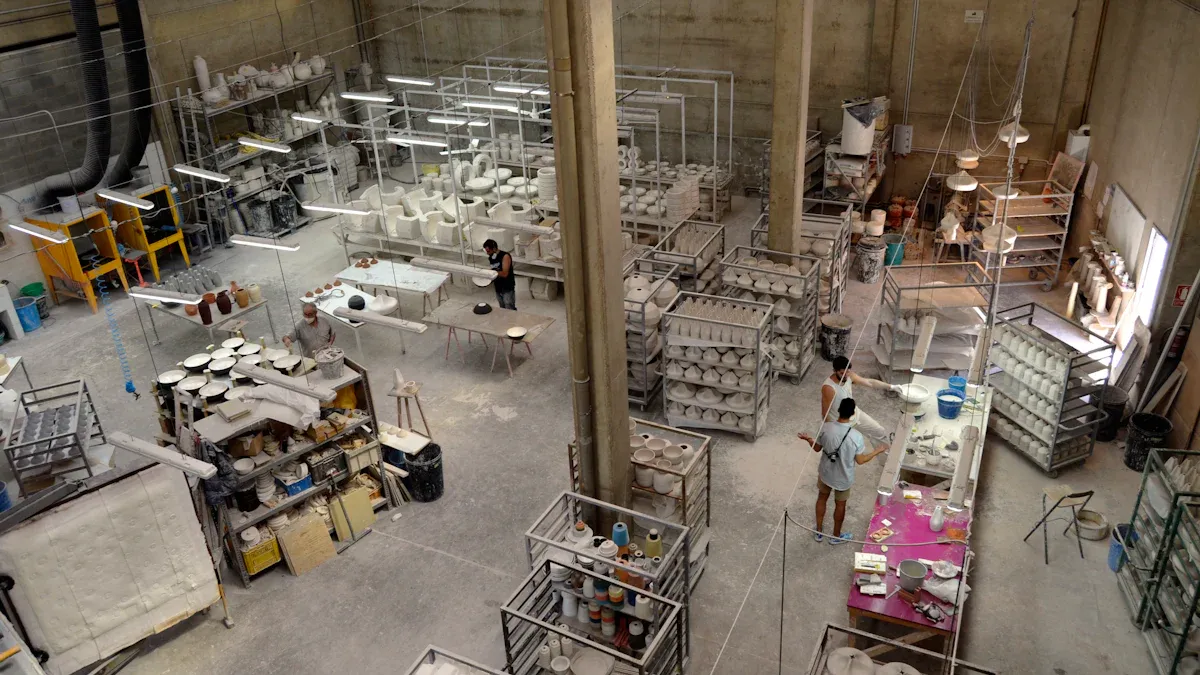
You should check if the supplier has a good name before buying. Read reviews and talk to other buyers. Ask for references and see what old customers say. If you can, visit the factory. Watch how they make thermal monoculars and check their quality steps. Ask questions about how they build things. Find out how they fix problems and keep products working well.
Pick suppliers with a good reputation.
Read what customers say to see if they are happy.
Check how the factory makes strong products.
Talk to the supplier and ask lots of questions.
Look at the supplier’s past work.
Speak to old clients for advice.
See how the supplier deals with problems and keeps quality high.
Note: Visiting the factory helps you see if they follow strict rules. You can find problems before making a big order.
Negotiating Terms and Agreements
You need to set clear rules with your supplier when buying. Write down what you want for custom features, quality, and help. Make sure the deal says how the supplier will fix problems and repairs. Ask for strong quality checks and updates on how the product works. You need good after-sales help for thermal monoculars. The supplier should help with training and tech issues.
Key Element | Description |
|---|---|
Solutions made for your needs, including what it’s made of. | |
Quality Control | Strong steps to make sure products meet rules and standards. |
Technical Support and After-Sales | Ongoing help to fix problems and make products better from feedback. |
Tip: Always check the deal for clear warranty and support. You want the supplier to fix problems fast and keep your thermal monoculars working well.
Common Red Flags to Watch For
You need to watch for warning signs when picking suppliers. Some suppliers do not like using quality systems. Others do not control changes well. If you see the product quality getting worse, you may have problems.
Red Flag | Explanation |
|---|---|
Resistance to Quality Systems | If a supplier does not want to use quality systems, it may mean they do not have good rules, which is a warning sign. |
Lack of Change Governance | Suppliers must show they control changes; if not, quality problems can happen. |
Drift in Product Quality | Without good rules, product quality can get worse, and simple checks may not catch it, causing problems for sellers. |
Alert: If you see these warning signs, look for another supplier. You want thermal monoculars that work well and last a long time.
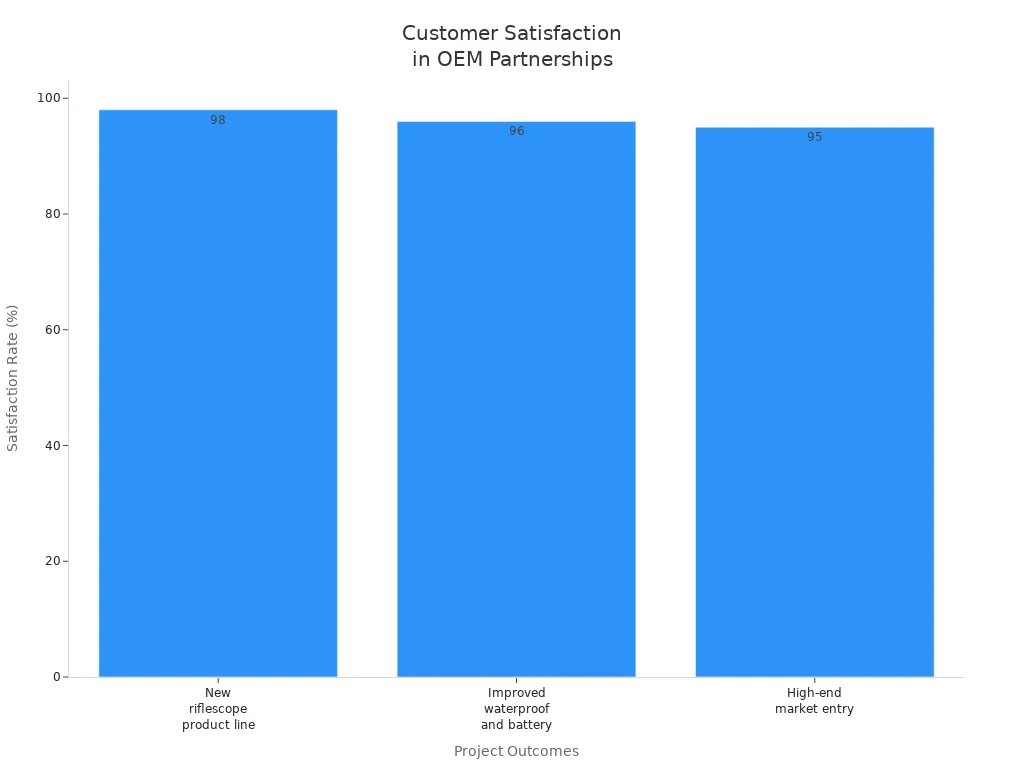
If you follow clear steps, you get better results. You look at how well the supplier makes things. You check if they have good experience and strong quality control. You also compare how they let you change and add features. You try out samples and read the deals. You make sure to care about quality every time. This helps you get better waterproofing, longer battery life, and smooth working parts. The table below shows how picking the right supplier can make your products better and customers happier.
Project Outcomes | Customization Highlights | Customer Satisfaction Rate |
|---|---|---|
Help customers develop a new thermal imaging riflescope product line | Customized development of ballistic calculation system | 98% |
Improve product waterproof performance and battery life | Lightweight design, 30% lighter | 96% |
Help customers quickly enter the high-end thermal imaging market | Integrates seamlessly with traditional optical systems | 95% |
You can see real stories from defense, security, and police groups. You use simple tools to check if the supplier is good. You feel sure about your choices. You get products that work well and last longer. You can ask a supplier for special changes or get a price quote.
FAQ
What certifications should you check before choosing an OEM supplier?
You need to look for ISO9001, CE, and FCC certifications. These show the supplier follows important quality and safety rules. Always ask for these papers before you buy anything.
How can you test the quality of a thermal monocular sample?
Check how long the battery lasts. Look at how clear the images are. Make sure the device is waterproof. Try it outside in different weather. Ask the supplier for a report about how well it works.
What is the minimum order for custom branding?
Most suppliers want you to buy at least 50 units for a custom logo. You need to order 100 units for custom packaging or graphics. See the table below for more details.
Custom Option | Minimum Order |
|---|---|
Logo | 50 |
Packaging/Graphics | 100 |
What after-sales support should you expect?
You should get quick repair service and spare parts. You also need technical help. Pick a supplier who answers your questions in less than two days. Good support helps your devices keep working.
See Also
The Importance of Thermal Imaging Cameras in 2025
Using Vanadium Oxide Thermal Imaging Cameras for Rescue Operations
Utilizing Thermal Imaging Cameras for Search and Rescue in 2025
Best Wireless Android Auto Adapters Reviewed for 2025
What Factors Influence Audi Owners’ Android Auto Adapter Choices?