
You rely on a UGV thermal module to give unmanned ground vehicles the ability to see beyond what the human eye can detect. In darkness or through smoke, this technology captures heat signatures, making hidden hazards visible and improving safety. Thermal imaging outperforms standard cameras in fog, rain, and even through debris. Verytek stands at the forefront of thermal imaging innovation, with the VN2 series setting a high standard for reliability and advanced performance in demanding conditions.
Key Takeaways
Thermal modules enhance visibility in low-light conditions, allowing UGVs to detect hidden hazards through smoke, dust, and darkness.
The VN2 series features a compact design and low power consumption, making it ideal for integration into small robotic platforms without sacrificing performance.
Real-time data processing in the VN2 series ensures smooth imaging, which is crucial for navigation and quick decision-making in critical situations.
Durability is key; the VN2 module withstands extreme temperatures and vibrations, ensuring reliable operation in harsh environments.
Selecting the right thermal module involves considering resolution, durability, and compatibility to maximize safety and efficiency in your UGV operations.
How thermal modules work in UGVs
Thermal imaging principles
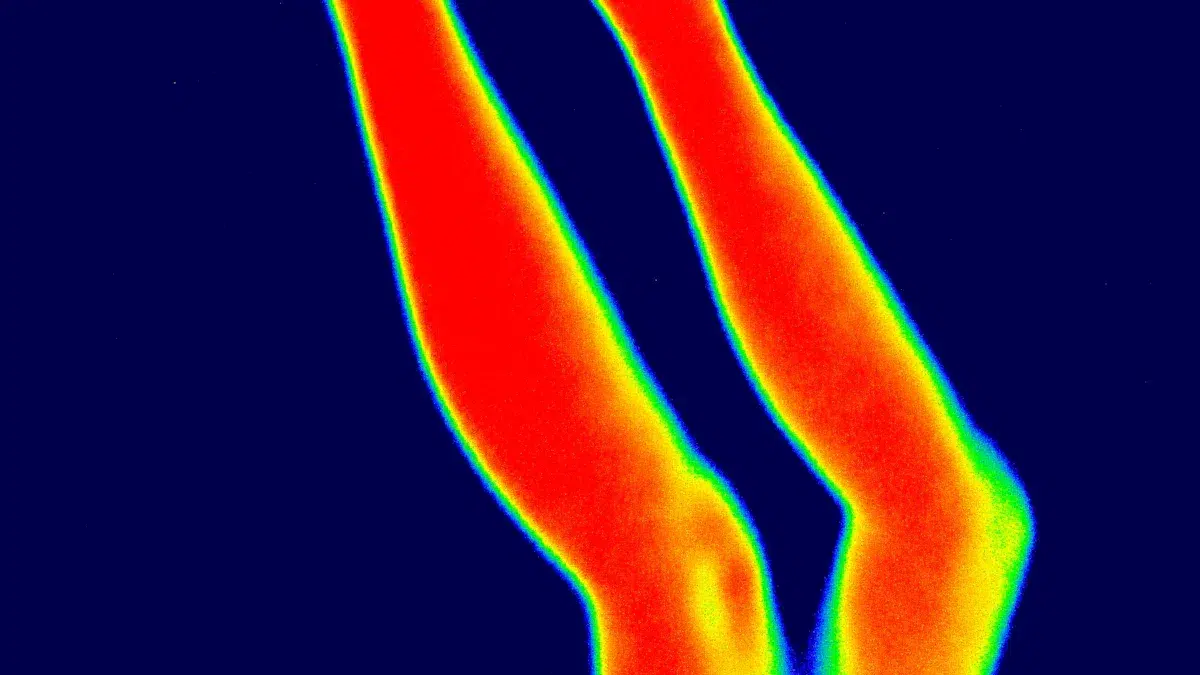
You depend on thermal imaging to give your unmanned ground vehicle the power to see heat, not just light. A thermal module detects infrared radiation, which every object emits based on its temperature. Most UGVs use long-wave infrared (LWIR) detectors because they can sense heat signatures even in total darkness or through smoke and dust. Uncooled infrared detectors, like those in the VN2 series, do not require bulky cooling systems. This design keeps the module lightweight and energy-efficient, making it ideal for mobile platforms.
LWIR detectors help you identify heat signatures from vehicles or people, which is crucial for tasks like search and rescue or security.
These detectors enable stand-off detection, so you can spot threats from a safe distance without putting operators at risk.
The VN2 series uses a vanadium oxide uncooled infrared focal plane array. This technology ensures reliable performance in harsh environments, including high temperatures and strong vibrations. The compact structure of the VN2 module allows you to integrate it into tight spaces, such as small robotic gimbals, without sacrificing image quality.
Integration with UGV systems
You need a thermal module that fits seamlessly into your UGV platform. The VN2 series offers a modular design with multiple digital interfaces, making integration straightforward. Its small size and low power consumption mean you can install it on compact robots without affecting mobility or battery life.
Many leading thermal modules, like Teledyne FLIR’s Hadron 640R and the Lepton micro thermal camera, focus on optimized size, weight, and power (SWaP) for easy integration into UGVs and robotic platforms.
Industry standards, such as VITA 75, define physical dimensions and connector schemes. These standards help you swap subsystems and upgrade your vehicle without major redesigns.
VITA 75 also provides smaller standardized footprints compared to traditional solutions, which enhances your ability to fit advanced sensors into limited spaces.
Integration challenges often appear at system boundaries. Even when components follow open standards, differences in timing, data formats, or thermal behavior can affect system performance. These factors can impact how accurately your UGV perceives its environment and how reliably it navigates or responds to commands.
The VN2 series addresses these challenges with a robust and compact design. Its structure resists shock and vibration, so you can trust it to keep working after impacts or in rough terrain. The module also withstands extreme temperatures, continuing to deliver usable images even in fire scenes or high-heat environments.
Data processing and output
You rely on real-time data from your thermal module to make quick decisions. The VN2 series features a second-generation infrared ISP chip and a shutter-less algorithm. This combination delivers smooth, stutter-free imaging, which is essential for navigation and threat detection.
The module processes thermal data internally, correcting for non-uniformity and adjusting brightness and contrast automatically. You can zoom digitally from 1.0 to 8.0×, and choose from multiple color palettes to highlight important details. The output integrates directly with your UGV’s onboard computer or remote control system, providing clear thermal images for immediate analysis.
Feature | VN2 Series Advantage |
|---|---|
Image Processing | Advanced ISP, shutter-less algorithm |
Integration | Multiple digital interfaces, compact |
Durability | Shock-resistant, high-temp capable |
Power Consumption | Less than 0.7W |
With the VN2 series, you get a thermal module that combines high performance, easy integration, and rugged reliability. This ensures your UGV can operate safely and effectively, even in the most demanding environments.
Applications of verytek VN2 thermal modules
Defense and security
You can rely on the VN2 series to strengthen your UGV’s role in defense and security. The thermal module detects heat signatures from vehicles, people, or hidden threats, even in total darkness or through smoke. You gain a tactical advantage by seeing what standard cameras miss. The VN2’s compact and rugged design resists shock and vibration, so you can deploy it in harsh environments without worry. Its ability to operate in extreme temperatures means you get reliable imaging during fire scenes or in high-heat zones. This makes your unmanned ground vehicle a powerful tool for perimeter monitoring, intrusion detection, and battlefield awareness.
Industrial inspection and hazardous environments
You improve safety and efficiency when you use a VN2 thermal module for industrial inspections. The module provides real-time monitoring, which is crucial for immediate hazard detection. You reduce the need for human presence in dangerous areas, keeping your team safe. With a UGV equipped with thermal imaging, you can:
Monitor hazardous zones continuously and autonomously.
Detect risks before they escalate, helping you forecast and prevent accidents.
Collect high-quality data faster than manual inspections allow.
Keep personnel out of harm’s way during inspections in toxic or explosive environments.
Analyze data instantly, so your safety teams can respond quickly.
The VN2’s small size allows you to integrate it into compact robotic gimbals, giving you access to tight or hard-to-reach spaces. Its robust structure ensures it keeps working after impacts or in areas with strong vibrations.
Search and rescue operations
You speed up search and rescue missions with the VN2 series. The thermal module helps you locate missing persons by detecting human heat signatures, even behind debris or in void spaces where you cannot see directly. You benefit from advanced imaging that works in darkness, smoke, or dust. The integration of AI and machine learning with thermal data improves detection accuracy and reduces false alarms. This technology gives you the information you need to act fast and save lives.
Key benefits of thermal modules
Enhanced visibility and safety
You need your unmanned ground vehicle to operate in environments where visibility is poor. A thermal module gives you the advantage of seeing through smoke, dust, and darkness. Unlike standard cameras that rely on reflected light, thermal modules detect radiated heat. This allows you to identify people, vehicles, or hazards that would otherwise remain hidden.
Feature | Description |
|---|---|
Detection Method | Uses radiated heat instead of reflected light |
Visibility | Effective in smoke, dust, and light fog |
Application | Ideal for surveillance, search and rescue, military |
You can trust thermal imaging for reconnaissance and identifying concealed threats. The technology operates effectively in low-light and obscured environments, making it essential for safety-critical missions.
Low power and high efficiency
You want your UGV to run longer and perform reliably. The VN2 series stands out with its low power consumption—less than 0.7W. This efficiency means you can extend mission duration without frequent battery changes. The compact size and lightweight design make integration easy, even in small robotic gimbals. You also benefit from a robust structure that resists shock and vibration, so your system keeps working after impacts or in rough terrain.
Tip: Choose a thermal module with a compact and sturdy design to avoid damage during explosions or collisions. This ensures your UGV remains operational in extreme conditions.
Real-time performance with VN2 series
You need real-time data for quick decisions. The VN2 series delivers high frame rates and a shutter-less algorithm for smooth, stutter-free imaging. You see clear thermal images instantly, which is crucial for navigation and threat detection. The module’s advanced ISP chip processes data quickly, so you never miss important details. You can rely on the VN2 series to provide usable images, even in high-temperature environments like fire scenes.
With these benefits, you equip your UGV with technology that enhances safety, efficiency, and operational reliability in the most demanding scenarios.
Essential features and selection tips
Resolution and range
You want your UGV to detect threats and obstacles with precision. Resolution determines how much detail you see in a thermal image. Higher resolutions, such as 640×512, allow you to identify people, vehicles, or hazards at greater distances. Lower resolutions may suffice for basic navigation or close-range monitoring. Range depends on both the detector’s sensitivity and the lens you select. For missions in large or open areas, choose a thermal module with a higher resolution and a lens that matches your required detection distance.
Tip: Match the resolution and lens to your mission profile. For search and rescue, prioritize higher resolution for better identification in cluttered environments.
Durability and integration
You need a thermal module that withstands harsh conditions. UGVs often face shocks, vibrations, and extreme temperatures, especially during defense or industrial missions. A robust and compact structural design helps prevent damage from impacts or explosions. Secure cable connections reduce the risk of detachment during sudden movements. Reliable image output in high-temperature environments, such as fires, ensures your UGV keeps working when you need it most.
Durability in thermal management systems is essential for unmanned ground vehicles because it ensures they can withstand harsh environmental conditions. Integration into the overall vehicle architecture helps mitigate potential failure modes. This approach enhances long-term reliability, especially in electrified systems. When you select a module, look for features like shock resistance, wide operating temperature range, and a form factor that fits small robotic gimbals.
Power and compatibility
You want your UGV to operate for extended periods without frequent battery changes. Select a thermal module with low power consumption to maximize mission duration. Compatibility with your UGV’s onboard systems is also critical. Multiple digital interfaces make integration easier and support flexible deployment across different platforms. An ultra-compact size allows you to install the module in tight spaces, improving gimbal flexibility and reducing the risk of damage during impacts.
Note: Always verify that your chosen module supports your UGV’s power supply and data interface standards. This step prevents integration issues and ensures smooth operation in the field.
Challenges and future trends
Environmental and operational limits
You face several challenges when deploying a thermal module in unmanned ground vehicles. Environmental extremes, such as high heat, freezing temperatures, and moisture, can affect both performance and reliability. For example, sub-zero temperatures reduce battery life and power, while high heat can cause overheating and degrade system integrity. Moisture from condensation or fog may damage electronic parts and cloud optical systems, leading to slower response times and less reliable data.
You must also consider the physical demands on your equipment. Shocks, vibrations, and impacts can cause damage or disconnect cables, especially in explosive or collision-prone environments. Compact and robust structural design helps you overcome these issues. The following table summarizes common limitations:
Limitation Type | Description |
|---|---|
Thermal Management | Smaller UGVs may overheat, reducing reliability. |
Power Consumption | High power use increases heat, requiring efficient management. |
Battery Life | Long missions are limited by battery technology. |
Note: Flexible heaters and advanced thermal management systems help maintain clear imagery and consistent data, even in harsh conditions.
Cost and maintenance
You need to plan for both the initial investment and ongoing costs when adding a thermal module to your UGV. Expenses include equipment, software, training, and certifications. Regular upkeep, such as inspections and firmware updates, is essential for smooth operation and reliability. Maintenance costs can add up, so budgeting is important. Consistent care reduces operational issues and extends the life of your system.
Cost Category | Estimated Range | Notes |
|---|---|---|
Initial Equipment | $5,000 – $10,000 | Includes UGV, thermal module, and basic accessories |
Software & Licensing | $500 – $2,000/year | Depends on software complexity and storage needs |
Operator Training | $200 – $1,500 | One-time cost |
Certifications | $75 – $200 | Includes pilot certificates and state fees |
Annual Operational | $700 – $2,500 | Covers batteries, insurance, and basic maintenance |
Regular inspections and updates keep your system reliable.
Maintenance costs require careful budgeting.
Consistent care leads to fewer problems and better performance.
Advances in thermal module technology
You benefit from rapid advances in sensor technology. Modern thermal modules are lighter, smaller, and more affordable. These improvements make it easier to integrate them into compact robotic gimbals. Higher bit-depth radiometric sensors now deliver better data quality, even in darkness, smoke, or dust. You can expect future modules to offer higher resolution and more reliable data integration. This progress will enhance your UGV’s ability to navigate and operate in challenging environments.
You see the trend toward ultra-compact, rugged designs that resist shock and extreme temperatures. Wide dynamic range and advanced algorithms help prevent “thermal blindness” in high-heat scenes, ensuring you always get usable images. As technology evolves, you will have access to smarter, more resilient thermal imaging solutions for every mission.
You see the impact of advanced imaging on unmanned ground vehicles. The VN2 series from verytek gives you reliable performance in extreme environments. You benefit from a compact structure that resists shock and heat. You improve mission success by choosing features that match your needs. Stay informed about new technology to keep your UGV at peak performance.
Tip: Review your application requirements before selecting a module. This helps you maximize safety and efficiency.
FAQ
What makes the VN2 series suitable for harsh environments?
You get a thermal module with a compact and robust structure. The VN2 series resists strong vibrations and impacts. You can trust it to keep working after explosions or collisions, which is essential for demanding field operations.
Can the VN2 module deliver usable images in extreme heat?
Yes. You receive clear thermal images even in fire scenes or high-temperature zones. The wide dynamic range and advanced algorithms prevent “thermal blindness,” so you always see critical details.
How does the VN2 series help with integration into compact UGVs?
You benefit from an ultra-small form factor. The VN2 module fits easily into tight robotic gimbals. This design allows your UGV to move flexibly and reduces the risk of cable detachment during sudden movements.
What problems do traditional thermal modules face in tough missions?
Traditional modules often fail after shocks or high heat. You may see whiteout images or lose signal if cables disconnect. Large modules also limit your robot’s movement.
Why should you choose verytek’s VN2 series for your UGV?
You gain a module with a sturdy design, wide temperature tolerance, and advanced imaging. The VN2 series supports multiple digital interfaces, making integration simple. You get reliable performance for defense, rescue, and industrial applications.
See Also
Using Vanadium Oxide Thermal Cameras for Effective Rescues
Guide to Utilizing Thermal Imaging Cameras for Rescue Operations
The Importance of Thermal Imaging Cameras in Modern Rescue