
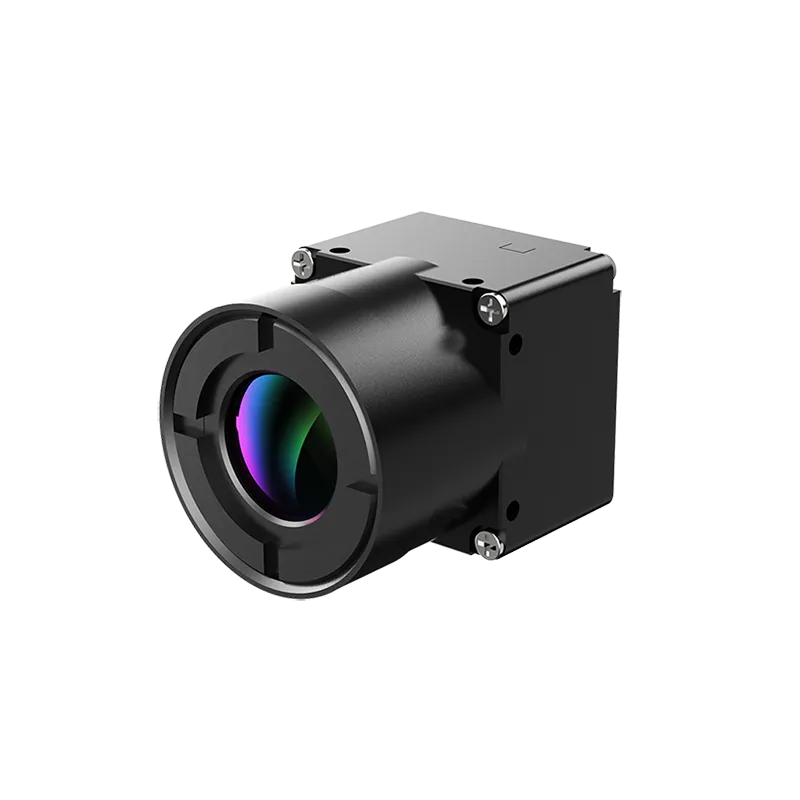
The Netherlands — home to Europe’s largest seaport at Rotterdam, a world-leading precision agriculture sector, and the North Sea’s rapidly expanding offshore wind infrastructure — creates multi-sector demand for high-performance thermal monocular technology across logistics, energy, and agri-tech domains. The LWIR detector module at the core of every thermal monocular passively images heat signatures in the 8–14 μm band, delivering actionable thermal intelligence through fog, rain, and darkness — the conditions that characterise Dutch North Sea operations and autumn port surveillance shifts. As described in thermographic camera technology, passive LWIR sensing provides a fundamentally different information layer to optical cameras, detecting temperature differentials as small as 40 mK in targets at ambient temperatures.
According to MarketsandMarkets’ infrared imaging market analysis, the Western European industrial and maritime sectors are among the strongest demand centres for professional-grade LWIR module adoption. Verytek’s UVR Series LWIR modules provide the compact, high-sensitivity sensing core that Dutch OEMs, system integrators, and offshore inspection companies need for thermal monocular and drone payload products serving the Netherlands’ most demanding professional environments.
Thermal Monocular Technology for Dutch Industrial Conditions
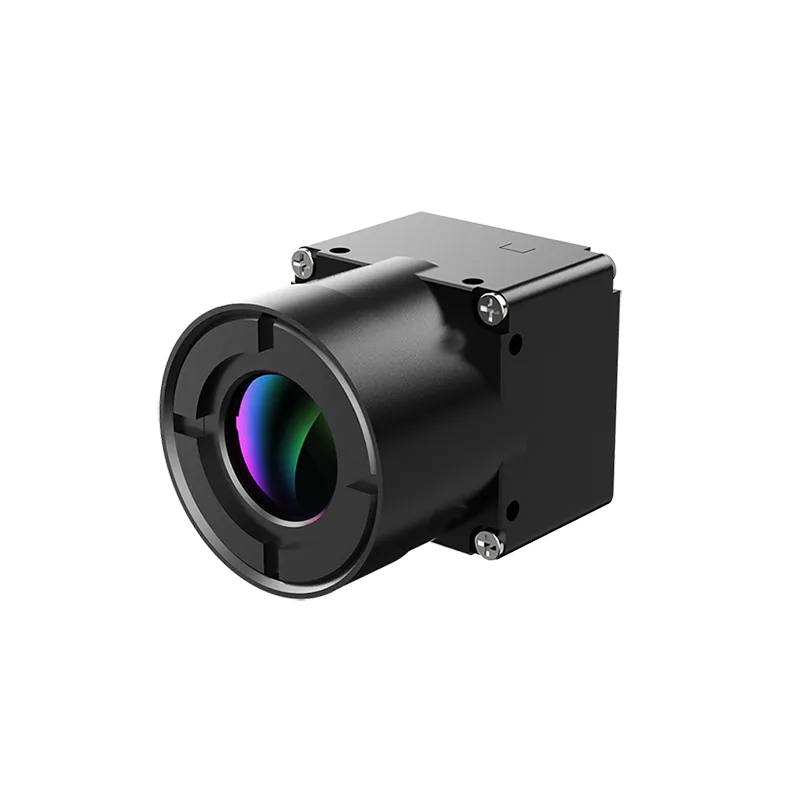
Dutch industrial deployments test thermal monoculars in wet, salt-laden, and thermally dynamic conditions: Rotterdam’s container terminals operate in North Sea fog and rain year-round; offshore wind platforms expose drone payloads to saline spray and gusting winds; and greenhouse agriculture environments combine high humidity with large temperature gradients between crop canopy and ambient air. Verytek’s UVR Series employs a vanadium oxide microbolometer focal plane array with 12 μm pixel pitch and NETD ≤ 40 mK, operating reliably from −40 °C to +80 °C, with 80 g shock and 6.06 g vibration tolerance — specifications that qualify UVR modules for the fixed-wing and multirotor UAV platforms used in Dutch offshore and port inspection.
Key UVR Series Advantages for Dutch Thermal Monocular Applications
- NETD ≤ 40 mK sensitivity: detects subtle thermal differentials in North Sea fog and low-contrast maritime environments that optical cameras miss entirely.
- Shutterless algorithm correction: no NUC blackout during continuous offshore drone flight — essential for turbine blade inspection video and port surveillance recordings.
- Compact 21×21×10.3 mm footprint: enables integration into lightweight drone payloads suited to the tight payload weight limits on North Sea offshore inspection UAVs.
- Multiple interfaces (USB 2.0, MIPI, DVP, UART/I2C): supports Dutch high-tech OEMs using FPGA-based platforms and agri-tech startups using Raspberry Pi or NVIDIA Jetson systems.
- −40°C to +80°C operating range: covers Dutch winter port operations through summer agricultural drone monitoring without performance degradation.
Port Security and Logistics Surveillance at Rotterdam
Night-Time Port Security Monitoring
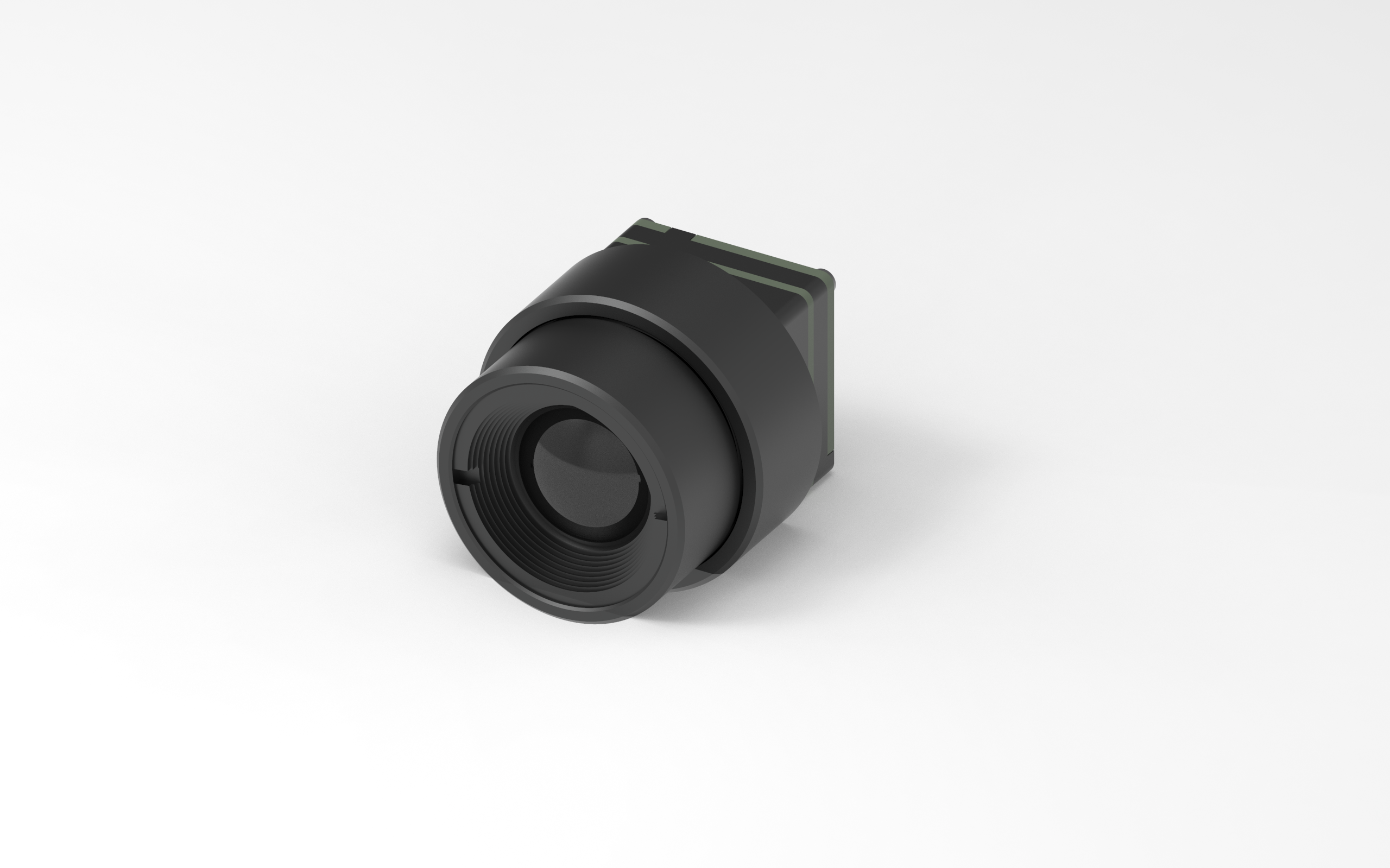
The Port of Rotterdam handles over 450 million tonnes of cargo annually, making it Europe’s busiest logistics hub and a critical infrastructure target requiring 24/7 perimeter and vessel surveillance. Thermal monoculars integrated into port authority drone platforms and fixed surveillance towers provide persistent night-capable detection of unauthorized vessel approaches, personnel in restricted zones, and floating debris near terminal infrastructure — in conditions of fog, rain, and industrial haze that defeat optical cameras. The UVR6 (640×512, 30/60 Hz) delivers the resolution needed for reliable target identification at the extended standoff distances used in open-harbour environments. Hikvision’s public safety thermal integration documentation illustrates how LWIR cores of this specification tier are embedded in port and maritime surveillance platforms.
Offshore Wind Farm Turbine Inspection
The Netherlands operates one of the world’s densest offshore wind installations, with major farms including Hollandse Kust and Borssele requiring periodic thermographic inspection to detect blade delamination, leading-edge erosion, and nacelle hotspots. Drone-mounted thermal monoculars equipped with UVR6 modules deliver the spatial resolution required for reliable anomaly detection from safe standoff altitudes in North Sea conditions. IEEE Spectrum’s wind turbine inspection research confirms that thermographic UAV imaging identifies subsurface blade defects significantly more cost-effectively than rope-access methods. The UVR3 (384×288, <8.6 g, shutterless) provides a lower-SWaP alternative for multirotor inspection drones where payload endurance is the primary constraint.
Precision Agriculture and Smart Infrastructure Monitoring
The Netherlands is the world’s second-largest food exporter by value, and its greenhouse and open-field agriculture sectors are deploying drone-mounted thermal monoculars to monitor crop canopy temperature, detect irrigation anomalies, and identify fungal disease stress in tulip bulb fields, vegetable greenhouses, and potato crops. The UVR2 (256×192, <7 g, <0.35 W) provides the lowest SWaP option for multi-sensor agri-drone payloads where battery endurance across large polder fields is the primary constraint. Its UART/I2C interface integrates directly with the agricultural IoT microcontrollers used by Dutch agri-tech companies. InfraTec’s industrial thermography documentation covers how LWIR sensors enable non-contact temperature measurement of agricultural targets at drone altitude.
For the Netherlands’ expanding smart infrastructure monitoring sector — covering dike and flood barrier health monitoring, urban heat island mapping, and water management system inspection — thermal monoculars built around UVR Series modules provide persistent thermal awareness across infrastructure assets that optical sensors cannot assess at night or in adverse weather. Mordor Intelligence’s uncooled infrared imaging market report confirms that smart infrastructure monitoring is among the fastest-growing application segments for LWIR modules in Western Europe’s highly developed engineering markets.
Choosing the Right Thermal Monocular Module for Dutch OEMs
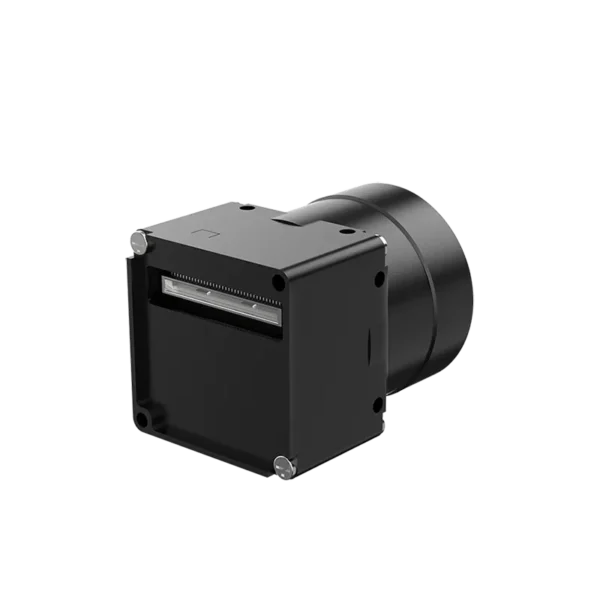
The complete UVR Series specification table, sourced from Verytek’s official product page, provides the authoritative data for Dutch procurement and integration decisions.
| Model | Resolution | Frame Rate | Pixel Pitch | NETD | Power (USB @25°C) | Weight (w/o lens) | Dimensions |
|---|---|---|---|---|---|---|---|
| UVR6 | 640×512 | 30/60 Hz | 12 μm | ≤40 mK | <0.7 W | — | 21×21×10.3 mm |
| UVR3 | 384×288 | 30/60 Hz | 12 μm | ≤40 mK | <0.42 W | <8.6 g | 21×21×10.3 mm |
| UVR2 | 256×192 | 25/50 Hz | 12 μm | ≤40 mK | <0.35 W | <7 g | 21×21×10.3 mm |
Recommended UVR Module by Dutch Thermal Monocular Application
- Port surveillance fixed camera: UVR6 (640×512, 30/60 Hz) via DVP/BT656 for SCADA integration with existing Rotterdam port monitoring infrastructure; high resolution for vessel identification at open-harbour ranges.
- Offshore wind inspection UAV: UVR3 (384×288, shutterless) via MIPI CSI-2 for edge-AI blade fault classification; low weight extends flight endurance in North Sea crosswinds.
- Precision agriculture drone: UVR2 (<7 g, <0.35 W) via UART/I2C for agri-IoT MCU integration on Dutch greenhouse and open-field monitoring platforms.
- Smart infrastructure monitoring: UVR6 via USB 2.0 or MIPI for integration with Dutch water board and municipal infrastructure management systems; shutterless correction for continuous dike condition monitoring.
Verytek UVR Series modules have been delivered in volume and validated in mass-production UAV and industrial platforms globally, providing the supply chain reliability that Dutch OEMs require. For technical reference on thermal imaging standards applicable to Dutch industrial and offshore applications, IEC standards for infrared thermometry instruments provide the applicable framework for engineering compliance assessments. Guide Infrared’s thermal imaging knowledge base offers additional technical context for engineering teams evaluating LWIR module specifications.
“The UVR series delivers a balanced combination of performance, compact size, light weight, low power consumption, and cost efficiency — fully compliant with SWaP requirements for airborne platforms.” — Verytek Product Documentation
Source Advanced Thermal Monocular Modules for the Netherlands from VERYTEK
Whether you are designing port surveillance systems, offshore wind inspection UAV payloads, agricultural monitoring drones, or smart infrastructure cameras, Verytek’s UVR Series LWIR modules are the thermal monocular sensing core your product needs.
Explore full specifications and contact us at the Verytek UVR Series thermal imaging module page. Contact VERYTEK today for tailored thermal monocular solutions designed for the Netherlands market.