

A thermal imaging monocular helps you see heat from people, animals, and things. It works even when it is totally dark. You can find wild animals or follow them. It can help in search-and-rescue when you cannot see well. More people are learning how useful thermal technology is. They use it for hunting, police work, and outdoor fun. The market for this technology is growing fast. It may be worth over $17 billion by 2035. You have more ways to use this tool than before.
Key Takeaways
A thermal imaging monocular finds heat. It helps you see in darkness, fog, or smoke. This tool is good for outdoor fun and safety.
Night vision needs light, but thermal imaging does not. It shows warm things. This helps you spot people or animals when you cannot see well.
When picking a thermal monocular, look at resolution, detection range, and battery life. These features help you get what you need.
The Verytek MV Series has many models. They work for different uses. You can use them for outdoor fun or for security and rescue jobs.
Using a thermal monocular makes outdoor trips better. It keeps you safer at night. It also helps you watch animals and protect them.
What Is a Thermal Imaging Monocular
Definition and Main Features
A thermal imaging monocular is a small tool you hold in your hand. It lets you see heat from things, animals, or people. You look through it with one eye. This makes it lighter and easier to carry than binoculars. There are many sizes and shapes to pick from. You can find one that works best for you. The tool finds heat by sensing infrared radiation. Everything around you gives off this kind of heat. You do not need any light to use it. You can see warm things even if it is very dark, foggy, or smoky.
Tip: You can use a thermal imaging monocular in lots of places. Try it in forests, fields, or when helping in rescue work. It helps you see through things or in bad weather.
Some main features of a thermal imaging monocular are:
It finds heat, not regular light.
It works in total darkness, fog, and smoke.
It is light and easy to carry.
It shows clear pictures of warm things on cooler backgrounds.
How It Differs from Night Vision
You may wonder how a thermal imaging monocular is not the same as night vision tools. Both help you see when it is dark, but they work in different ways. Night vision tools make any little bit of light brighter. This could be moonlight or starlight. They need some light to work. If it is totally dark, night vision may not help you see. Thermal imaging does not need any light. It finds heat, so you can see even when there is no light at all.
Here is a table that shows the differences:
Feature | Thermal Monoculars | Night Vision Monoculars |
|---|---|---|
Detection Method | Amplify existing ambient light or use IR illuminators | |
Performance in Darkness | Effective in total darkness, fog, smoke, and foliage | Requires some light source to function |
Environmental Adaptability | Unaffected by visible light conditions | Hindered by obstructions like fog and darkness |
Night vision works best when there is a little light. It can have trouble in fog, smoke, or heavy rain. Thermal imaging works well in these hard conditions. You can see animals or people even if they hide behind bushes or trees. Night vision shows more details in the picture. But thermal imaging makes heat stand out, so it is easier to find living things.
You use a thermal imaging monocular when you want to see heat, not just shapes or movement. Night vision helps you see when it is a little dark. Thermal imaging lets you see in total darkness and through things in your way.
How Thermal Imaging Technology Works
Infrared Detection and Heat Mapping
You may wonder how a thermal imaging monocular helps you see things your eyes miss. The answer is infrared detection. Everything around you gives off energy called infrared radiation. This energy comes from heat. Even things that seem cold, like rocks or trees, give off some heat. Hotter things give off more infrared radiation.
All objects above absolute zero give off infrared radiation. When things get hotter, they give off more radiation.
A thermal imaging monocular has special sensors to pick up this radiation. It can tell what is warm and what is cool.
The device works because hot things give off more infrared radiation than cool things. This lets you find animals, people, or machines by their heat, even in total darkness.
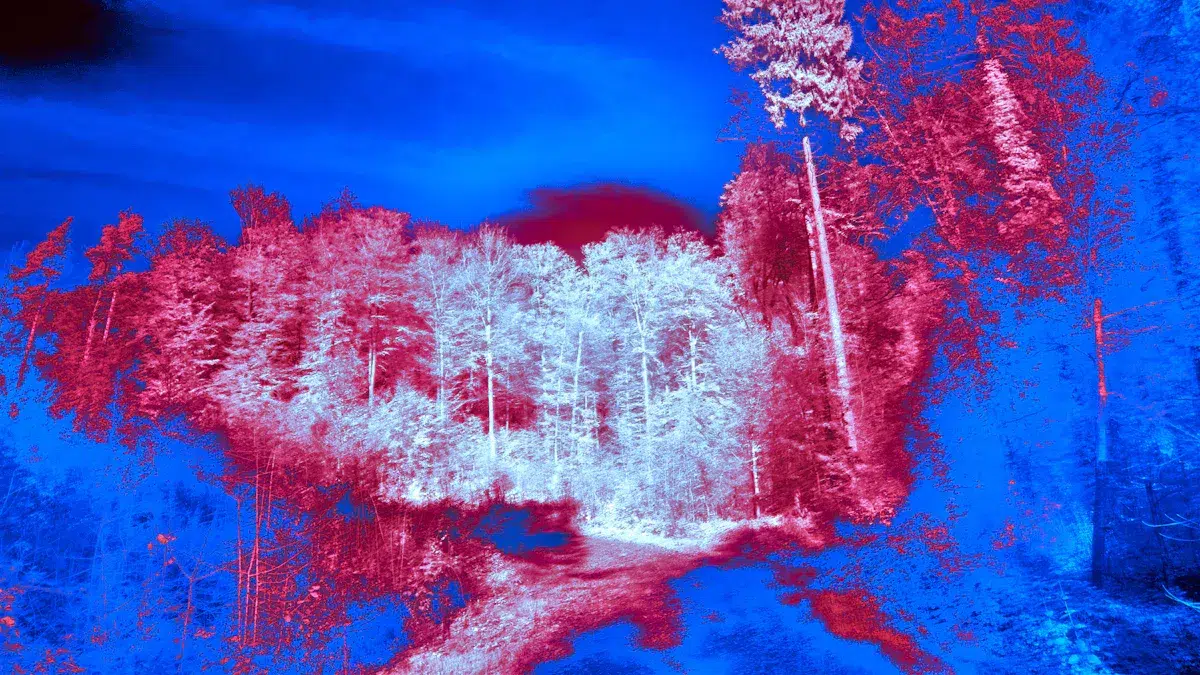
When you use the monocular, it makes a heat map. Warm things look bright, and cool things look dark. You can find living things or hot machines, even if they hide behind bushes or in fog.
Image Processing and Display
After the device finds infrared radiation, it needs to make a picture you can see. This happens in a few steps:
The sensor catches the radiation from everything you point at.
A lens focuses the infrared energy onto the sensor.
A signal processor changes the thermal data into a picture you can see.
The display shows the thermal image right away, so you can look at it.
Modern thermal imaging uses smart image processing to make pictures clearer. The device cuts down noise and makes object edges sharper. It also changes the contrast so you can see warm and cool spots better. Some systems, like Pixfra Imaging Processing System (PIPS 2.0), use special computer programs. These programs keep important thermal details and remove extra noise. You get a clearer and more helpful image, even when conditions are tough.
Advantages and Limitations
Thermal imaging technology has many benefits over regular optical tools. Here is a table that shows some main advantages:
Advantage | Description |
|---|---|
You can use thermal monoculars in total darkness or bad weather, unlike regular optics. | |
Heat signature detection | You can spot animals or people hidden behind obstacles or in low visibility. |
Enhanced safety | You can detect other people or dangers, making you safer in dark or rough places. |
There are also some limits you should know:
You cannot see small details like faces, colors, or tiny features. The device only shows heat differences.
It may not work as well in very hot places, heavy rain, or where there is a lot of background heat.
Thick brush or woods can block thermal radiation, just like they block regular light.
Thermal imaging technology lets you see things your eyes cannot. You can find heat in darkness, fog, or smoke. The device helps you explore and stay safe, but remember it has limits.
Uses of Thermal Monoculars
Security and Law Enforcement
A thermal monocular helps keep people safe. Police and security teams use it for many jobs. You can use it right away without waiting. It is light and easy to hold for a long time. The battery lasts for many hours. You can use it in rain or dust because it is tough.
Police and SWAT teams watch for movement when it is hard to see.
You spot suspects who try to hide or run away.
You find hidden things like weapons or illegal items.
You watch people secretly without them knowing.
You know what is happening fast during patrols and emergencies.
Tip: Try using a thermal imaging monocular for quick searches at night or in smoky places.
Wildlife and Outdoor Observation
A thermal monocular helps you watch animals and enjoy nature. It works day or night, even in fog or rain. You can see animals without scaring them. This helps you learn how they act in the wild. Conservation teams use thermal cameras to track rare animals and stop poachers.
You find birds that nest on the ground and keep their nests safe.
Rangers look for heat to count animals and check on new species.
You stay safe while hiking or camping by spotting animals close by.
Note: You can watch animals from far away and help keep them safe.
Industrial and Emergency Applications
A thermal monocular helps in many work and emergency jobs. It lets you find problems fast and keeps people safe. Here is a table with common uses:
Application Type | Description |
|---|---|
Health Monitoring in Livestock | Finds fever and health problems in animals so vets can help early. |
Predator Detection | Spots predators near animals at night to keep them safe. |
Maritime Security | Helps see better at night on boats and find threats early. |
Building Inspections | Shows where buildings lose heat or have problems. |
Equipment Monitoring | Finds hot spots or trouble in machines to stop breakdowns. |
You use thermal imaging to find heat leaks in buildings or spot hot machines. Emergency teams use it to find people in smoke or darkness. This technology helps you stay safe and work faster.
Why Thermal Imaging Monoculars Are Popular
Advances in Technology and Features
More people use thermal monoculars now because the technology is better. New features make these tools easier and more fun to use. There are many reasons you might want to try one.
AI-enhanced image processing helps you see clearer pictures, even when it is hard to see.
Better batteries let you use your device longer without worrying.
Smaller and lighter designs make it easy to carry your thermal monocular anywhere.
New ways to connect let you share pictures and videos with your phone or tablet.
Lower costs mean you can find cheaper options if you are just starting.
Mid-range models have more features, so you can pick what you need.
Many devices now work with smartphone apps, so you can control and see images easily.
Stronger and tougher designs help your device last longer, even outside.
Modern thermal technology helps keep you safe and helps you make good choices. For example, hunters use thermal imaging monoculars to find animals without hurting them. You can use these tools for work, fun, or to stay safe. Using a thermal monocular helps you see better in the dark, search more carefully, and have safer adventures outside.
Portability and Versatility
You can take a thermal monocular almost anywhere you go. Making these devices smaller means they are light and easy to hold. You do not need a big bag or special gear. Just grab your thermal monocular and you are ready. This makes it great for hiking, camping, or working outside.
Because handheld thermal monoculars are light and easy to carry, you can use them in many places. You might use one for security at night, watching animals, or checking machines at work. There are even more ways to use it. You can switch jobs fast and always have the right tool with you.
Tip: Try using your thermal monocular in different places to see how useful it is. You will find new ways to use it all the time.
Choosing a Thermal Monocular
Key Features to Consider
When you choose a thermal monocular, think about what you need. Each one has special things it can do. Some are better for certain jobs. You should check the main features before you buy one. Here is a table to help you compare:
Feature | Description |
|---|---|
Resolution | Higher resolution helps you see details and spot targets clearly. |
Detection Range | A longer range lets you find things far away, which is good for search and rescue. |
Refresh Rate | A rate of 30 Hz or more gives you smooth images when things move fast. |
Battery Life | Long battery life means you can use your monocular for hours without stopping. |
Ergonomics | Lightweight and tough designs make it easy to hold and use for a long time. |
Additional Features | Wi-Fi or Bluetooth lets you share images and videos quickly. |
You should also think about how simple the monocular is to use. Make sure it fits your hand well. If you want it for security, pick one that works in all weather. It should last a long time. For work or emergencies, safety and strong build are most important.
Verytek MV Series Overview
The Verytek MV Series is a great choice for many people. This thermal monocular shows clear pictures in darkness, fog, or smoke. There are three models: MV2, MV3, and MV6. Each one has different resolutions and lens choices. The laser rangefinder can measure up to 1000 meters. Wi-Fi lets you send pictures and videos to your phone right away. The shape makes it easy to hold, even for a long time.
Here is a quick look at the main specifications:
Specification | Details |
|---|---|
Resolution | 256×192, 384×288, 640×512 |
Lens Options | 15mm, 19mm, 25mm, 35mm |
Display | Color OLED, 0.39” 1024×768 |
Digital Zoom | 1× / 2× / 3× / 4× |
Weight | ≤ 400g (with battery) |
Functions | Laser rangefinder, Wi-Fi, video, snapshot, compass |
You can use this thermal monocular for outdoor fun, security, or checking machines at work.
Model Comparison and User Suitability
You want the best thermal monocular for your job. The MV2 model is good for simple outdoor use and short distances. The MV3 has better resolution. This helps with security or watching animals. The MV6 has the highest resolution and longest range. It is best for search and rescue, police, or checking big machines.
Tip: If you need to measure how far things are, get a model with the laser rangefinder. If you want to share pictures fast, pick one with Wi-Fi.
Here is an easy guide:
Choose MV2 for hiking, camping, or simple watching.
Pick MV3 for security, animals, or farm work.
Select MV6 for rescue, police, or hard jobs.
You can trust the Verytek MV Series to give you a good thermal monocular for any need.
Now you know a thermal imaging monocular helps you see heat. You can use it in the dark or when the weather is bad. These tools are great for outdoor trips, watching animals, and keeping places safe. New models show clear pictures and work in lots of places.
You can find animals or people even when it is very dark.
It works well for search and rescue or science work.
The small size makes it easy to use and share.
The Verytek MV Series has many features for different people:
Feature | Description |
|---|---|
Advanced Infrared Imaging | Finds heat in darkness, fog, and tough weather. |
Laser Rangefinder | Tells you how far things are, up to 1000 meters. |
Wi-Fi Transmission | Lets you send pictures and videos right away. |
Portable Design | Light and simple to carry with you. |
Multi-Scenario Application | Good for safety, animals, and emergencies. |
Think about what you need before you pick your device. The best thermal monocular can help you in many ways.
FAQ
How does a thermal imaging monocular help you see in the dark?
You see heat instead of light. The device shows warm objects, like people or animals, as bright shapes. You can spot things even when there is no light.
Can you use a thermal monocular during the day?
Yes, you can use it any time. It works in daylight, at night, in fog, or in smoke. You see heat differences, not sunlight or shadows.
Is a thermal monocular safe for your eyes?
Yes, it is safe. The device does not shine any light into your eyes. You only look at a screen that shows heat images.
What is the best way to clean your thermal monocular?
Use a soft, dry cloth to wipe the lens. Do not use water or harsh cleaners. Keep the device in its case when you are not using it.
See Also
Vanadium Oxide Thermal Imaging Cameras Enhance Rescue Operations
The Importance of Thermal Imaging Cameras in 2025
Utilizing Thermal Imaging Cameras for Rescue Missions in 2025
Best Reviewed AI Video Boxes for Vehicles in 2025
Key Trends Influencing Android Auto Wireless Adapter Development