
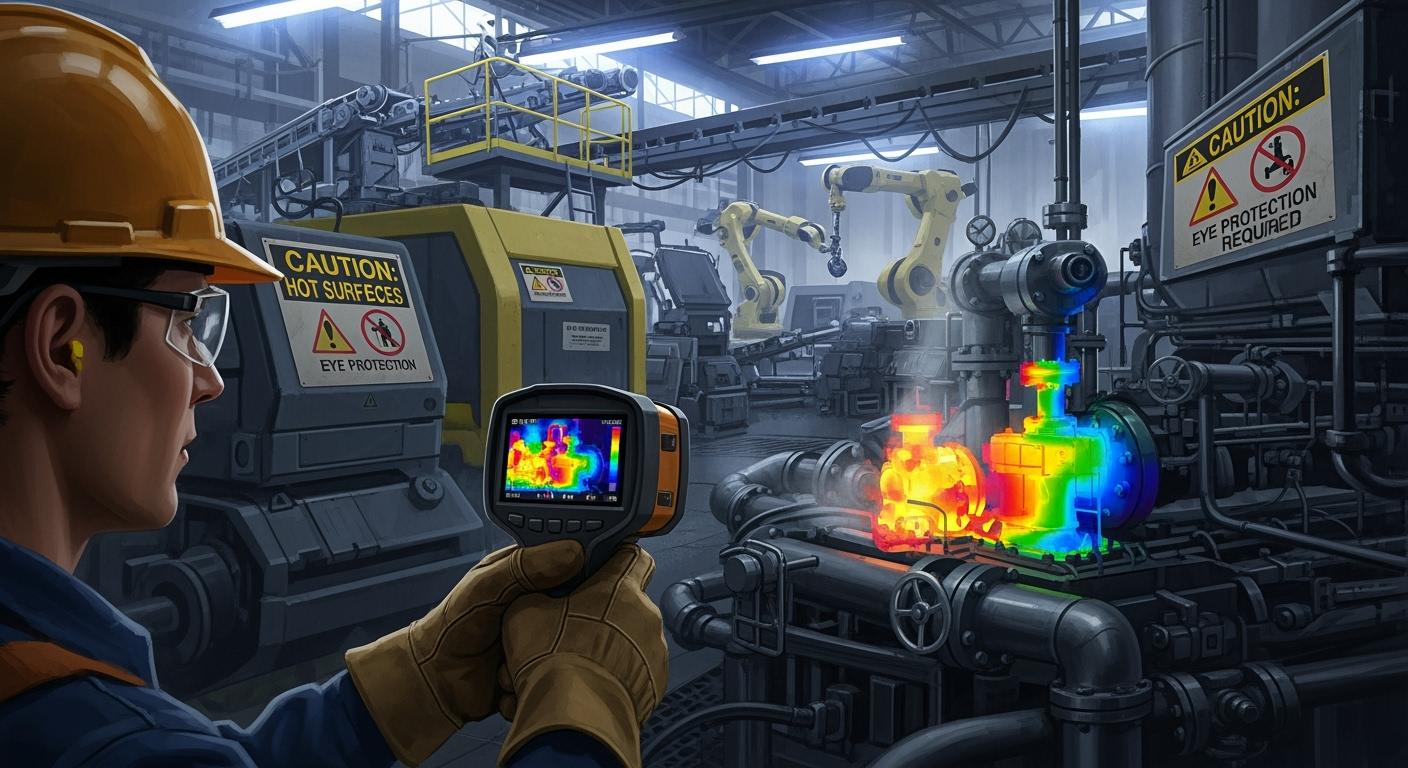
You can make your facility safer and more accurate with an ultra-high temperature thermal camera. If you use a camera like the Verytek TN460U, you get exact monitoring without touching anything, even in tough places. This tool helps you skip the wiring and setup problems that old systems have. Look at the table below to see these usual problems:
Limitation Type | Description |
|---|---|
Wiring and Installation | Complicated wiring needs lots of cables for each sensor. This makes setting up hard. |
Cost Implications | It costs a lot to set up because you need many sensors and transmitters. You also pay more for repairs later. |
Data Management Challenges | It is hard to handle data from many transmitters. You need lots of setup and wiring back to control systems. |
Ultra-high temperature thermal camera technology gives you steady monitoring and quick data for your factory. You can count on this Ultra-high Temperature Thermal Camera to help stop dangers and keep things working well.
Key Takeaways
Ultra-high temperature thermal cameras, like the Verytek TN460U, let people watch heat safely without touching anything. This makes factories safer. These cameras find heat problems right away. Workers can fix things fast to stop accidents and broken machines. Using thermal cameras means machines stop less often. This saves money on repairs and helps people work more. It is important to connect these cameras to other systems. Workers also need good training to use them well. Checking and fixing the cameras often keeps them working right. This also makes sure the data stays correct.
Industrial Monitoring Challenges
Safety Risks in Manufacturing
Working in high-temperature manufacturing is hard. There are many risks. Heat illness is a big danger for workers. Secretary of Labor Marty Walsh said heat illness gets worse as temperatures rise. Workers need protection from these dangers. Some common problems are:
Heat and humidity make it hard for your body to cool off.
Doing hard work makes your body even hotter.
Big machines and radiant heat add more risk for people close by.
Small spaces often have bad air, which makes overheating worse.
Medicine and alcohol can change how your body handles heat.
Health problems can make heat illness happen more easily.
The average temperature in the U.S. goes up about 0.17 degrees Fahrenheit each year. Heat waves happen more now. There are six each year, but there were only two in the 1960s. Deaths at work from heat have doubled since the early 1990s. These facts show why you need to fix industrial monitoring problems to keep your team safe.
Research shows heat stress causes more accidents at work. These accidents are also worse. Older workers and people in civil engineering have higher risks when it is hot. You need strong monitoring to lower these risks and stop long downtime.
Accuracy Issues in Traditional Monitoring
Old monitoring devices often have trouble being accurate. Some common problems are:
Thermal reflections can make infrared readings wrong.
Thermistors can heat up and give bad temperature data.
Lead wire resistance and sensor nonconformity make more mistakes.
Here is a table that shows common problems with old monitoring:
Challenge Type | Description |
|---|---|
Thermal Reflections | Infrared readings may not show true temperatures. |
Self-Heating Errors | Thermistors can heat up and give wrong data. |
Lead Wire Resistance | Wires can change the data and cause measurement errors. |
Sensor Nonconformity | Sensors may not match standards, leading to wrong data. |
The biggest errors come from RTD nonconformity and lead resistance. You can fix these problems by using better sensors and custom calibration.
You need good monitoring to get the right data. If you use old devices, you might see a big difference between the real temperature and what your chart shows. These problems can make you choose the wrong thing and cause long downtime. You must fix these monitoring problems to keep your work safe and running well.
Ultra-high Temperature Thermal Camera Technology
How Infrared Monitoring Works
Infrared monitoring lets you see heat your eyes miss. This technology finds infrared radiation from things and makes a thermal image. You can spot temperature changes, even in darkness or smoke. Regular cameras need light to work. Infrared cameras do not need light. They work in any lighting.
Here is a table that compares ultra-high temperature thermal cameras and conventional monitoring solutions:
Feature | Ultra-High Temperature Thermal Cameras | Conventional Monitoring Solutions |
|---|---|---|
Detection Method | Detects infrared radiation | Relies on visible light |
Performance in Low Visibility | Operates in total darkness | Requires light for visibility |
Temperature Measurement | Provides detailed temperature readings | Limited to visual representation |
Privacy | Does not identify individuals | Can identify individuals clearly |
Power Consumption | Lower power requirements | Higher power consumption |
Detection Range | Long detection range | Limited range |
Infrared monitoring gives you more details than old methods. You do not need to touch what you measure. This keeps your equipment clean and safe. Nothing touches the surface, so you avoid damage. You get quick results. This helps you watch production lines in real time. You can use this technology on many materials. You do not worry about fixing things from contact.
Here are some benefits of non-contact infrared measurement:
You get safe readings in dangerous places.
You can scan objects or far spots easily.
You spend less time fixing equipment.
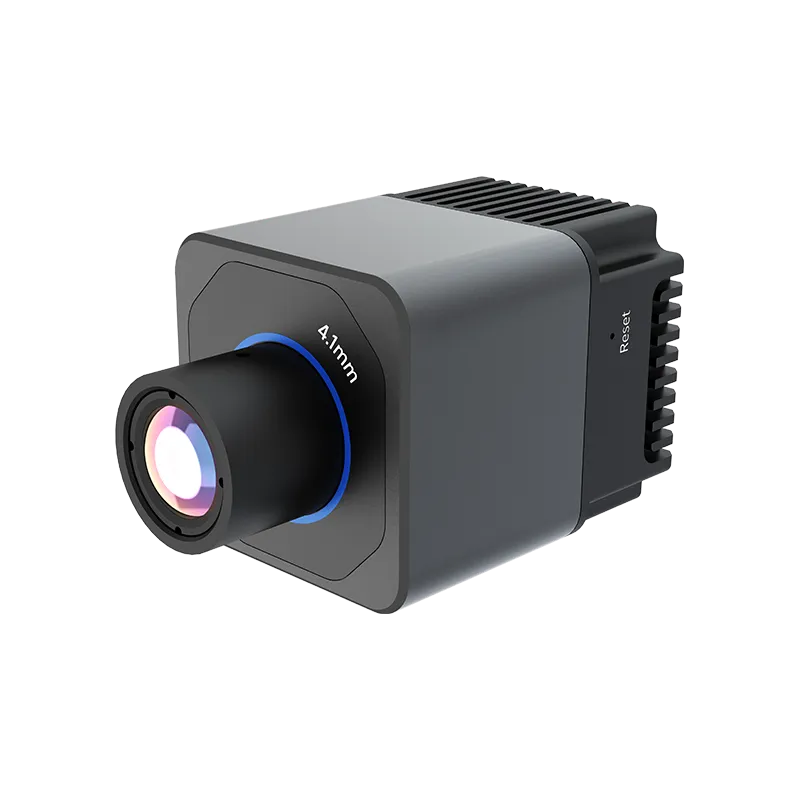
The Verytek TN460U is a great choice for monitoring. It uses a special uncooled infrared detector. You get a clear thermal image with 640×512 pixels. The camera measures temperatures from 0°C to 2000°C. You can trust it for accurate monitoring in tough places.
Features for Extreme Environments
You need a camera that works in hard conditions. Ultra-high temperature thermal cameras have features for harsh places. The Verytek TN460U is small and light. You can install it easily in many factories. It has air-cooled or water-cooled shells. These keep the camera safe from heat.
Here is a table that shows important features for extreme environments:
Feature | Description |
|---|---|
HIGH-TEMPERATURE | Operates in a range of 600 to 1800 °C / 1112 to 3272 °F. |
Highly accurate temperature reading | Calibration ensures accuracy of better than +/- 1% across the thermal image. |
Reliable & safe system operation | Designed for harsh conditions with auto-retraction systems to prevent overheating. |
Cooling options | Water cooling for high temperatures; air cooling for moderate heat levels to maintain internal temperature. |
Ultra high thermal sensitivity | Detects small temperature differences, better than most competitors. |
Extremely reliable mechanical lock | Keeps the camera working in tough conditions. |
Long-term stable shutterless operation | Allows you to monitor without interruption and increases system life. |
You also get features that make monitoring more steady. The TN460U gives image and temperature data at 25Hz. You can measure many points, lines, and areas at once. You can set alarms for temperature problems. The camera uses open network protocols. You can connect it to your systems and add new features.
You can trust the TN460U for steady and accurate monitoring. Its strong design and smart features help you keep your work safe and running well, even in tough places.
Thermal Camera Solutions for Manufacturing Monitoring
Real-Time Hazard Detection
You must keep your factory safe all the time. Real-time hazard detection helps you find problems early. Advanced thermal camera solutions let you watch your factory without stopping. You can see temperature changes right away. You do not need to wait for a problem to get worse.
Watching machines all the time lowers accident risks.
Finding heat problems early stops bigger issues.
AI technology helps spot dangers and lets people act fast. This lowers the chance of overheating and fires.
You can use real-time monitoring to check every step. This helps you stop fires and overheating. You can fix things quickly when you see trouble. Your team stays safe and your machines keep working. You also have less downtime and keep making products.
Precision Measurement and Alarms
You need good data to make smart choices in factories. The Verytek TN460U gives you many ways to measure and set alarms. You can watch many spots at once. You can set alarms for high temperatures. If something gets too hot, you get a warning fast.
Measuring many points shows how heat moves in your process. This helps you see how heat changes your work. Studies say checking many spots gives better info about your process. You can use this data to make your factory safer and better.
Isotherm settings let you mark hot areas. You can see which parts get too hot. This helps you fix things before they break. Temperature alarms give you alerts right away. You do not need to watch the screen all day. The system tells you if something is wrong.
Here is a table that shows how TN460U features help your factory:
Feature | Description |
|---|---|
Temperature Range | 0~2000°C |
Real-time Data Output | 25Hz image and data output |
Detector | 12μm FPA detector |
Design | Compact and rugged design |
Housing | Optional water/air-cooled housing |
Integration | Open protocol for easy system integration |
These features help keep your factory safe. You get better tracking and less downtime. You also work faster because you fix problems before they stop your line.
Preventing Equipment Failure
You want your machines to work all the time. If machines break, you lose money and time. Thermal camera solutions help you stop breakdowns. You can watch your machines and find problems early.
Here is a table that shows how thermal cameras help:
Equipment Type | Failure Prevention Rate | Maintenance Cost Reduction |
|---|---|---|
Electrical Systems | 85-90% | 25-40% |
Mechanical Equipment | 70-80% | N/A |
Overall Impact | N/A | N/A |
You can save a lot of money with these tools:
Preventive maintenance can cut costs by 30% to 40%.
Keeping a maintenance program saves you:
10 times what you spend
25% to 30% less on repairs
70% to 75% fewer breakdowns
35% to 45% less downtime
20% to 25% more production
You get more products and less downtime. You also spend less on repairs. You can use real-time monitoring to keep machines working. This helps you get the most from your equipment.
Using advanced monitoring makes your process better and faster. You find problems sooner and fix them before they cost a lot. You can trust your results because you use good data.
Here is a table that shows how these solutions help:
Feature | Benefit |
|---|---|
Increased throughput and efficiency | Enhances overall process performance |
Ensures products are manufactured to specifications | Improves product quality |
Continuous monitoring of site and equipment | Enhances safety and reliability |
You can use these tools to track your factory and products. You get better data and can watch everything closely. This helps your factory run safely and smoothly.
Applications in Manufacturing
Steel and Metallurgy
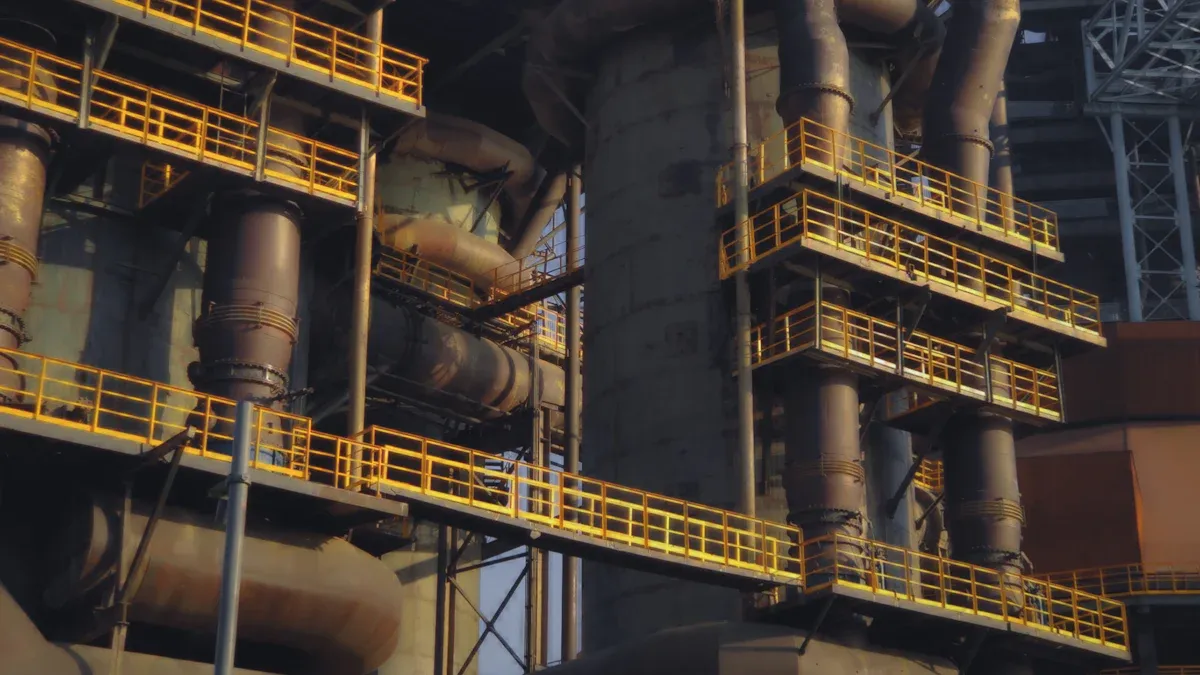
Steel and metallurgy plants get very hot. Ultra-high temperature thermal cameras help keep things safe and working well. You can use these cameras to watch ladles and torpedoes all the time. This helps you find hot spots before they are dangerous. Systems like CIRA track equipment by themselves. This means workers do not have to go into risky places. Finding hot spots early lets you plan repairs and stop big problems. You can pick different lenses for what you need to see. Cooling shells, like air-cooled or water-cooled, protect the camera in tough places. These features let you use the camera anywhere in your steel plant.
Power Generation
Power plants must keep machines running all the time. Thermal cameras help you find problems before things break. You can use them to check for fire risks and see temperature changes in electrical parts. This keeps repair costs low and makes power delivery better. You can use thermal cameras for fire safety in important spots. They help you find hot or cold spots in parts and wires. You can do maintenance before things break and avoid long repairs. This makes your machines work better and last longer. You can also find problems like rust on switches, hot or loose wires, and bad insulators. The camera’s design lets you put it in many places, even if space is small or it is very hot.
Chemical Processing
Chemical plants need strong safety systems. Ultra-high temperature thermal cameras help keep workers safe by finding heat problems from far away. This lowers the chance of accidents. If you find problems early, you can fix things before they break. This means less downtime. Using cameras that meet safety rules helps you follow laws and avoid fines. You can choose the right lens and cooling shell for your plant. This lets you use the camera in many parts of your plant, even in the hardest areas.
Implementing Monitoring Solutions
Selecting the Right Camera
You have to pick the best camera for your system. The right camera gives you clear pictures and correct temperature numbers. Check the table below to see what is important when choosing an ultra-high temperature thermal camera:
Criteria | Description |
|---|---|
Resolution | Higher sensor resolution gives sharper pictures and better measurements. |
Temperature range | Cameras can measure from -20°C to 1,700°C, which changes what jobs they can do. |
Sensitivity | A lower milliKelvin (mK) number means you can see smaller temperature changes. |
Optical magnification | Magnification makes the thermal image bigger or smaller for your needs. |
Accuracy | Most thermal cameras are accurate within ±2°C (3.6°F) or even better. |
Emissivity | You can change emissivity settings for different materials. |
Focus modes | Adjustable focus helps you see thermal emissions at many distances. |
Video output | Real-time thermal images help you watch things right away. |
Choose a camera that fits your work and matches your monitoring needs. Make sure it works with your other systems.
System Integration
You want all your monitoring systems to work together. Good integration lets you collect data automatically and makes your process better. Follow these steps for the best results:
Find the most important things and places to monitor.
Set up normal thermal patterns for your machines.
Teach your team how to use thermal imaging and read the data.
Connect your thermal cameras to your scada systems for better data study.
Calibrate and check your equipment often to keep it working right.
Using scada integration puts all your monitoring data in one spot. This helps you find problems faster and plan repairs before things break. When your systems are connected, you get alerts quickly and have more control.
Tip: Always check your network and power before adding new monitoring systems. Tough places can hurt your equipment, so plan to protect it.
Training and Maintenance
You need to teach your team how to use monitoring systems. Show them how infrared technology works, how to collect and report data, and how to use the camera. Give training at different levels, like level 1 and level 2 thermal imaging classes.
Show how to find safety problems and fix infrared issues.
Teach how to read data and use the camera in real life.
Regular maintenance keeps your monitoring systems working well. Check your equipment often. Fast action on thermal problems can stop things from breaking. Use predictive maintenance to find issues early and save money on repairs. Plan regular thermal imaging checks to watch equipment temperature over time. This helps you have less downtime and makes your systems last longer.
Note: Monitoring with thermal imaging helps you find hot and cold spots. If you find problems early, you can fix them before they get worse.
You can fix big monitoring problems in factories with ultra-high temperature thermal cameras like the Verytek TN460U. These cameras work well, even when it is very hot. They help you keep everyone safe and make your work more exact. Your machines keep running without stopping.
You can watch things as they happen and find problems early.
You get clear pictures and good data to help you choose what to do.
You follow safety rules and stop expensive shutdowns.
Advancement Type | Description |
|---|---|
AI-powered thermal analysis | Makes checking and studying heat more correct. |
Real-time monitoring | Helps you find trouble as soon as it starts. |
Makes checking things faster and easier. |
Start using better monitoring now to keep your workers and your company safe.
FAQ
What is an ultra-high temperature thermal camera?
An ultra-high temperature thermal camera measures heat without touching things. It shows a picture that uses colors for hot and cold spots. You can see these spots right away.
How does a thermal camera improve safety in factories?
A thermal camera helps you find dangers fast. It gives you alerts if something gets too hot. You can fix problems before someone gets hurt.
Can you use the Verytek TN460U in different industries?
You can use the Verytek TN460U in many places. It works in steel plants, power stations, and chemical factories. You can choose different lenses and cooling shells for each job.
What maintenance does a thermal camera need?
You should clean the lens often to keep it clear. Check the camera for dust or damage. Update the software when there is a new version. Doing these things helps your camera last longer.
How do you set up temperature alarms?
You pick a temperature limit for the camera. If something gets too hot, the camera sends a warning. This helps protect your machines and workers.
See Also
The Importance of Thermal Imaging Cameras in 2025
Utilizing Thermal Imaging Cameras for 2025 Search and Rescue
Vanadium Oxide Thermal Imaging Cameras for Effective Rescue