
You can make fire safety better by using UAVs with thermal imaging cameras. These cameras let you find heat fast, even if there is smoke or it is dark. Picking the right thermal camera for fire detection gives you good results. You should check for strong system compatibility and proven reliability before starting. Advanced solutions like the VN2 series help you in real-life situations.
Key Takeaways
UAVs with thermal cameras find fire hotspots fast. They work well in smoke or darkness. This helps keep people safe from fires.
Picking the right thermal camera is very important. You should look at its resolution. Check its thermal sensitivity. Make sure it works with your UAV.
You need to calibrate thermal cameras often. This helps them give correct temperature readings. It makes it easier to spot fires early.
Setting up and taking care of thermal cameras is important. It makes them work better and more reliably in rescue missions.
Advanced thermal imaging, like the VN2 series, gives clear pictures. It helps people make smart choices when fighting fires.
Integration Steps and Benefits
How UAVs Use Thermal Imaging Cameras
UAVs with thermal imaging cameras help find fire hotspots fast. These cameras can sense heat, even if there is smoke or it is dark. This helps you spot dangers that normal cameras cannot see. When a UAV flies over a fire, it collects heat data. The system shows you the hottest spots right away. You can use this information to make quick choices.
Here is a table that explains how UAVs use thermal imaging cameras for fire detection:
Capability | Description |
|---|---|
Sensing thermal signatures | UAVs find heat through smoke and darkness to spot hidden hotspots. |
Reasoning about environmental context | The system looks at the area to learn about materials and risks. |
Predicting re-ignition | It guesses if a fire might start again by watching heat changes. |
Communication | Results are shared with other AI agents for better teamwork. |
Learning spatial heat patterns | The system gets smarter by learning heat patterns in each place. |
These features help make firefighting missions safer and better. The UAV learns from every flight and improves at finding heat. This helps protect people and property.
Key Advantages for Firefighting
Using UAVs with thermal imaging gives you many benefits for fighting fires. You can find hotspots very accurately, even if smoke or trees block your view. This technology helps you spot small fires before they get big. You can scan large areas fast and notice temperature changes that mean danger. This speed lets you send help to the right spot quickly.
You can find wildfires early by seeing heat in faraway places.
You can watch how a fire moves and how strong it is in real time, which helps you plan better and safer actions.
You can find hidden embers and hotspots that could start a fire again.
You can fly through thick smoke without getting lost.
You can spot building dangers before going inside a burning place.
You can find people or pets who need help in risky areas.
You can search faster and help save lives by finding the hottest parts of a fire quickly.
Thermal imaging also helps you know how bad a fire is before you go in. You can see weak spots in buildings and stay away from places that might fall down. You can pick the safest ways out for firefighters and people. These benefits make fighting fires easier and keep everyone safer.
Thermal Camera for Fire Detection Selection
Compatibility with UAV Platforms
You must make sure your thermal camera fits your UAV. The right camera helps you get clear images and find fires. When picking a camera, think about these things:
Resolution gives you sharp images. High resolution helps you see small fire spots and check temperatures.
Thermal sensitivity helps you notice tiny temperature changes. This is important for finding hidden heat during fire detection.
Weight matters because drones can only carry so much. A lighter camera lets your drone fly longer and move better.
Detection range and target recognition help you spot fires far away. Good images help you tell fire from other hot things.
Frame rate and latency change how fast you see results. You want smooth video with little delay so you can act fast.
Environmental operating range keeps your camera working in hot or cold weather. You need steady performance in all conditions.
Tip: Always check your drone’s payload limit before picking a thermal camera. This helps you avoid flight problems and keeps your images clear.
Technical Features and SWaP Considerations
When looking for a thermal camera, focus on features that make it work better. The VN2 640/384/256 LWIR Thermal Camera Module from Verytek is a strong choice for fire detection. Here is a table with its main features:
Feature | Description |
|---|---|
Resolution | You can pick 640×512, 384×288, or 256×192 for detailed images. |
Architecture | Shutter-less design gives you smooth, steady imaging. |
Image Processing | Smart infrared tools make images clear and even. |
Integration | Many digital ports let you connect to lots of drone systems. |
Performance | Works well in many drones for reliable fire detection. |
SWaP means Size, Weight, and Power. It is very important for drones. You want a camera that is small and light. This helps your drone fly longer and cover more area. Low power use means your system works well and saves battery. The VN2 series is compact and uses power wisely.
You also need to think about how your camera connects to your drone. Digital ports make setup easy. You can use smart controls like RS485 for feedback. Flexible setups let you use your system for different jobs. Thermal cameras work in darkness and bad weather, so you get good data every time.
Verytek’s top R&D team brings new ideas to fire detection. Their smart building makes sure every camera meets high standards. The team’s skills in car electronics and outdoor gear help them make tough, smart products. You get their energy and new ideas when you pick the VN2 series. Verytek keeps making new products, so you get the latest technology for drones and other uses.
Note: Picking a thermal camera from a trusted company like Verytek means you get good results and strong help for your drone missions.
Thermal Imaging Camera Installation
Mounting and Setup
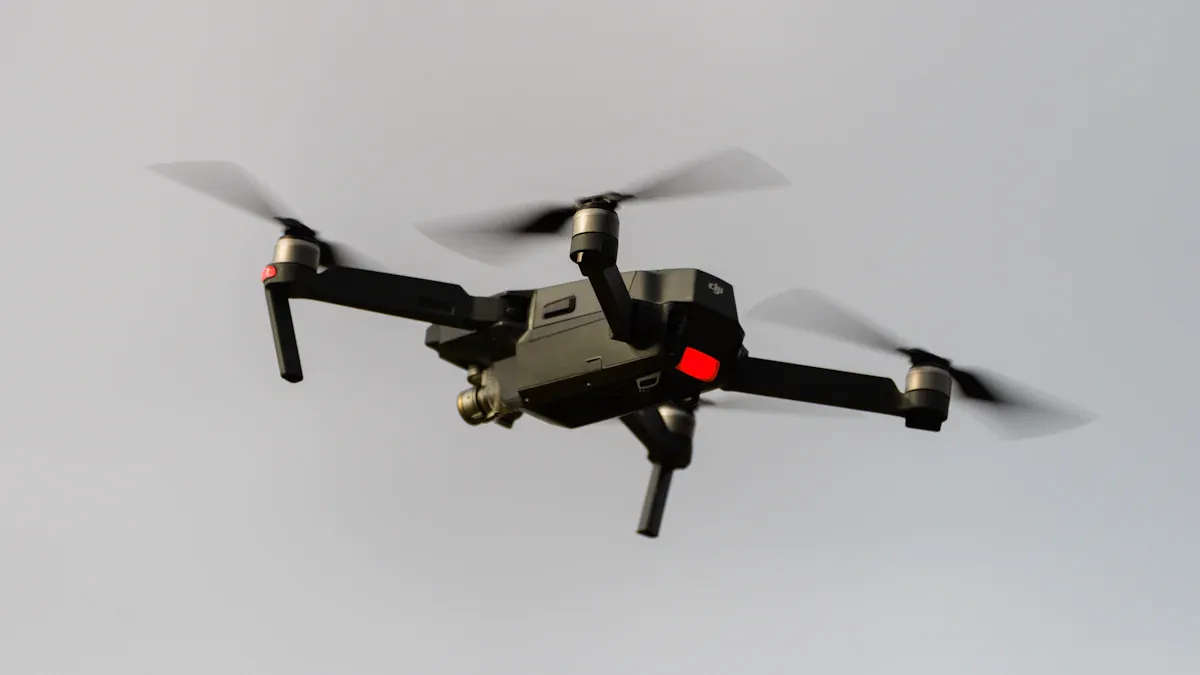
You must attach your thermal imaging camera tightly to your UAV. This helps you get good fire detection results. Pick a strong spot on the UAV for mounting. The camera should not shake when the UAV flies. Point the camera at the area you want to check. Use vibration dampers to stop shaking and keep pictures clear. Turn on the camera and let it rest on the ground. This helps the camera get used to the temperature. It also gets the sensor ready to measure heat the right way.
Some problems can happen during setup. You might see vignetting, which means the sensor shows different temperatures in different spots. Vignetting can happen if the aperture blocks heat, or if the angle or distance changes how much heat gets in. It can also happen if the sensor and lens do not line up right. The lens can bend light and cause more problems. You can fix these by making sure the camera is lined up and the lens is clean before flying.
Add extra flight lines at the start of your mission. This helps the camera get used to the air and wind. The camera works better when it adjusts to the weather. Always read the manufacturer’s rules for mounting and setup. A good setup helps you get the right thermal images for fire detection.
Tip: Make a checklist before each flight. Check that your thermal imaging camera is attached right and ready to use.
Calibration for Reliable Results
Calibration makes your thermal imaging camera work well for fire detection. You need to calibrate the camera often to keep the temperature readings right. Calibration is not just a tech step. It is very important for good thermal imaging. When you calibrate, you can act early using real temperature data.
You should check calibration often to keep your data good. Most experts say to calibrate once a year for most uses. Calibrate more often when you first start flying. The repeated empirical line method updates the camera with each new temperature check. This method helps stop temperature drift and makes the camera more accurate. You can get a mean absolute error of 1.5°C and a root mean square error of 2.0°C. This is better than the factory settings.
Getting the right surface temperature can still be hard, even with calibration. The maker’s numbers for accuracy may be different, so you should check your results a lot. Calibration helps you make smart choices during fire detection.
Calibration Step | Purpose |
|---|---|
Ground stabilization | Stops temperature drift |
Empirical line method | Makes calibration more accurate |
Annual calibration | Keeps the camera working well for a long time |
Frequent checks | Makes sure the camera works the same each time |
Verytek’s skilled R&D team and factory help make great thermal imaging cameras. Their knowledge in car electronics and outdoor gear helps them build strong products for UAV fire detection.
Thermal Imaging Cameras Data Analysis
Processing Thermal Data
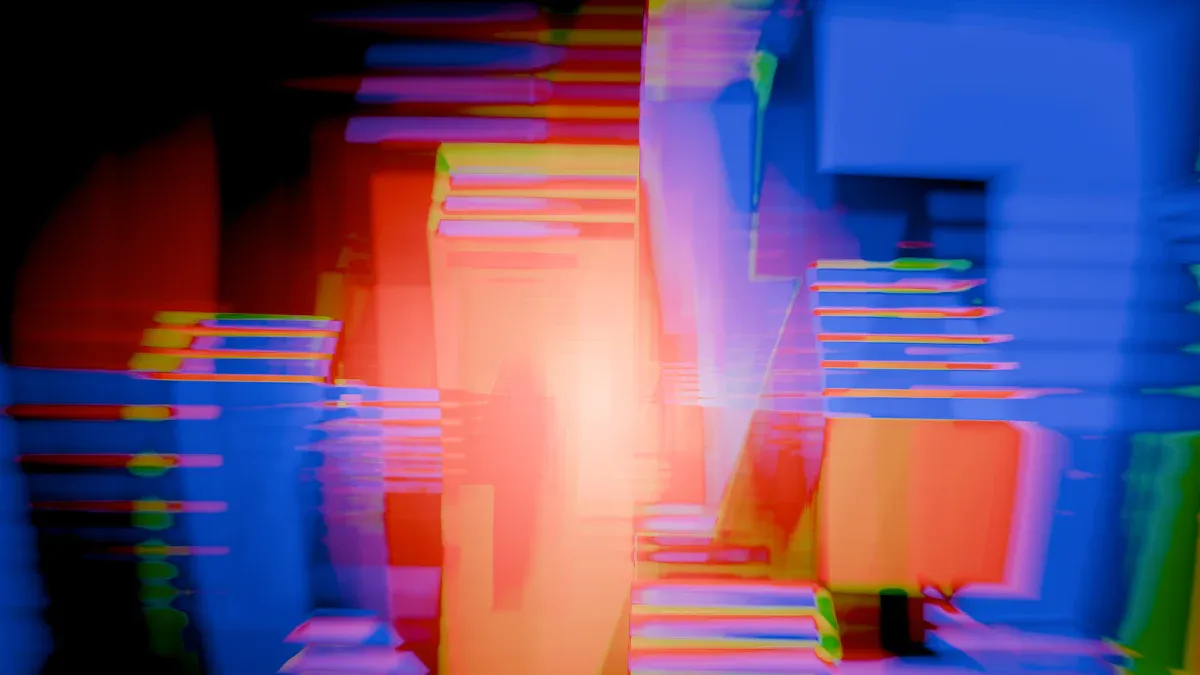
You need to look at the thermal data from your UAV. The camera takes temperature readings from the ground and things below. Software changes these readings into easy-to-see pictures. The software shows hot spots by making them stand out. This helps you find places where fires might start. You can set a temperature limit to mark possible fire spots. This helps you find fires early and stop them from getting bigger.
Many systems use colors to show how hot things are. Red or white usually means something is very hot. You can use these colors to find the most dangerous places. The VN2 series uses smart image tools to give you clear pictures, even if there is smoke or it is dark. You get new updates fast, so you can act quickly if things change.
Tip: Always check your data for mistakes. Clean data helps you find fires the right way and keeps your team safe.
Interpreting Fire Detection Results
You need to know how to read thermal images to make good choices. Look for shapes or spots that show heat is building up. Use this table to help you with your work:
Feature | Recommendation | Why It Matters |
|---|---|---|
Resolution | Detailed images help you make better decisions. | |
Thermal Sensitivity | NETD <50 mK | Finds small temperature changes for hot spot detection. |
Image Clarity in Smoke/Heat | Essential for low-visibility conditions | Lets you see clearly when smoke blocks your view. |
You should watch out for mistakes when finding fires:
False positives happen when something hot, like a car or metal, looks like a fire.
False negatives mean you miss real fires because the camera does not see the heat.
False positives can waste time and resources.
False negatives can let fires grow without warning.
You can get better results by checking your images often and using smart software. The VN2 series helps you get good results with its strong research and new technology. Verytek’s team uses their skills in car electronics and outdoor gear to give you the best tools. Their new ideas help you find fires early and keep your area safe.
UAV Firefighting Best Practices
Flight Planning and Environmental Challenges
You need a good plan before sending a UAV into a fire. Planning helps you cover more area and keeps your team safe. Thermal drones can watch fires all the time. These drones give you live updates about fire movement and new fires. You can send them out fast and fly low for better rescue results.
Here are some ways to plan your rescue flights:
Strategy | Description |
|---|---|
Real-time situational awareness | Get live updates on fire movement and spot new dangers during rescue. |
Escape route planning | Plan safe ways out for your UAV during risky rescue missions. |
Integration of technologies | Use smart tools to improve fire detection and rescue risk checks. |
Weather and smoke can change how well your UAV works. Smoke can block your view and make it hard for the camera to see heat. Wind can shake the UAV and make rescue data less clear. You should know how these things can affect your rescue mission.
Environmental Factor | Effect on Thermal Imaging |
|---|---|
Smoke | Makes it harder to see and lowers rescue camera performance. |
Wind | Shakes the UAV and can make rescue data less clear. |
Tip: Fly your UAV lower when there is a lot of smoke. This helps you get better rescue pictures and find people faster.
Thermal imaging can still help you see through smoke and fog, but the pictures may not be as clear. Lower resolution makes it harder to see things during rescue. Always check your rescue data for mistakes before making choices.
Maintenance and Reliability
You must keep your thermal imaging camera in good shape for every rescue. Clean the lens and body after each flight so your pictures are not blurry. Look for cracks or damage before and after every rescue. Make sure the battery is full so your UAV can finish the rescue.
Follow these steps to keep your rescue camera working well:
Clean the lens and body after every rescue flight.
Check for cracks or damage before and after each rescue.
Check the battery before every rescue mission.
Test the camera every week to make sure it works.
Store your rescue camera in a safe, dry place.
Some problems can happen during rescue missions. Thick smoke can make it hard for the camera to see heat. Shiny things can confuse the camera during rescue. The camera cannot see through thick walls, so you might miss hidden dangers. The range is short, so you need to fly close for clear pictures. Battery life can also limit how long you can search.
Note: Verytek’s advanced R&D team works hard to make strong rescue cameras. Their skills in car electronics and outdoor gear help you get the best rescue tools for search and rescue.
You can make fire detection better by doing a few things. First, train the people who use the UAVs. Keep the equipment in good shape with regular checks. Talk clearly with your team to act fast when there is a fire. Put the thermal camera on the UAV the right way and set it up for clear pictures. Look at the data quickly so you can find fire dangers early. Pick advanced modules like the VN2 series for good fire detection. Verytek’s team always thinks of new ways to help with fire safety. You can count on their technology for every fire job. If you follow these steps, you will find fires faster and keep people safe.
FAQ
What makes thermal imaging cameras important for fire detection with UAVs?
Thermal imaging cameras let you see heat that normal cameras miss. You can find fire hotspots even if there is smoke or it is dark. These cameras give you quick and clear thermal data. This means you can stay safer and act faster during fire emergencies.
How do you choose the best thermal imaging cameras for your UAV?
You need to pick a camera that fits your UAV’s size and weight. Choose cameras with high thermal sensitivity and good resolution. Make sure the camera connects easily to your drone. A reliable camera helps you find fires fast.
Can thermal imaging cameras work in bad weather or at night?
Thermal imaging cameras work well in the dark and through smoke. You can use them when it is foggy or raining. These cameras sense thermal energy, not just what you see with your eyes. You get clear thermal images even when normal cameras cannot see.
How do you keep thermal imaging cameras working well on your UAV?
You should clean the lens and check for damage after each flight. Test the camera before every mission. Store it in a safe place. Regular checks help you get good thermal data and keep fire detection working right.
Why should you choose Verytek’s thermal imaging cameras for fire detection?
Verytek’s thermal imaging cameras use advanced thermal technology. You get strong performance and clear thermal images. The R&D team brings new ideas from car electronics and outdoor gear. You can trust these cameras for reliable fire detection.
See Also
Utilizing Thermal Imaging Cameras for Rescue Operations in 2025
The Importance of Thermal Imaging Cameras in 2025
Vanadium Oxide Thermal Imaging Cameras for Effective Rescues
Best AI Video Systems for Vehicles Evaluated in 2025
Reliable CarPlay Adapters for RAV4 in Harsh Canadian Winters