
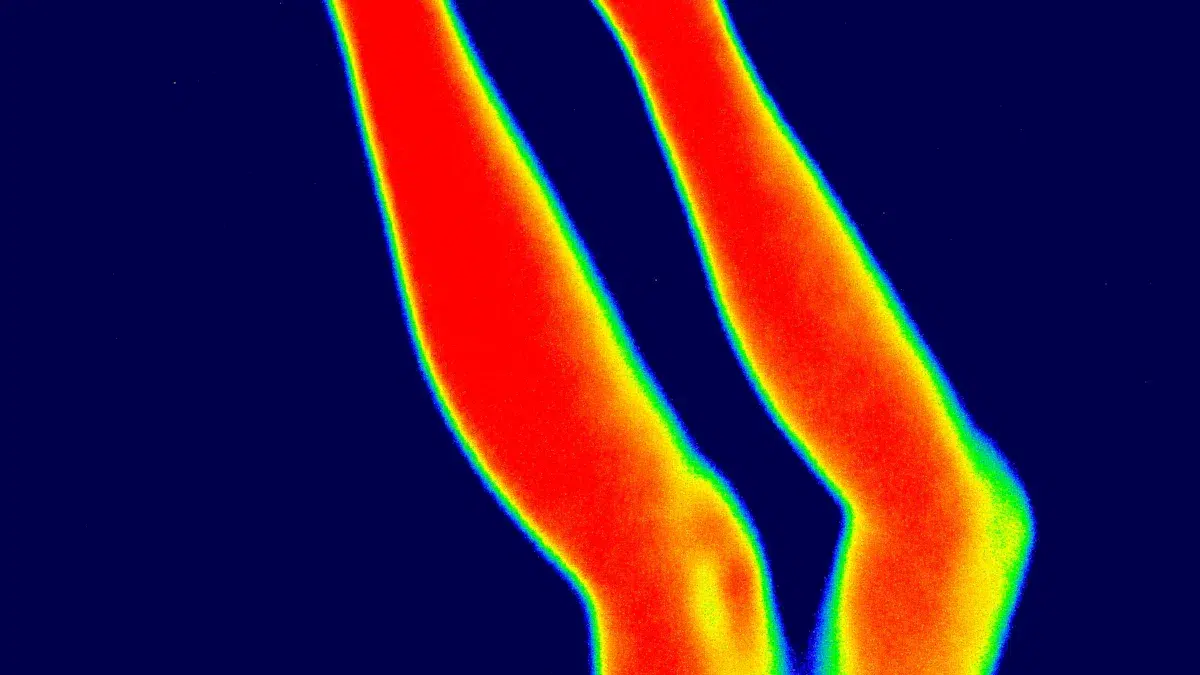
A miniature thermal camera mipi helps you find heat in small spaces. You use this device to make heat maps by measuring infrared energy. It works even when there is no light around. The MIPI interface lets you move thermal data fast. It connects right to new processors. You get fast image processing and can check temperatures without touching anything. It is easy to add to smart systems. The miniature thermal camera mipi fits in embedded systems, security setups, and mobile devices. More people want real-time image analysis, so the market is growing. The miniature thermal camera mipi is special because it is small, works well, and moves data quickly.
Key Takeaways
Miniature thermal cameras with MIPI interfaces are small and light. They are easy to add to things like smartphones and drones. The MIPI interface lets data move quickly. This helps the camera show thermal images right away. It also uses power well, so batteries last longer. These cameras give clear pictures and quick frame rates. This makes them good for jobs that need fast temperature checks. They can connect straight to processors like NVIDIA Jetson. This makes setup easier and uses less space. You do not need many extra parts. Miniature thermal cameras can be used in many fields. They work in mobile devices, cars, and factories.
Miniature Thermal Camera MIPI: What It Is

A miniature thermal camera with mipi interface is a strong tool in a small size. You can hold it in your hand. It weighs about 8 grams. Its tiny size lets you put it in small devices. These devices include smartphones, drones, and smart glasses. You do not need to worry about extra weight.
Key Features of Miniature Thermal Cameras
There are many good things about using a miniature thermal camera with mipi interface:
Ultra-compact design: The camera is very small and light. You can add it to almost any device.
Direct digital connection: The mipi interface connects the camera right to popular system-on-chip platforms like NVIDIA Jetson or Qualcomm. You do not need extra circuits.
Low power use: The camera uses little energy. Your device lasts longer on one battery charge.
Fast real-time processing: The mipi interface lets data move quickly. You see heat maps and temperature readings fast.
Easy integration: You can add the camera to embedded systems, mobile devices, or industrial tools easily.
Tip: If you want to make a smart device that sees heat, pick a miniature thermal camera with mipi interface. You will save space, power, and time.
Role of MIPI Interface in Thermal Imaging
The mipi interface stands for mobile industry processor interface. You use this standard to connect cameras and sensors to processors. The mipi interface makes your camera different from older ones. You get a direct digital link to the main chip in your device. This means you do not need extra parts to change the signal.
When you use the mipi interface, you get these benefits:
High-speed data transfer: The mipi interface moves thermal image data fast. You get smooth real-time processing.
Less wiring: The mipi interface uses fewer wires than old connections. Your device stays neat and reliable.
Better battery life: The mipi interface uses less power. Your mobile device can run longer.
Easy connection to SoCs: You can connect the camera to platforms like NVIDIA Jetson or Qualcomm easily.
The mobile industry processor interface is now the best choice for new thermal cameras. You get better performance, lower power use, and an easy way to add thermal vision to your product.
How MIPI Interface Works in Thermal Cameras
Thermal Data Capture and Processing
A miniature thermal camera helps you see heat around you. The camera has an image sensor that finds infrared energy. This energy comes from things and surfaces. The sensor changes the infrared signals into digital data. You get a thermal image that shows hot and cold spots.
The mipi interface links the image sensor to your device’s processor. You do not need extra parts. The mipi interface sends thermal data quickly and keeps it clear. You can look at the data right away. Your device shows heat maps and temperature numbers with no wait.
The mipi interface helps save power. It uses in-band interrupts, so your system wakes up only when needed. This means you do not waste energy. The mipi interface moves data fast but still uses little power. You can use the camera in phones, drones, or smart glasses. The camera is light, about 8 grams. You can put it in small devices that need to stay light.
Note: The mipi interface makes it simple to connect your thermal camera to platforms like NVIDIA Jetson or Qualcomm. You get a direct digital link and less wiring.
High-Speed Data Transmission with MIPI
The mipi interface lets you send data very fast. You can move lots of thermal images quickly. This is important for real-time jobs. You need smooth and quick processing for things like thermal checks or smart security.
Here is a table that shows the main features of high-speed data transmission with the mipi interface:
Feature | Description |
|---|---|
Data Rate | Up to 10 Gbps across four data lanes, surpassing USB 3.0’s 3.6 Gbps. |
High-Resolution Support | Capable of supporting 8K video at 60 fps, ideal for high-speed imaging. |
Low Latency | Optimized data packet structures minimize delays, suitable for real-time applications. |
Advanced Compression | Techniques like DPCM reduce bandwidth while maintaining image quality. |
You get many good things from using the mipi interface:
High bandwidth lets you send thermal images fast. You can see clear pictures with no lag.
Low latency means you get real-time results. You can watch heat changes as they happen.
Advanced compression keeps image quality high and saves space.
The mipi interface uses fewer wires than old ways. Your device stays neat and works well. You can make smaller and lighter products. You do not have to worry about heavy or messy wires. The mipi interface also saves energy. Your device can last longer on one battery.
Tip: If you want to make a smart device with thermal imaging, pick a miniature thermal camera with mipi interface. You get fast data, low power use, and easy setup.
You can use the mipi interface in many things. It works well in phones, drones, and tools for work. You get fast thermal images and easy connection to your processor. The mipi interface helps you build products that are small, strong, and work well.
Benefits of Miniature Thermal Camera MIPI
Enhanced Resolution and Frame Rates
You get clearer pictures and faster updates with mipi csi-2. The mobile industry processor interface protocol moves data quickly. You can record Full HD 1080p video with sharp details. Mipi cameras can reach up to 120 frames per second at 1080p. Some advanced infrared sensors go up to 240 or even 480 frames per second. You see live thermal images with smooth changes. High-performance infrared sensors give crisp results for thermal imaging. You can spot temperature changes fast and accurately.
Tip: High-resolution pictures help you find small heat differences. Fast frame rates make it easy to follow moving things.
Integration and Scalability
You can connect mipi cameras right to popular SoC platforms like NVIDIA Jetson or Qualcomm. The mipi csi-2 interface cuts out extra circuits. You save space and weight, which is important for drones and handheld devices. The camera weighs about 8 grams. You can change your design with flexible data lanes. You pick from 1 to 4 lanes for your image needs. Low power use makes batteries last longer. Reliability features keep your image data safe. Versatility lets you use different image formats, from VGA to 8K.
Feature | Description |
|---|---|
High Bandwidth | Handles data rates up to 6 Gbps per lane for high-resolution imaging. |
Scalability | Lets you use 1 to 4 data lanes for flexible image setups. |
Low Power Consumption | Power-saving features help batteries last longer in mobile devices. |
Reliability | Error checks and fixes keep image data safe. |
Versatility | Works with many image formats and resolutions, including infrared. |
Industry Applications
You see mipi cameras in many areas. Mobile devices use FLIR One with a Lepton micro thermal camera for small thermal imaging jobs. Cars use mipi csi-2 for checking parts and HVAC systems. Factories use mipi cameras for maintenance. UAVs use light cameras for watching and scouting. These cameras are also in medical devices, factories, and vehicles.
Application Field | Example Use Case | Key Features |
|---|---|---|
Mobile | FLIR One with Lepton micro thermal camera | Small design, mipi csi-2, low power use |
Automotive | Checks for HVAC and car parts | Spotmeter for temperature, infrared image |
Industrial | Maintenance in factories | Low-resolution thermal imaging, reliable image checks |
UAVs | Watching and scouting | Lightweight, mobile, useful infrared image data |
Note: You should check things like vibration, extreme temperatures, dust, moisture, and EMI/RFI interference. Look for IP and IK ratings to make sure your mipi cameras can handle tough conditions. Long run times and vibration resistance are important for good image performance.
You get many benefits from a miniature thermal camera with MIPI interface.
You save space and weight with an 8g camera.
You connect straight to platforms like NVIDIA Jetson or Qualcomm.
You use less power, so your device lasts longer.
You see heat maps in real time with clear images.
If you want smart, fast, and easy thermal imaging, try this technology in your next project.
FAQ
What makes a miniature thermal camera with MIPI interface special?
This camera is very small and light. It weighs only about 8 grams. The MIPI interface connects right to processors like NVIDIA Jetson. You do not need extra parts or wires. This saves space in your device. It is great for drones and things you hold in your hand.
How does the MIPI interface help with power use?
The MIPI interface sends data in a smart way. Your device uses less energy and the battery lasts longer. This is helpful for drones and mobile devices that need to run a long time.
Can I connect the camera to my SoC without extra parts?
Yes, you can connect the camera right to your SoC. The MIPI interface does not need extra circuits. This makes it easy to add the camera. Your device stays light and simple.
What devices use miniature thermal cameras with MIPI interface?
You see these cameras in phones, drones, and smart glasses. They are also in tools for work. The small size and low power use make them good for mobile and small systems.
See Also
The Importance of Thermal Imaging Cameras in 2025
Vanadium Oxide Thermal Imaging Cameras for Emergency Rescues
Utilizing Thermal Imaging Cameras for Search and Rescue Efforts